Having an unusual pet might sound exciting. Imagine telling your friends you have a monkey, a sloth, or even a small crocodile at home. It certainly makes for an interesting conversation.
But owning an exotic animal is very different from keeping a dog or cat. Many wild animals have specialized diets, complicated social needs, unpredictable behavior, and medical requirements that ordinary households simply cannot meet. Some can also cause serious injuries or carry diseases that put people at risk.
While not every exotic animal is dangerous, some are particularly unsuitable for life in a typical home. Here are nine animals that are better left in professional wildlife facilities and their natural environments.
Chimpanzees
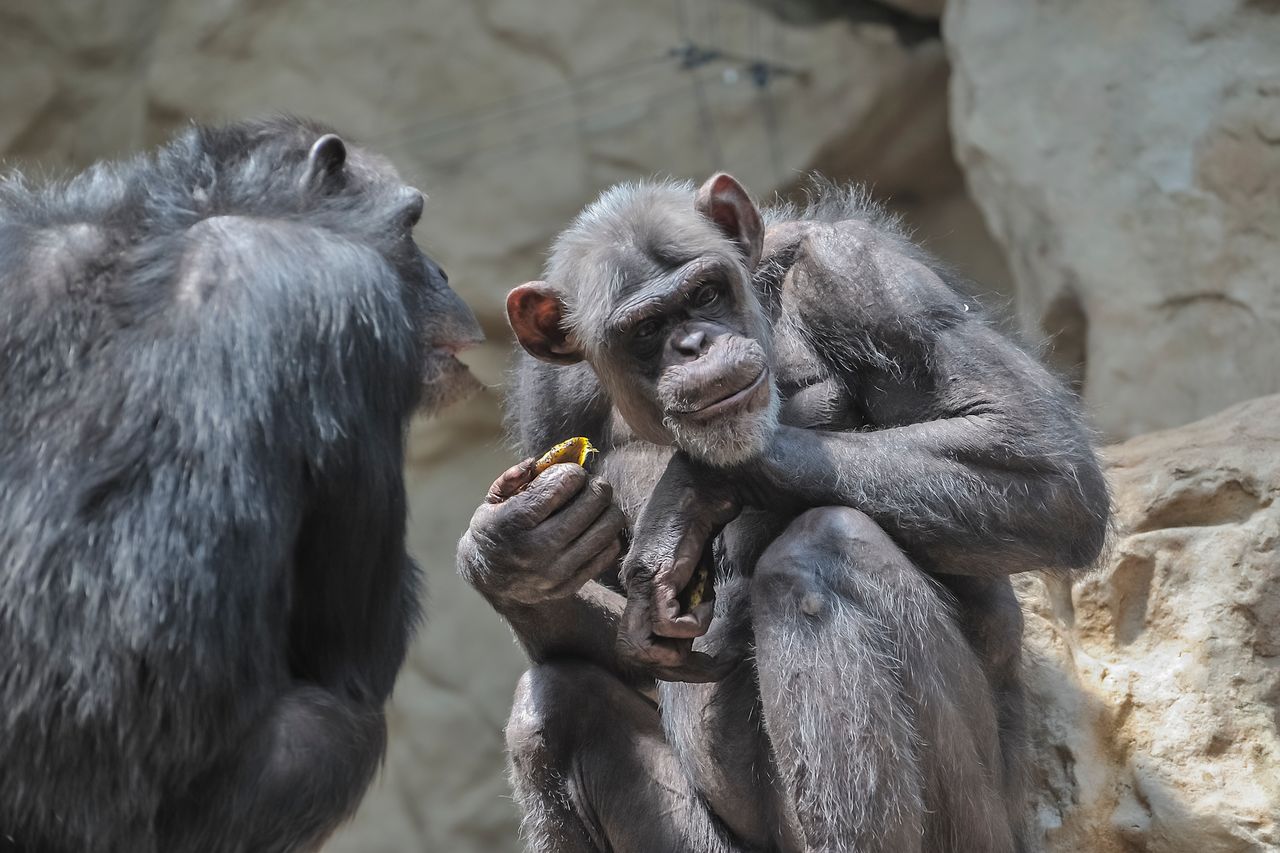
Chimpanzees might look entertaining because of their intelligence and humanlike behavior, but that is precisely why they are so challenging to keep. They are highly social animals that depend on relationships with other chimpanzees. Human companionship cannot replace living with their own species.
They also need plenty of space, climbing structures, mental stimulation, and opportunities to forage. Keeping one alone in a small enclosure can create serious welfare problems.
Safety is another concern. Chimpanzees are extremely strong, and their behavior can be unpredictable. The Centers for Disease Control and Prevention (CDC) identifies nonhuman primates as unsuitable for settings where direct human contact is possible.
There is also the commitment to consider. A 2021 study involving 1,390 chimpanzees estimated median life expectancy at 35.7 years for females and 30.1 years for males. That is potentially decades of specialized care.
Macaques
Macaques are another poor choice for household ownership, and their health risks make the situation particularly concerning.
These monkeys are intelligent, active, and socially complex. They need appropriate companions, climbing opportunities, enrichment, and experienced care. A household that provides only food and a cage cannot meet those needs.
Their biggest concern, however, is a virus known as B virus. Macaques are natural hosts of this virus, which can spread to humans through bites, scratches, and contact with infected material. Human infections are rare, but they can be severe or fatal.
According to the CDC, macaques can carry the virus without showing obvious signs of illness. That makes ordinary handling and close contact especially concerning.
Big Cats
Lions, tigers, and leopards might look beautiful and impressive, but they are not oversized house cats.
These animals have powerful bodies, natural hunting instincts, and specialized environmental needs. They require secure enclosures, carefully managed diets, veterinary attention, and trained professionals who understand their behavior.
Even young cubs can pose safety risks. Their size and strength increase as they mature, making raising one at home particularly unrealistic.
The United States also has important federal restrictions. The Big Cat Public Safety Act, enacted in December 2022, generally prohibits private possession and breeding of covered big cats, subject to limited exceptions. Eligible owners who already had certain animals faced a registration deadline in June 2023.
In other words, owning a tiger is not simply a matter of having enough backyard space.
Bears
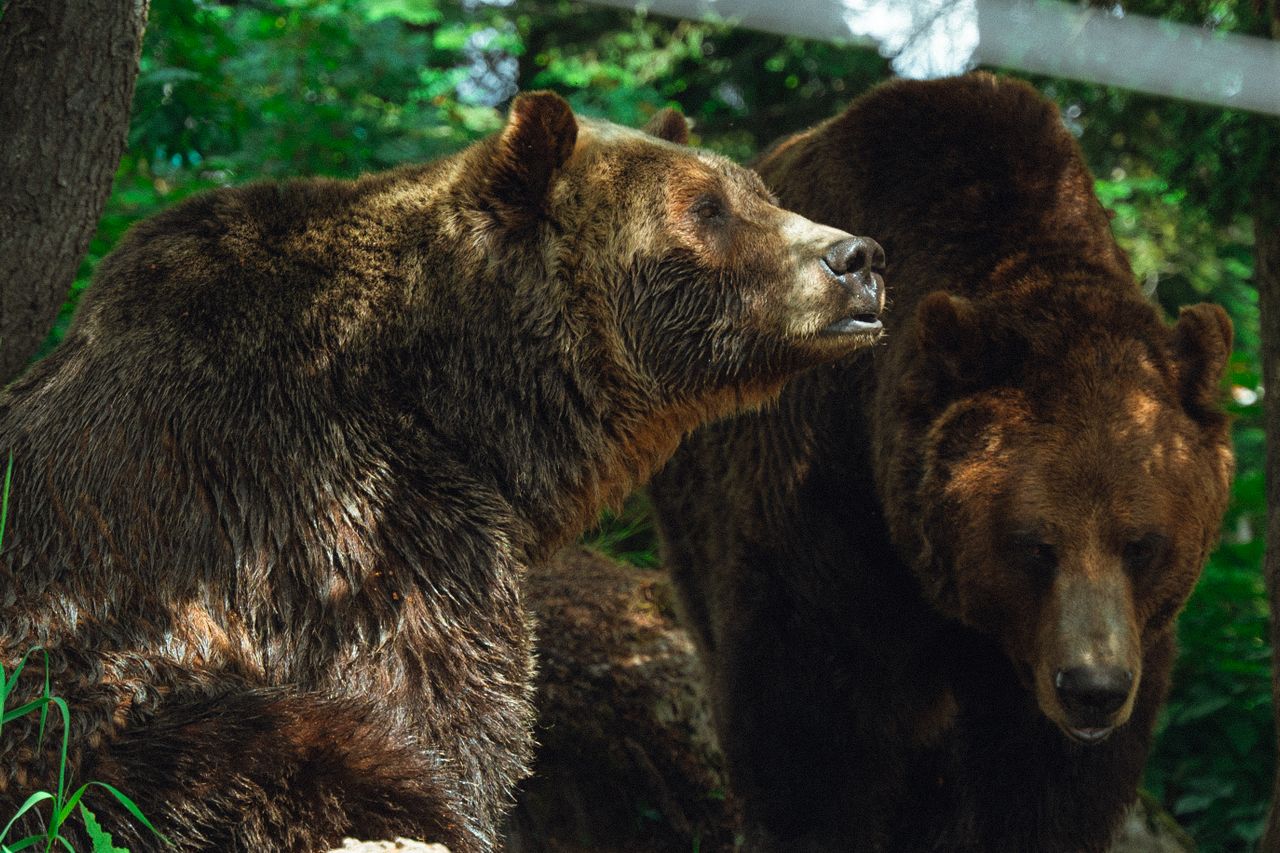
A bear cub might look adorable in photographs, but the adult animal is a completely different responsibility.
Bears are powerful wild animals with species-specific dietary, environmental, and behavioral requirements. They need substantial space, appropriate habitats, enrichment, and professional veterinary care.
Their strength also creates serious safety concerns. Even a bear that has been raised around people remains a wild animal. Its behavior can change as it matures, and familiar surroundings do not make it a domesticated pet.
The commitment can last for decades. Brown bears have recorded captive lifespans of up to 50 years, although this is an upper record rather than a typical expectation.
Florida, for example, classifies bears as Class I wildlife and prohibits keeping them as personal pets.
Crocodiles and Alligators
A baby crocodile might seem manageable when it fits in a tank. Unfortunately, the story doesn’t end there.
Crocodilians grow into powerful animals that need suitable aquatic environments, dry resting areas, secure barriers, and specialized care. Their housing requirements become increasingly difficult as they mature.
Their potential to cause fatal injuries makes them particularly unsuitable for ordinary households. Even experienced wildlife facilities must take extensive precautions when caring for them.
American alligators can live around 50 years in captivity, with exceptional individuals reaching considerably older ages.
Florida treats alligators as Class II wildlife, requiring permits, while most crocodile species fall under Class I restrictions that prohibit personal-pet ownership.
Venomous Snakes
Not every snake is dangerous, but keeping a medically significant venomous species at home creates risks most people aren’t equipped to handle.
A bite from certain venomous snakes can require immediate emergency treatment and access to the correct antivenom. Even routine activities, such as cleaning an enclosure or providing food, can create opportunities for accidental exposure.
A 2014 study examining nonnative venomous-snake exposures in the United States identified 258 cases involving at least 61 species between 2005 and 2011. About 70% of reported bites occurred in private residences, and 35% of cases received antivenom.
These figures do not represent every snake owner or all snakebites, but they demonstrate why specialist handling and emergency preparation matter.
Some states also impose strict licensing requirements. New York, for example, requires eligible venomous-reptile applicants to arrange access to appropriate antivenom.
Sloths
Sloths might seem like the perfect low-maintenance pet. They move slowly, spend much of their time hanging from branches, and generally avoid unnecessary activity.
But their relaxed appearance hides some very specific care requirements.
Two-toed sloths are primarily nocturnal and strongly adapted to life in trees. They need suitable climbing structures, carefully managed environmental conditions, and specialized feeding arrangements.
Temperature is particularly important. According to the MSD Veterinary Manual, sloths kept in conditions that are too cold can experience significantly slower digestion.
They also should not be handled constantly for entertainment. In the wild, they spend much of their time hanging and resting.
Their slow movements should never be confused with an ability to thrive in a small bedroom or ordinary household enclosure.
Capuchin Monkeys
Capuchin monkeys are small compared with many other primates, which makes them tempting to people who want an unusual companion.
However, their size does not make them easy pets.
Capuchins are active, intelligent, and highly social. They spend much of their time climbing, exploring, communicating, and finding food. They also need opportunities to interact with other capuchins.
A bored or isolated monkey may develop behavioral problems. Bites and scratches are also a concern, and even a relatively small monkey can cause serious injuries.
Their lifespan makes ownership a long-term commitment. Some capuchins can live more than 40 years in human care.
California prohibits monkeys as pets, while Florida requires a personal-possession permit and documented experience for capuchin ownership.
Kangaroos
Kangaroos are not predators, but that does not make them suitable household companions.
These animals are grazing herbivores with specialized movement, feeding, and social needs. They require adequate outdoor accommodation, appropriate forage, and experienced care.
Adult kangaroos can also become dangerous when frightened or threatened. Males may box and kick during conflicts, while both males and females can injure people when defending themselves.
According to the Queensland Government, serious aggression toward people is uncommon, but injuries can happen. Feeding wild kangaroos can also encourage them to approach people and become problematic when food is unavailable.
Their size, strength, and need for suitable outdoor space make ordinary household living arrangements a poor match.
The bottom line
Exotic animals can be fascinating, but fascination is not the same as being prepared to care for one. Many need specialized environments, professional veterinary support, social arrangements, and decades of commitment.
Some, such as hedgehogs and sugar gliders, can be responsibly kept under suitable conditions, while others, including big cats and bears, are clearly unsuitable for ordinary homes.
Before considering an unusual pet, check local wildlife laws and speak with an experienced exotic-animal veterinarian. Sometimes the kindest way to appreciate a wild animal is to leave it where its needs can be properly met.