In the greater Baltimore area, a bowl of sauerkraut is a regular part of the Thanksgiving table, set out beside the turkey. The Takeout, in a Nov. 16, 2025, roundup of regional Thanksgiving side dishes, ties the custom to German immigrants who arrived in the late 19th century.
That is the whole tradition in a sentence, and it is stranger and more specific than it sounds. The Takeout’s list says the sauerkraut is not served as a topping or a condiment but as a side dish of its own.

A Bowl on the Table, Not a Topping
Writer Brian Boone says in the article that sauerkraut is not a strange sight at Thanksgiving in greater Baltimore and that it is expected, even, to find a big bowl of it placed on the table. He describes it as entirely its own thing rather than something spooned over other foods.
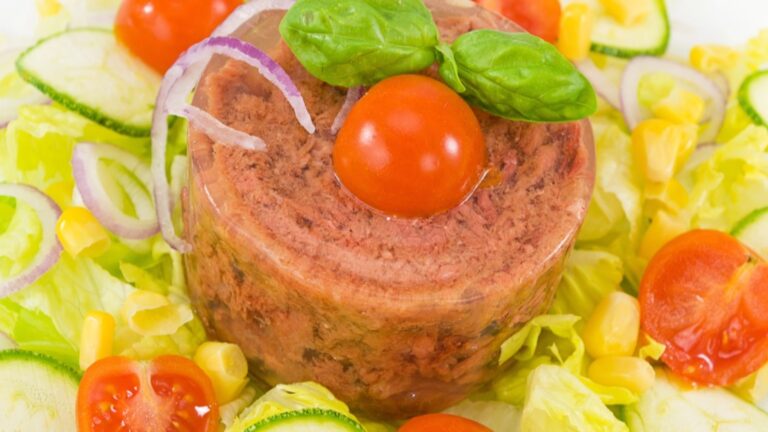
The idea of a sour, fermented side next to roast turkey can surprise people who grew up with a different menu. Wikipedia’s entry on sauerkraut describes it as finely cut raw white cabbage fermented by lactic acid bacteria, with a sour flavor and long shelf life, and says that in Maryland it is a traditional accompaniment to Thanksgiving turkey.
Other American holiday habits can seem just as odd from the outside. A list of strange Thanksgiving traditions that everyone pretends are not weird and another of odd American traditions that confuse the rest of the world give a sense of how local a family table can be.
How German Immigrants Brought the Dish to Baltimore
The Takeout traces the practice to the period when Germans moved to Baltimore in large numbers in the late 19th century, around the time Thanksgiving became a national holiday. The food was, in the article’s words, logically included. Before long, the article adds, non-German Baltimore residents took up the practice too.
Marriott Bonvoy Traveler’s coast-to-coast holiday food guide tells a similar story. It says German immigrants brought sauerkraut to Baltimore in the 1800s and that it has been a staple ever since. The guide says fans like its tartness because it offsets rich turkey and sweeter sides such as cranberries and sweet potatoes.
The wider history of German migration fits the timing. Wikipedia’s page on German Americans says Germans were the largest immigrant group in the United States from 1840 to 1890, and it counts 1,452,970 German immigrants in the decade from 1881 to 1890 alone. The page also notes that port cities such as New York and Baltimore had large German populations.
Food customs travel with people, a point that a list of laws and rules about food in other countries makes in another way.
For cooks planning the main dish itself, whatever sits next to it, a list of oven checks to make before the turkey goes in and a guide to things never to do with a turkey fryer cover the usual hazards of the turkey.
What Sauerkraut Looks Like in Germany and Austria
Wikipedia says the dish did not originate in Germany, since the Romans pickled cabbage and are considered the more likely source of modern European sauerkraut. In Germany and Austria, it adds, cooked sauerkraut is often flavored with juniper berries or caraway seeds, and popular variations add apples or white wine.
It is traditionally served warm with pork, such as eisbein, schweinshaxe or Kassler, or with sausages such as Frankfurters or Vienna sausages, usually with potatoes or dumplings. That pairing is the same one found on the plate at Baltimore’s Das Bier Haus, which Marriott’s guide says serves traditional German brews and beer-hall food, including seven types of sausage served with sauerkraut.

Why the Side Dish Stuck Around
A tradition that began with one immigrant group became a citywide habit, according to The Takeout. Thanksgiving menus tend to carry local touches in many places. A High Point University library guide from November 2023 on the history and variety of regional Thanksgiving dishes groups the holiday’s foods by region, including New England, the South, the Midwest, the Southwest and the West Coast and Pacific Northwest, which shows how much the table can change from one part of the country to another.
Wikipedia’s Thanksgiving page lists the usual spread of turkey, mashed potatoes, stuffing, sweet potatoes, squash, corn, green beans, cranberry sauce and pumpkin pie. Baltimore’s version puts sauerkraut into that lineup. Thanksgiving falls on Nov. 26 this year, as noted on the page for Thanksgiving in the United States, so the Baltimore bowls will be filled again within two weeks.

A Local Side Dish With a Long Reach
The Takeout’s list covers 13 sides that appear only in some parts of the United States, and Baltimore’s sauerkraut is one of them. The article presents the dish as a regional habit, one that began with immigrants and spread to the city at large.
The simplest way to describe the custom is as a German side dish that Baltimore adopted so fully that families with no German background now serve it too. That is the claim made by The Takeout and echoed by Marriott’s holiday food guide, and it stands as one of the clearer examples of how an immigrant food becomes a local one.
This article was produced with AI assistance and edited for accuracy against the sources linked above.
Image: Sdkb – CC BY-SA 4.0/Wikimedia Commons