When most people think of Italian desserts, tiramisu, gelato, and cannoli usually come to mind. These famous treats have earned their place on dessert menus worldwide, but Italy has plenty of other sweet surprises worth trying.
Travel beyond the popular tourist spots, and you may discover desserts that have been part of local traditions for generations. Some use simple ingredients, while others feature unusual combinations that might surprise you.
From creamy puddings to crispy pastries, these lesser-known Italian desserts offer a delicious way to experience the country’s regional food culture. If you’re planning a trip to Italy, here are five treats worth adding to your must-try list.
Bonet – A Chocolate Lover’s Dream From Piedmont
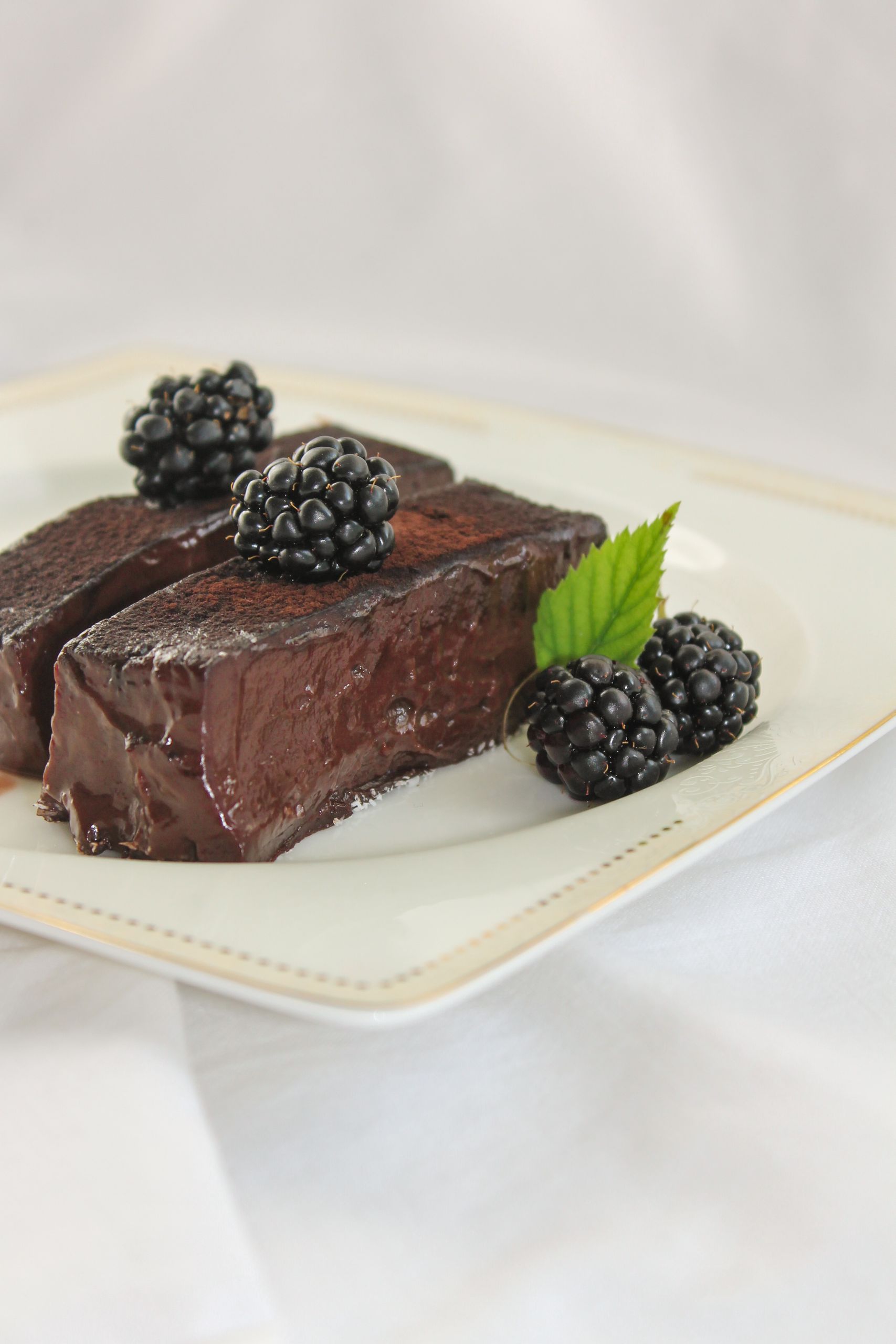
If you love chocolate desserts, bonet might become your new favorite Italian discovery. This traditional dessert comes from Piedmont, a region in northern Italy known for its rich culinary traditions.
Bonet is a smooth, baked pudding typically made with cocoa, eggs, milk, sugar, and crushed amaretti cookies. Some traditional recipes also include rum. The mixture is cooked in a caramel-lined mold, giving the finished dessert a beautiful glossy appearance.
What makes bonet special is its combination of flavors. The cocoa provides a rich chocolate taste, while the amaretti cookies add a slightly bitter almond note. The caramel brings everything together with a touch of sweetness.
Unlike ordinary chocolate pudding, bonet has a firmer, custard-like texture that melts gently in your mouth.
It’s usually served chilled, making it a wonderful dessert after a hearty Italian meal.
Where to try it: Look for bonet in traditional restaurants and trattorias around Turin and other parts of Piedmont. It’s especially worth ordering when it’s listed as a homemade dessert.
Seadas – Sardinia’s Sweet and Salty Surprise
Imagine biting into a warm, crispy pastry filled with melted cheese and covered in golden honey. It might sound like an unusual dessert combination, but that’s exactly what makes seadas so memorable.
Seadas, also called sebadas in some areas, are a traditional specialty from Sardinia, the beautiful Mediterranean island west of mainland Italy.
The dessert is made by filling rounds of pastry dough with fresh cheese, often flavored with lemon zest. The pastry is sealed, fried until golden, and traditionally served with honey.
The result is a delicious contrast between the crispy exterior, warm cheese filling, and sweet honey topping.
Unlike many desserts that rely heavily on sugar, seadas balance sweetness with the cheese’s slightly salty flavor. This combination gives them a distinctive taste that sets them apart from typical pastries.
Seadas also have roots in Sardinia’s pastoral food traditions, where cheese has long been an important ingredient.
Where to try it: Traditional Sardinian restaurants, especially those serving regional specialties in towns such as Nuoro, Alghero, and Cagliari, are excellent places to look.
For the best experience, enjoy seadas while they’re still warm and the cheese inside is soft.
Torta Tenerina – Ferrara’s Rich Chocolate Cake
Chocolate cake is popular almost everywhere, but Italy’s torta tenerina has its own personality.
Originally associated with Ferrara, a historic city in the Emilia-Romagna region, this dessert is famous for its delicate crust and soft, rich center.
At first glance, torta tenerina might resemble a simple chocolate cake. However, cutting into it reveals a dense, almost fudgy interior.
Traditional recipes generally use dark chocolate, butter, eggs, and sugar, along with a relatively small amount of flour.
That limited amount of flour helps create the cake’s signature texture. Instead of being fluffy like a typical sponge cake, torta tenerina is moist, tender, and intensely chocolatey.
The name itself hints at its character. Tenerina comes from an Italian word meaning tenderness, reflecting the cake’s wonderfully soft consistency.
It’s often served with a light dusting of powdered sugar. Some restaurants pair it with whipped cream or gelato, although the cake is delicious on its own.
Where to try it: Visit bakeries, cafés, and traditional restaurants in Ferrara. You’ll also find versions elsewhere in Emilia-Romagna.
If you enjoy brownies or flourless-style chocolate cakes, this Italian specialty deserves a place on your dessert list.
Biancomangiare – Sicily’s Elegant Almond Pudding
Not every memorable dessert needs chocolate, pastry, or layers of cream. Sometimes, the simplest ingredients create something extraordinary.
Biancomangiare is a traditional Italian dessert particularly associated with Sicily, although variations exist in other regions.
Its name roughly translates to “white food,” referring to its pale appearance.
In Sicily, people commonly prepare biancomangiare with almond milk, sugar, and a thickener such as cornstarch. Other versions use dairy milk.
Gently heat the mixture until it thickens, then pour it into molds or serving dishes and let it cool.
Once set, the dessert develops a smooth, delicate texture somewhere between pudding and a soft jelly.
Biancomangiare appeals because of its gentle flavor. Almond milk gives it a subtle nutty character without making it overly rich.
Depending on the recipe, it may be flavored with lemon zest, cinnamon, or vanilla. Some versions are decorated with chopped pistachios or a sprinkle of cinnamon.
This dessert is a lovely example of how Sicilian cooking turns everyday ingredients into something elegant.
Where to try it: Look for biancomangiare in traditional Sicilian restaurants and pastry shops, particularly in Palermo and other towns where regional desserts are celebrated.
It’s an excellent choice when you want something light and refreshing after a filling meal.
Cjarsons – Friuli’s Unusual Sweet-Filled Pasta
Here’s a dessert-inspired discovery that might completely change how you think about Italian pasta.
Cjarsons are traditional stuffed pasta from Carnia, a mountainous area in the Friuli-Venezia Giulia region of northeastern Italy.
Unlike familiar pasta dishes filled with meat or cheese alone, cjarsons can contain an unexpected combination of sweet and savory ingredients.
Depending on the family recipe, fillings may include potatoes, ricotta, dried fruit, herbs, cinnamon, chocolate, or other ingredients.
The stuffed pasta is boiled and commonly served with melted butter and grated smoked ricotta.
The result is a dish that brings together sweetness, saltiness, and aromatic spices in every bite.
Although cjarsons are often served as a first course rather than a dessert, their sweet fillings make them an interesting discovery for travelers who enjoy exploring unusual flavors.
Recipes vary considerably between villages and families, so two restaurants might serve very different versions.
That’s part of their charm. Cjarsons reflect the creativity of mountain cooking, where households developed distinctive recipes using ingredients available to them.
Where to try it: Traditional restaurants in Carnia, especially around Tolmezzo and nearby mountain communities, are good places to experience authentic cjarsons.
Just remember that this is more of a sweet-and-savory regional pasta specialty than a conventional after-dinner dessert.
Why Italy’s Lesser-Known Sweets Are Worth Discovering
One of the most exciting things about traveling through Italy is discovering how much food changes from one region to another.
While popular desserts such as tiramisu and gelato are found across the country, many traditional specialties remain closely tied to their places of origin.
Piedmont offers chocolate-rich bonet, Sardinia celebrates cheese-filled seadas, and Ferrara takes pride in its tender chocolate cake. Sicily brings delicate almond flavors to the table, while Friuli-Venezia Giulia surprises visitors with its sweet-and-savory pasta traditions.
These regional differences make Italian food culture especially fascinating. Even desserts made with simple ingredients can tell a story about local customs, family recipes, and generations of cooking.
For travelers, exploring these specialties can also mean stepping away from crowded tourist restaurants and visiting smaller bakeries, neighborhood cafés, and family-run trattorias.
You might even discover that the most memorable dessert of your vacation isn’t the one you planned to order.
Final Thoughts
Italy offers dessert lovers far more than the familiar classics. From Sardinia’s honey-covered seadas to Piedmont’s creamy bonet, every region has something special waiting to be discovered.
The next time you visit Italy, consider skipping your usual dessert order and trying something local instead. Ask your server about traditional specialties, explore neighborhood pastry shops, and don’t be afraid of unfamiliar menu names.
After all, some of the best travel memories begin with trying something new.
Which of these Italian specialties would you be most excited to try on your next trip?