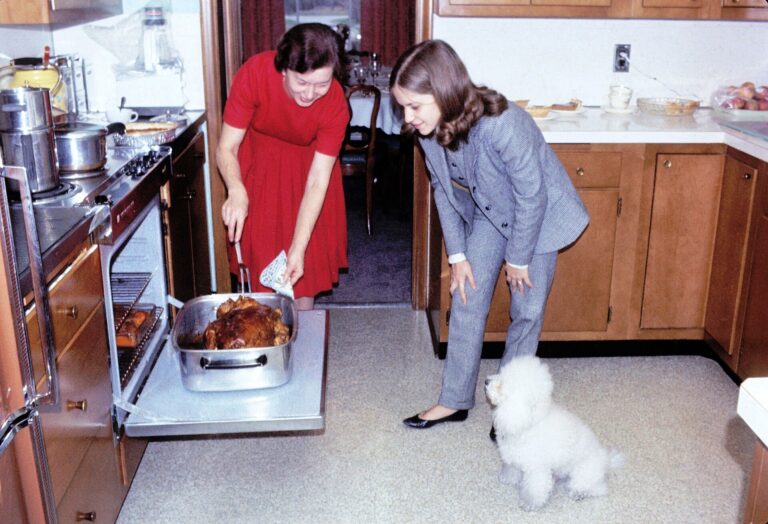
By the time the plates are cleared on Thanksgiving, the pies are usually still sitting on the counter, uncovered, while the conversation moves to the couch. Extension guidance says that habit works for some pies and not for others, and the line falls between fruit and everything made with eggs or cream.
According to University of Maine Extension, only a sugar-sweetened fruit pie with no eggs may sit covered at room temperature, for up to 2 days, and it should go into the refrigerator for 2 more days after that. Pumpkin, pecan and custard pies belong in the fridge, where the extension says they keep up to 4 days.

Fruit Pies Get the Counter, but Only for 2 Days
The room-temperature allowance is narrow. It applies to fruit pies made with sugar and without eggs, such as a classic apple or berry pie, and the pie should be covered. After 2 days on the counter, the University of Maine page says to refrigerate it for 2 more days. A fruit pie that goes straight into the refrigerator can keep up to 7 days.
The same page handles fresh fruit pies differently. A fresh fruit, custard, cream or chiffon pie is not recommended for room temperature at all and should be refrigerated promptly after it is made and kept chilled until serving. Those pies also keep up to 4 days in the refrigerator.
Why Pumpkin and Pecan Count as Custards
A pumpkin pie looks like a baked vegetable dessert, but its filling is a custard. Wikipedia describes the filling as pumpkin purée mixed with eggs, evaporated milk, sugar and spices, and notes that eggs are central to the texture. Pecan pie follows the same pattern, since Wikipedia lists eggs, butter and sugar as its base, usually with corn syrup, and traces the earliest known recipe to an 1886 issue of Harper’s Bazaar.
That egg-and-milk base is why Ohio State University Extension says pumpkin, pecan and cream pies must be kept at 41 degrees Fahrenheit or colder. Egg- and milk-based pies should not stay out more than 2 hours, and a homemade pumpkin pie should cool at room temperature for only 30 minutes after it leaves the oven before it goes into the refrigerator to finish cooling.
A pie on the counter also competes for space with everything else, much like the things that do not belong on a kitchen counter, so many hosts clear a spot in the refrigerator for dessert instead.

Making Room Before the Pies Arrive
The practical problem is space. A refrigerator already holding a turkey, side dishes and a bowl of cranberry sauce rarely has a free shelf for three pies. Planning that shelf in advance matters, and cooks who are also trying to free up the oven on the big day can bake pies a day ahead, since pumpkin and pecan pies keep up to 4 days under refrigeration.
The guest list matters too. Thanksgiving hosting involves the kind of unwritten rules covered in a roundup of old-school etiquette, and one of the easiest to follow is to bring out only the pie that is being served and leave the rest chilled. Families with their own odd traditions around dessert, such as pie before dinner or pie for breakfast, can keep them, as long as the clock and the thermometer are respected.
A table full of storytellers usually lingers longest, which is the pattern described in a list of zodiac signs that tell the best stories at the family table. Those are the evenings when a pie sits out the longest, so a quick trip to the refrigerator before the second round of stories keeps dessert on the right side of the extension rules.
The 2-Hour Clock at the Dessert Table
The 2-hour limit is a general food-safety rule, not a pie-specific one. The USDA’s Food Safety and Inspection Service says perishable food should go into the refrigerator within 2 hours, or within 1 hour when the temperature is above 90 degrees. It describes the range between 40 and 140 degrees as the zone where bacteria grow rapidly.
On a holiday, 2 hours goes quickly. A pie that comes out with the turkey and stays on the buffet through dinner, a football game and a second round of coffee can pass the limit without anyone noticing. Hosts who plan a dessert course for later can keep pumpkin and pecan pies in the refrigerator until the moment they are sliced, a simple habit that keeps the counter clear for the dishes still being served.
What Freezing Does to Each Pie
Extra pie is a common problem the day after Thanksgiving, and the freezer is the usual answer. University of Maine Extension says sugar fruit pies can be frozen up to 4 months for best quality, while pumpkin and pecan pies are best used within 2 months. Custard, cream and chiffon pies do not freeze well, so those are better eaten within their 4-day refrigerator window. Thawing is done in the refrigerator.
Pies made with sugar substitutes follow a shorter schedule. Because there is less sugar, the extension says to consume them within 2 days of refrigeration, and the best-quality freezer window is 2 months. Store-bought pies can be different, and the extension tells shoppers to check the label for specific storage instructions, since commercial pies may contain preservatives. Ohio State adds that some room-temperature pies carry a preservative that holds for five days, yet even those should be refrigerated at home, especially once cut.
This article was produced with AI assistance and edited for accuracy against the sources linked above.
Image: Infrogmation of New Orleans – CC BY-SA 4.0/Wikimedia Commons