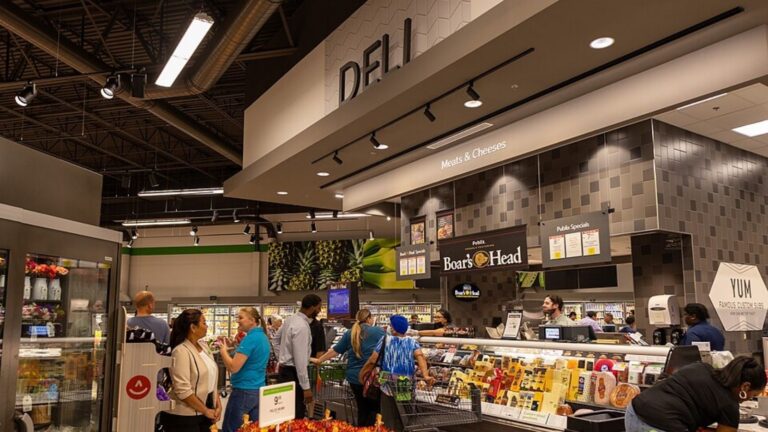
A 21% gap on a grocery receipt is the difference between a cart that costs $100 and one that costs $79, and it is the kind of number that makes a long drive to a different store start to look reasonable. Consumer Reports put that figure on two warehouse clubs in a price study reported in February.
Consumer Reports, working with the retail consultancy Strategic Resource Group, found that Costco’s prices averaged 21.4% below Walmart’s and BJ’s Wholesale Club’s about 21% below, according to Salon and Retail Brew. The comparison covered six U.S. metro areas and used Walmart as the baseline for every other chain.

Salon reported on Feb. 20, 2026, that the six metro areas were Boston, Chicago, Dallas-Fort Worth, Denver, Virginia Beach and greater Los Angeles. Prices were gathered in person in late summer 2025, so the study describes shelf prices from several months back, and staples keep shifting, as this look at things getting cheaper shows. The percentages are best read as a ranking of stores rather than a price list for today.
The Numbers Behind the 21%
The study ranked 31 supermarkets nationally, Retail Brew reported on Feb. 19, 2026. Costco’s basket came in 21.4% cheaper than Walmart’s, and BJ’s came in at 21% cheaper. Retail Brew said neither figure includes membership fees, which it listed at $65 a year for Costco’s basic membership and $60 for BJ’s.
The other end of the ranking was steep. Retail Brew listed Whole Foods at 39.7% above Walmart, Shaw’s at 31.9%, El Rancho at 30.1%, Jewel-Osco at 29.7% and Trader Joe’s at 24.6%. Among the chains cheaper than Walmart, the same report named Lidl at 8.5% lower and Aldi at 8.3% lower.
Kiplinger, in a story published March 6, 2026, added WinCo to the cheaper side at 3.3% below Walmart and described the study as covering dozens of nationwide chains. Walmart, founded by Sam Walton in Arkansas in 1962 according to Wikipedia, served as the yardstick for every other chain, and a former Walmart floorwalker’s account offers a look behind the scenes at that baseline store. Shoppers who keep a price book can pair the ranking with these frugal living tips.
How the Baskets Were Built
Salon said the baskets combined packaged goods, produce and meat, and that the baskets differed in size depending on which items each store carried. Each metro’s prices were collected within a 48-hour window, which keeps a weekly sale from skewing one city against another. Stretching what the cart holds matters too, and these clever kitchen tricks for home cooks are one place to start.
The final prices included sale prices and discounts available with free store loyalty cards. They did not include manufacturer coupons or app-only savings, Salon reported. A shopper who clips coupons or uses a store app may see different gaps than the study did, and a list of things smart shoppers never buy at a dollar store is a reminder that cheap is not always a bargain.

Fees and Store Brands Change the Picture
The two clubs sit at the top of the ranking, but they are membership clubs. Costco’s own history shows how the model works. According to Wikipedia, the company opened its first warehouse in Seattle in 1983 and sells much of its stock under the Kirkland Signature label. The study’s percentages leave membership fees out.
The math is straightforward for a household. A basic Costco membership at the $65 Retail Brew listed pays for itself once the savings pass that amount. At a 21% gap, that point comes at roughly $310 a year in groceries, measured at Walmart’s prices, or about $6 a week. A cart that costs $200 at Walmart would cost about $158 at Costco before fees, a difference of about $42.
Retail Brew also flagged a limit in the method. Many of the compared items were national brands, which it said made the comparison less robust for stores built around private labels, such as Trader Joe’s and Aldi. A store like Aldi, which sells mostly its own brands, may look different in a basket of its own products than in a basket of name brands.
Boston Shows How Local the Gap Can Be
The national averages hide local swings. Salon reported that Costco’s prices averaged 37% below Walmart’s in Boston, far wider than the 21.4% national figure. A shopper’s own city can produce a different gap from the one in the headline.
The same caution applies to the size of the study. Six metro areas cannot speak for every town, and shoppers who live far from a club store also have to count gas and time.
What the Ranking Suggests for the Weekly Cart
The takeaway is less about one store than about the order. Warehouse clubs sat roughly 21% below Walmart, Lidl and Aldi sat a little over 8% below, and conventional chains and specialty grocers sat well above. Anyone who splits purchases between stores can use that order as a guide: staples and bulk goods at a club, quick top-ups at a closer, cheaper chain, and specialty items at the store that carries them.
Prices also keep moving. The study’s late-summer 2025 data is months old, and any chain can change its shelf prices or run sales. A shopper who relies on one store’s reputation may do worse than one who checks the tag each trip.
The study’s figures are dated, regional and built on national brands, which makes them a ranking more than a promise. Still, the headline holds up across the three outlets that reported it: Consumer Reports found Costco and BJ’s about 21% cheaper than Walmart, across six cities, before membership fees.
This article was produced with AI assistance and edited for accuracy against the sources linked above.
Image: Tokumeigakarinoaoshima – CC BY-SA 4.0/Wikimedia Commons