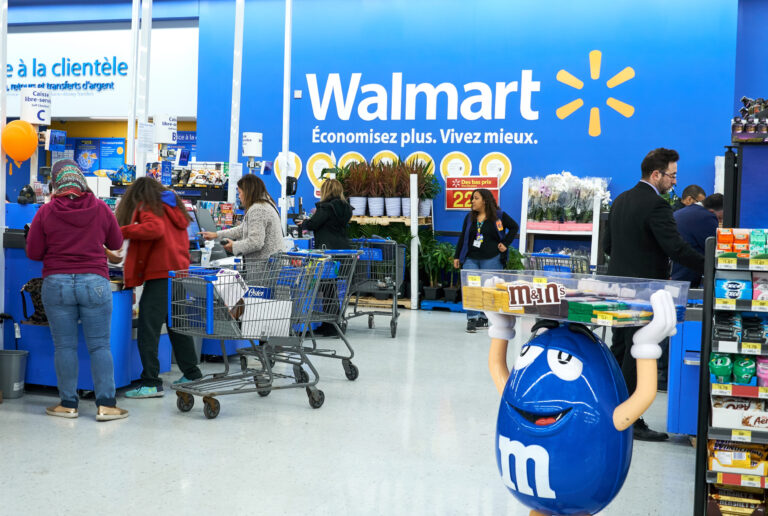
The Restaurant Meals Program is a state option inside SNAP, and USDA’s Food and Nutrition Service describes it as a way for certain clients to buy prepared meals at restaurants with their benefits. Only some states have chosen to run it. The USDA page, last updated Aug. 7, 2026, lists 9 of them.
Those 9 states are Arizona, California, Illinois, Maryland, Massachusetts, Michigan, New York, Rhode Island and Virginia. Illinois comes with a geographic limit, and every state sets its own rules for which restaurants take part.

All 9 States on USDA’s List
USDA’s “States that Operate a Restaurant Meals Program” section names each participating state and gives a contact for the program. The list reads Arizona, Maryland, New York, California, Massachusetts, Rhode Island, Illinois, Michigan and Virginia.
The Illinois entry carries a note that the program operates in Cook and Franklin Counties only. For the other eight states, the USDA list carries no such note, although a state can set its own pace for signing up restaurants. Maryland’s page, for example, says the state is piloting the program in current counties and plans to add more.
Who Qualifies Under USDA’s Rules
According to USDA, a client must be certified for SNAP in a state that has the program, and every member of the household must fall into one of four groups. Those groups are people age 60 or older, people who receive disability or blindness payments (or disability retirement benefits from a governmental agency for a permanent disability), people who are homeless, and the spouse of a client who qualifies.
The USDA SNAP overview frames the wider program as food benefits for low-income families, and the restaurant option sits on top of that for a narrower set of households. SNAP was once called the Food Stamp Program, a naming change recorded in Wikipedia’s history of the program, which is why older pages sometimes still use the earlier name. Frenz Hub also has a post titled Who Said Inflation Had to Ruin Everything? 12 Things That Are Actually Getting Cheaper!.
How the Card Works at the Register
USDA says the restaurant is not responsible for deciding who may use SNAP at its counter. Instead, the state codes the EBT card of each eligible client so that it is accepted at participating restaurants, and the card is declined automatically if the holder does not qualify.
A restaurant needs a point-of-sale device programmed to accept EBT cards. USDA notes that a restaurant already taking credit and debit cards can ask its third-party processor about adding EBT.
That arrangement explains why the same card can work at one fast-food counter and be declined at another down the street. The restaurant itself has to be in the program first. Another Frenz Hub post is titled 14 Outrageously Expensive Products Americans are Overpaying For Unknowingly.

What a Restaurant Must Do to Join
USDA lists three requirements. The restaurant must be in a state that has the program, must get approval from the state and provide a signed agreement to the agency, and must be authorized by the agency to accept SNAP benefits.
The agency also says each state decides how many restaurants it wants and which ones. A restaurant owner with a signed state agreement applies for authorization on the FNS 252-2 form and mails the package with the agreement to the Retailer Service Center in Falls Church, Virginia. A third Frenz Hub post is titled 12 Laws And Rules About Food In Other Countries.
Maryland: Rules, Receipts and Participating Names
The Maryland Department of Human Services says the program lets older, homeless and disabled SNAP recipients use their Independence EBT card for prepared or hot food at participating restaurants and delis. Spouses are included, and for the disabled category the spouse counts when the two are the only participants on the SNAP case.
The state says eligibility is reviewed at every redetermination. A recipient who is found ineligible at the next recertification can no longer use the card for prepared food at restaurants.
Maryland’s page walks through four steps: find a participating restaurant on the state list or ask an eligibility worker, call 1-800-997-2220 or visit ebtedge.com to confirm the card balance, buy breakfast, lunch or dinner, and keep the receipt that shows the meal cost and the remaining balance. Its list of participating restaurants includes KFC locations, Checkers, Burger King, Cheezy’s Pizza & Subs and Michael’s Pizza and Subs, among others, and notes that one location is temporarily closed. The craftingyourhome.com site also has a post titled 7 Things Smart Shoppers Never Buy at a Dollar Store.
Michigan: No Separate Application
Michigan’s state human services department says SNAP recipients need no application to take part in its Restaurant Meal Program. Group members must all be 60 or older, disabled under the same definition USDA uses, homeless, or the spouse of an eligible recipient.
Recipients use the Michigan Bridge card, and the state posts both a restaurant map and a restaurant list. It also publishes a recipient FAQ in English, Spanish and Arabic. Restaurant owners download a memorandum of understanding and a SNAP application for meal services, then email completed forms to the state’s program inbox. Another craftingyourhome.com post is titled 9 Money Lessons Many People Wish Their Parents Had Taught Them.
Virginia and the Remaining States
Virginia’s Department of Social Services lists a Virginia Restaurant Meals Program in its benefits menu, described as a way to use SNAP EBT for hot meals at approved restaurants for those who qualify. USDA’s contact list for the program also names a Virginia SNAP program consultant.
For Arizona, California, Massachusetts, New York and Rhode Island, USDA’s page supplies state program contacts rather than rules. Each of those states’ agencies holds its own current list of participating restaurants.
A Few Practical Limits
The program does not change which households receive SNAP, and it does not turn every restaurant into a place where benefits work. Households with any member outside the four groups fall outside the program, and a state without the option has no restaurant list at all.
The 9-state list reflects USDA’s page as updated Aug. 7, 2026. States can add or remove restaurants, and county limits such as Illinois’s Cook and Franklin Counties are the kind of detail that changes how far the program reaches in a given place.
This article was produced with AI assistance and edited for accuracy against the sources linked above.
Image: Jackg98 – CC BY 4.0/Wikimedia Commons