When a recipe calls for buttermilk and only milk is on hand, a quick substitution is the usual rescue, and two university extension services have published the exact amounts. Six common swaps are covered here.
Colorado State University Extension’s ingredient substitutions table, reviewed in August 2025, and North Dakota State University Extension’s publication on the same topic, reviewed in January 2023, agree on most of the six swaps below. Where they differ, both versions are given.

1. Buttermilk: Milk Plus Vinegar or Lemon Juice
For 1 cup of buttermilk, Colorado State lists 1 cup minus 1 tablespoon of sweet milk plus 1 tablespoon of vinegar or lemon juice, left to stand 5 minutes. North Dakota State gives the same mix and says to let it stand 5 to 10 minutes.
Both also list 1 cup of plain yogurt, and both give a second option of 1 cup of sweet milk plus cream of tartar, at 1 3/4 teaspoons in the North Dakota State version.
Wikipedia’s buttermilk entry explains why the swap works: the acid in buttermilk reacts with baking soda to release carbon dioxide, which makes baked goods rise, and acidified milk supplies the acid. Whole milk is usually preferred for baking, per the same page.
For anyone who bakes fall apple recipes, craftingyourhome.com has a list of apple varieties bakers reach for in the fall, and Frenzhub has a guide to the best air fryer toaster ovens of 2026 for small-batch baking.
2. Brown Sugar: Granulated Sugar Plus Molasses
Both extension services list 1 cup of granulated sugar as a simple stand-in for a packed cup of brown sugar, and both give a closer match of 1 cup of granulated sugar plus 1/4 cup of molasses. Colorado State specifies unsulphured molasses.
Wikipedia’s brown sugar entry describes the product as sugar whose color comes from molasses, and gives a homemade ratio of about 1 tablespoon of molasses per cup of sugar, with less molasses for lighter sugar and more for darker.
That gap is worth noticing. The extension ratio uses more molasses than the lighter ratio, so the choice changes how dark and molasses-forward the sugar tastes in a cookie.
3. Baking Powder: Baking Soda Plus Cream of Tartar
For 1 teaspoon of baking powder, both extension services list 1/4 teaspoon of baking soda plus 5/8 teaspoon of cream of tartar. Wikipedia’s baking powder entry describes baking powder as a bicarbonate base plus one or more acid salts, with cornstarch to keep them from reacting before use.
Colorado State adds a version with 1/4 teaspoon of baking soda, 1/2 teaspoon of cream of tartar and 1/4 teaspoon of cornstarch, and swaps that use buttermilk or molasses with adjusted liquid.
The homemade mix reacts when it gets wet, so it belongs in the bowl right after it is mixed. Wikipedia notes that a cream-of-tartar mix will not keep and should be combined just before use.
4. Cake Flour: All-Purpose Flour Minus 2 Tablespoons
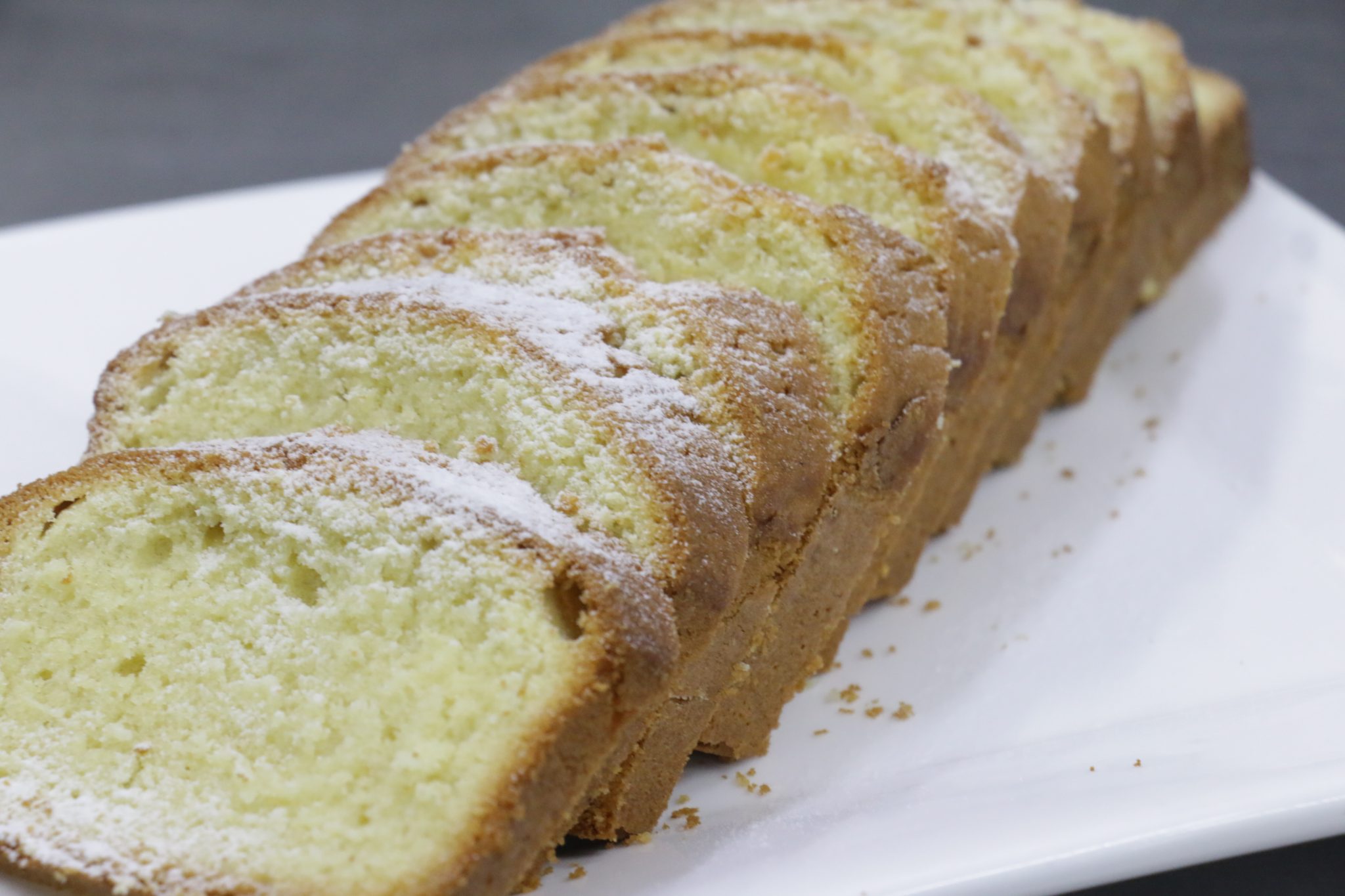
North Dakota State’s swap for 1 cup of sifted cake flour is 1 cup minus 2 tablespoons of sifted all-purpose flour. Colorado State’s table lists a matching 7/8 cup of all-purpose flour. Wikipedia’s cake flour entry says cake flour is a finely milled white flour from soft wheat with a protein content of 8 to 10 percent, lower than all-purpose.
The substitution is a rough match, not an exact one. The page notes that higher-protein flours can make a cake tough, which is the reason the lower-protein flour is called for in the first place.
5. Self-Rising Flour: All-Purpose Plus Leavening and Salt
The two sources differ a little here. Colorado State lists 1 cup of all-purpose flour plus 1 1/4 teaspoons of baking powder and 1/4 teaspoon of salt. North Dakota State lists 1 cup minus 2 teaspoons of all-purpose flour plus 1 1/2 teaspoons of baking powder and 1/2 teaspoon of salt.
Wikipedia describes self-rising flour as white flour sold premixed with chemical leavening, with a typical ratio of 1 1/2 teaspoons of baking powder and a pinch to 1/2 teaspoon of salt per cup, which lines up with the North Dakota State figures.
The difference between the two recipes is small enough that either works for a pancake or biscuit morning. Frenzhub’s easy-to-use products for everyday life at home has a roundup for the kitchen.
6. Pumpkin Pie Spice: Four Spices From the Rack
This is the swap where both sources match exactly. For 1 teaspoon of pumpkin pie spice, both list 1/2 teaspoon of cinnamon, 1/4 teaspoon of ginger, 1/8 teaspoon of allspice and 1/8 teaspoon of nutmeg.
The timing is useful in mid-November, when pies are on the way. Craftingyourhome.com’s list of pies that show up on Thanksgiving tables across America covers the pie side of the table, and Frenzhub’s 26 easy tips for saving money fast covers the budget side of buying a jar.
The Catch With Every Swap
North Dakota State states the caution plainly: each ingredient in a recipe has a specific function, and substituting one for another may alter the taste, color, moisture content or texture. The authors suggest using substitutions in unexpected situations only.
Colorado State’s caution is similar. It says to measure accurately and to expect differences in flavor, moisture, texture and weight when swapping sugar or flour.
The six swaps above are for the Saturday when the carton is empty or the spice jar is missing. For a recipe that depends on one specific flour or sugar, the original ingredient is still the safer pick.
This article was produced with AI assistance and edited for accuracy against the sources linked above.
Image: Moe Rubenzahl – CC BY-SA 4.0/Wikimedia Commons