The world produces enough food, wealth, and resources to support far more people than it currently does. Yet millions of people still struggle to afford decent meals, safe housing, education, and basic health care. Meanwhile, enormous fortunes continue to accumulate in the hands of a relatively small group of people and powerful institutions.
Poverty is often discussed as a result of laziness or poor personal decisions, but that explanation ignores the bigger picture. The uncomfortable truth is that how resources are distributed matters just as much as how much the world produces.
The World Produces Plenty of Food, Yet People Still Go Hungry
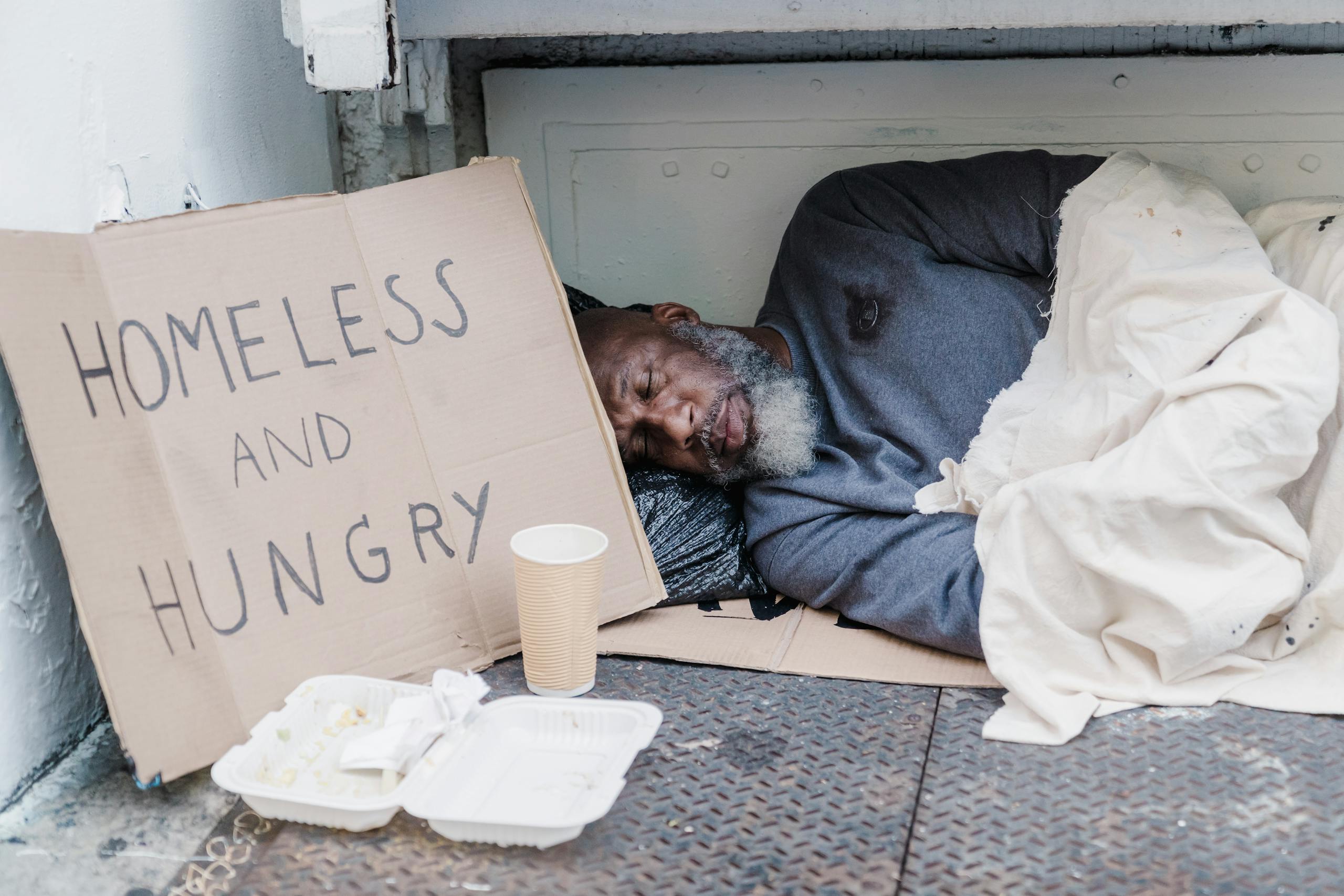
Global agriculture produces enough food to feed the world’s population, but getting that food to everyone is another challenge. According to the United Nations, around 673 million people experienced hunger in 2024. Food insecurity is driven by several factors, including conflict, poverty, high food prices, climate shocks, and unequal access to resources.
Some communities struggle to afford basic groceries while perfectly edible food is discarded elsewhere. The problem is not simply a shortage of food; it is also a failure to make nutritious food accessible to everyone.
A Small Group Controls an Enormous Share of Global Wealth
Wealth is distributed extremely unevenly worldwide. According to the World Inequality Report 2026, the richest 10% of the global population own roughly three quarters of global wealth, while the poorest half own just 2%. This means millions of people have very little financial security even as enormous fortunes continue to grow.
Wealth concentration also gives the richest individuals and families greater access to investment opportunities, property, and influence. The gap becomes harder to close when people who already have money have more opportunities to accumulate it.
Housing Has Become Unaffordable for Millions
Having a roof over your head should not feel like a luxury, but housing costs have made that difficult for many families. In cities worldwide, rents and property prices have risen beyond what ordinary workers can comfortably afford.
The United Nations estimates that approximately 1.6 billion people live in inadequate housing conditions. Speculation, limited affordable housing, rising construction costs, and low wages all contribute to the problem. When housing consumes most of someone’s income, saving money or investing in a better future becomes incredibly difficult.
Workers Create Wealth They Cannot Always Afford to Enjoy
Every day, millions of people keep businesses, hospitals, factories, farms, and essential services running. Yet having a full-time job does not always guarantee financial security. Low wages, insecure employment, rising living costs, and limited worker protections leave many people struggling despite working hard.
The International Labor Organization has repeatedly highlighted the challenge of working poverty, where people remain poor despite having employment. A system in which people cannot afford basic necessities from their work deserves serious scrutiny.
Poverty Is More Expensive Than People Realize
Being poor often means paying more for things that wealthier people can access cheaply. Someone without savings may rely on expensive short-term credit, pay extra for small quantities of groceries, or spend more on transport because they cannot afford to live near work.
Without reliable health care, a relatively minor medical problem can become a costly crisis. Limited access to quality education and financial services can also restrict future opportunities. Poverty is not just about having less money today; it can make it much harder to build financial security tomorrow.
Greed and Poor Policies Make the Problem Worse
Greed is not the only cause of poverty, but decisions driven by excessive profit and wealth protection can deepen inequality. Tax avoidance, corruption, exploitative labor practices, and weak public services can prevent resources from reaching the people who need them.
Governments also choose how much to invest in schools, hospitals, affordable housing, and social protection. When powerful interests receive more attention than ordinary citizens, existing inequalities can become entrenched. Fairer taxation, responsible business practices, stronger labor protections, and effective public spending can make a meaningful difference.
Ending Poverty Requires More Than Telling People to Work Harder
Hard work matters, but it cannot solve every problem created by low wages, unequal opportunities, conflict, and poor governance. People need access to education, decent jobs, affordable housing, health care, and opportunities to build assets.
The World Bank estimates that hundreds of millions of people still live in extreme poverty, showing how much work remains. Global wealth and productive capacity are sufficient to make substantial progress, but resources must reach communities rather than remain concentrated among those who already have plenty. Poverty is complicated, but accepting it as an unavoidable part of life is a choice societies do not have to make.