Before colorful insulated lunch bags and neatly divided food containers, school lunches had a different kind of charm. A metal lunchbox featuring Snoopy or The Partridge Family could hold a simple sandwich, a piece of fruit, and a little something sweet.
For many American kids growing up in the 1970s, lunchtime meant opening a meal packed at home. Some brought peanut butter and jelly, others had bologna sandwiches, and a lucky few discovered a Twinkie waiting for dessert.
Of course, no two lunchboxes were exactly alike. Family budgets, personal tastes, and what happened to be in the kitchen shaped what went inside.
Still, these ten foods bring back a delicious slice of 1970s childhood.
Peanut Butter and Jelly Sandwiches

Few school lunches capture childhood quite like a peanut butter and jelly sandwich. Two slices of bread, a familiar filling, and lunch was ready.
In a 2019 Observer-Reporter article, Bryan Linton remembered his mother packing a peanut butter and jelly sandwich for kindergarten in 1975. His lunch also included tapioca pudding and a banana, all carried in a yellow Disney school-bus lunchbox.
Peanut butter was already a familiar grocery-store favorite. Jif had launched nationally in 1958, and its famous advertising slogan at the time was “Choosy Mothers Choose Jif.”
The sandwich didn’t need fancy ingredients or an elaborate recipe. It was simple, recognizable, and easy for busy parents to put together.
Bologna and Cheese Sandwiches
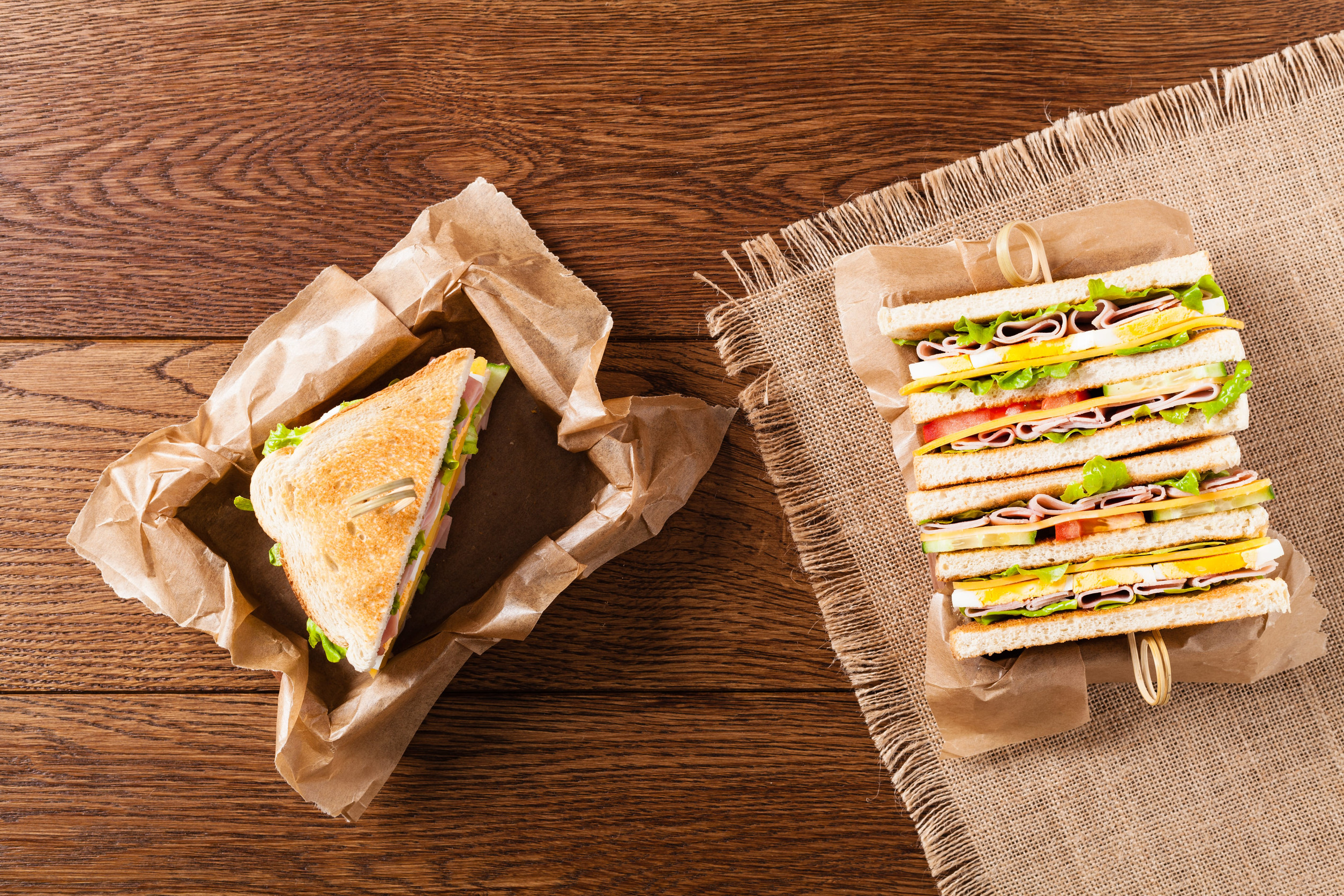
If peanut butter and jelly was the sweet lunchbox classic, bologna and cheese was its savory cousin.
A couple of slices of bologna, some cheese, and bread made a straightforward school lunch. Families could change the combination depending on what they had available.
Deanna Piercy, recalling her childhood in Southern California, described bologna and cheese as one of the sandwiches she took to school.
Interestingly, the 1973 Good Housekeeping Cookbook even suggested pairing sliced bologna with coleslaw.
And who could forget the Oscar Mayer commercial that taught Americans to spell bologna? The catchy advertisement first aired in 1974.
For anyone who grew up hearing that tune, bologna was more than sandwich meat. It came with its own soundtrack.
Tuna Sandwiches
Tuna sandwiches might not sound like the most exciting lunchbox discovery, but they certainly had their fans.
Piercy remembered tuna as her favorite school-lunch sandwich during the 1970s. Her private school didn’t have a cafeteria, so bringing lunch from home was part of the daily routine.
Tuna was also a familiar presence in American food advertising. StarKist’s Charlie the Tuna had debuted in 1961, well before the decade began.
Today, it’s easy to joke about tuna being the sandwich nobody wanted to sit beside. But that stereotype doesn’t tell the whole story.
For some children, a homemade tuna sandwich was exactly what they hoped to find when lunchtime arrived.
Hostess Twinkies
Now we’re getting to the part of the lunchbox that could make an ordinary school day feel special.
Twinkies were already decades old by the 1970s, having first appeared in 1930. Their soft golden cake and creamy filling made them a recognizable packaged treat.
Piercy remembered Twinkies and Ding Dongs appearing in her school lunches.
Another childhood account, Yvette Miller’s Twinkies and Me, recalls classmates trading lunch foods in the 1970s. Miller avoided Twinkies because of her family’s religious dietary restrictions, showing that even popular treats weren’t everyone’s favorite.
For kids who enjoyed them, though, finding a Twinkie tucked beside a sandwich could be a pretty sweet surprise.
Canned Chocolate Pudding
Forget the familiar plastic pudding cups for a moment.
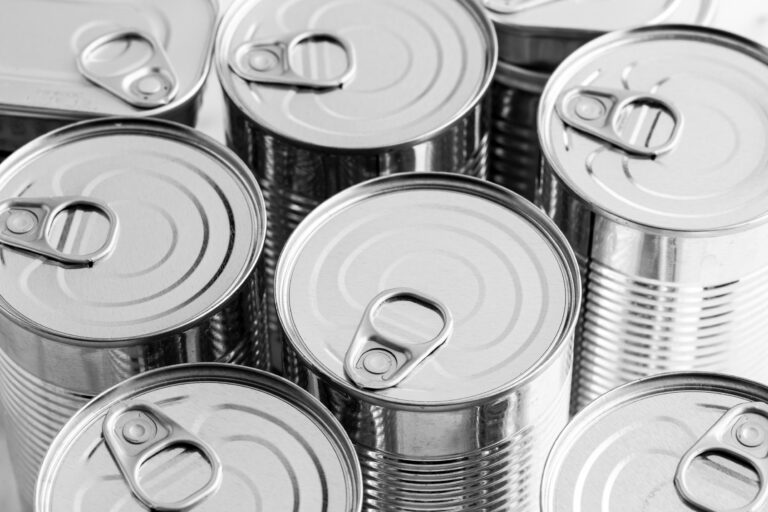
In the 1970s, pudding could arrive in a small metal can.
Elizabeth Hudson, writing for Our State magazine, remembered her mother packing canned chocolate pudding in her school lunch. She even recalled pulling off the metal lid and licking the pudding from underneath it.
It was a memorable little ritual, although probably one that would make parents nervous today.
Hunt’s Snack Pack had introduced its canned pudding in 1968, making the format available throughout the decade.
And chocolate wasn’t the only option. Bryan Linton’s remembered 1975 lunch included tapioca pudding.
The dessert was familiar, but the packaging tells you just how much school lunches have changed.
Potato Chips
Sometimes the best part of lunch wasn’t the sandwich. It was the crunchy treat sitting beside it.
Potato chips were another food remembered in 1970s packed lunches. Piercy recalled having them alongside sandwiches, fruit, and dessert.
They offered a savory contrast to the softer foods in the box, and they didn’t require any cooking.
The snack industry was already well established. Frito-Lay had formed in 1961, several years before the decade began.
Potato chips weren’t the only crunchy choice, either. Hudson remembered her mother packing potato sticks in a tin.
Whether a child preferred chips or potato sticks, a little crunch could make a simple homemade lunch feel more interesting.
Apples and Bananas
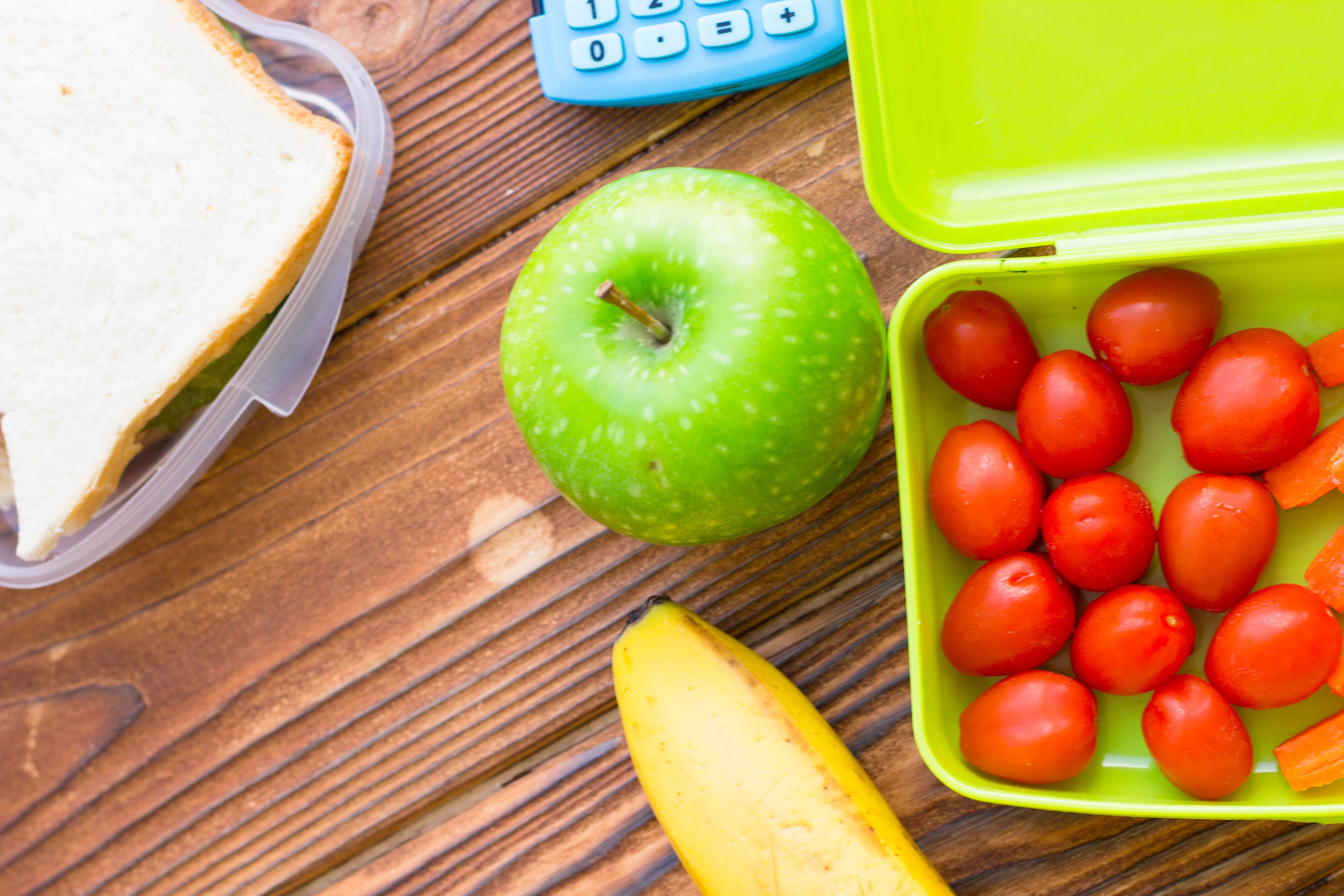
Not everything in a 1970s lunchbox came wrapped in colorful commercial packaging.
Sometimes it was just a whole apple or banana.
Smithsonian writer Lisa Bramen remembered taking an apple to elementary school in the 1970s. Her lunch also included cheese, crackers, and alphabet soup.
Meanwhile, Bryan Linton’s mother packed a banana with his sandwich and pudding.
Fruit was an uncomplicated addition to a meal, with little preparation required.
And unlike branded snacks, an apple or banana didn’t come with a cartoon character or television jingle. It was simply part of what the family had packed for the day.
Cookies
A sandwich might have been the main event, but cookies made a pretty convincing argument for saving room for dessert.
Cookies appeared in remembered 1970s school lunches, although they weren’t necessarily homemade.
Piercy recalled taking cookies to school and even remembered occasions when her mother substituted a small bag of chocolate chips because another dessert wasn’t available.
That detail says plenty about everyday family life. Lunchbox treats didn’t always follow a perfect plan. Sometimes parents simply worked with what was in the cupboard.
Packaged favorites such as Chips Ahoy!, Nilla wafers, and Fig Newtons were available in stores during the decade.
Whether baked at home or purchased at the grocery store, cookies could add a little sweetness to the school afternoon.
Alphabet Soup in a Thermos
Not every child opened a lunchbox to find a cold sandwich.
Some brought a warm meal tucked into a matching Thermos.
Bramen remembered carrying alphabet soup in the Thermos that came with her Peanuts lunchbox. She enjoyed her soup alongside cheese, crackers, and an apple.
Even better, she recalled reading the comic strips printed on the lunchbox while eating.
Alphabet soup itself was hardly new. Campbell’s had added letters to its soup in 1915 and officially adopted the name “The Alphabet Soup” in 1969.
For a child in the 1970s, the fun wasn’t just eating lunch. It was finding little letters floating in the soup while enjoying a meal from home.
Milk in a Matching Thermos
Before the days of modern drink pouches and colorful reusable bottles, some children carried milk in a Thermos.
Piercy remembered milk being the usual drink packed by her family. Occasionally, she took soda instead.
The Thermos was an important companion to the traditional metal lunchbox. Some sets even featured matching decorations, making the food container and drink bottle feel like a complete package.
The combination wasn’t invented in the 1970s, but it remained part of the school-lunch experience.
For children carrying character-themed lunchboxes, opening the lid and finding a matching bottle was another small detail that made the whole experience memorable.
The Lunchbox Was Part of the Fun
Looking back, the food was only half the story.
There were metal lunchboxes decorated with beloved television characters, matching Thermos bottles, simple sandwiches, and desserts that made lunchtime worth anticipating.
The Smithsonian’s lunchbox history shows just how closely these everyday containers reflected children’s interests and popular entertainment.
Some children carried Snoopy, others preferred The Partridge Family, and plenty had their own favorites.
The meals were different from family to family, but the excitement of opening a lunchbox to see what Mom packed remains a familiar childhood memory.
And sometimes, the simplest things are the ones we remember longest.