Avocado toast gets the attention, but a ripe avocado can do just as much for lunch or dinner. A few slices soften the bite of a crunchy cabbage salad, and a spoonful mashed with lime makes a quick topping for black bean tacos. If you find yourself reaching for avocado most days, what might that habit do beyond making meals creamier?
Researchers have tested daily avocado intake in several trials, looking at everything from cholesterol to the bacteria that live in the gut. They’ve also studied what happens when avocado is eaten with vegetables at a single meal. Together, those studies offer four reasons to consider keeping avocado in your regular rotation.
It may modestly lower LDL cholesterol.
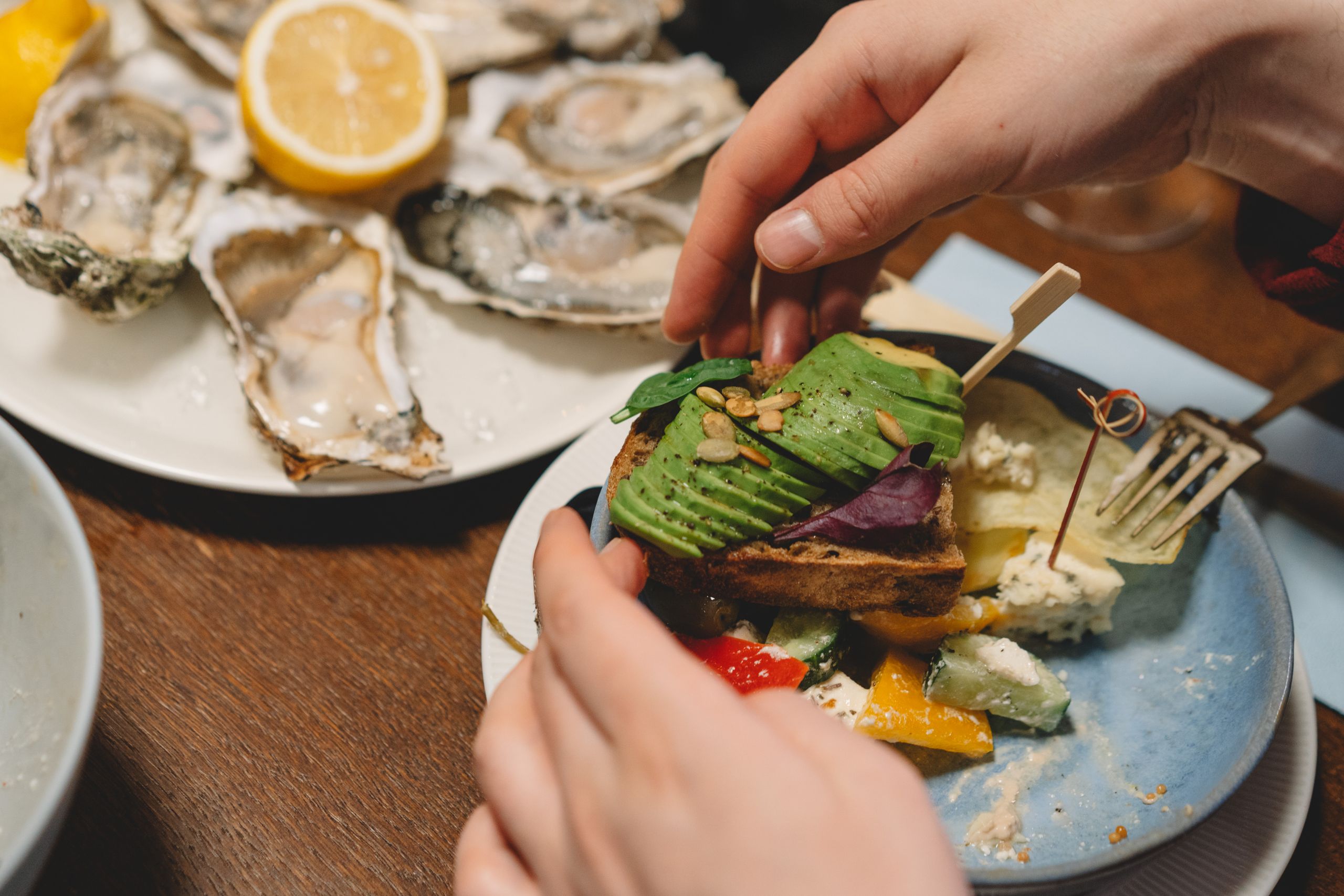
In a six-month randomized trial involving 1,008 adults with elevated waist circumferences, one group was asked to eat an avocado a day while the other continued its usual diet. The avocado group saw a small reduction in LDL cholesterol, often called “bad” cholesterol, compared with the group that kept its usual diet. The main outcome researchers were tracking, fat around the abdominal organs, did not meaningfully differ between the two groups. pubmed.ncbi.nlm.nih.gov
If you want an easy place to try it, mash avocado with lemon and black pepper and spread it on toast in place of butter. The same mash works on a sandwich, especially with a filling that could use a little moisture, such as sliced turkey or leftover roast chicken.
Related: Before Avocado Toast, There Was This Creamy Breakfast, and It Deserves a Second Look
It can help you absorb certain compounds from vegetables.
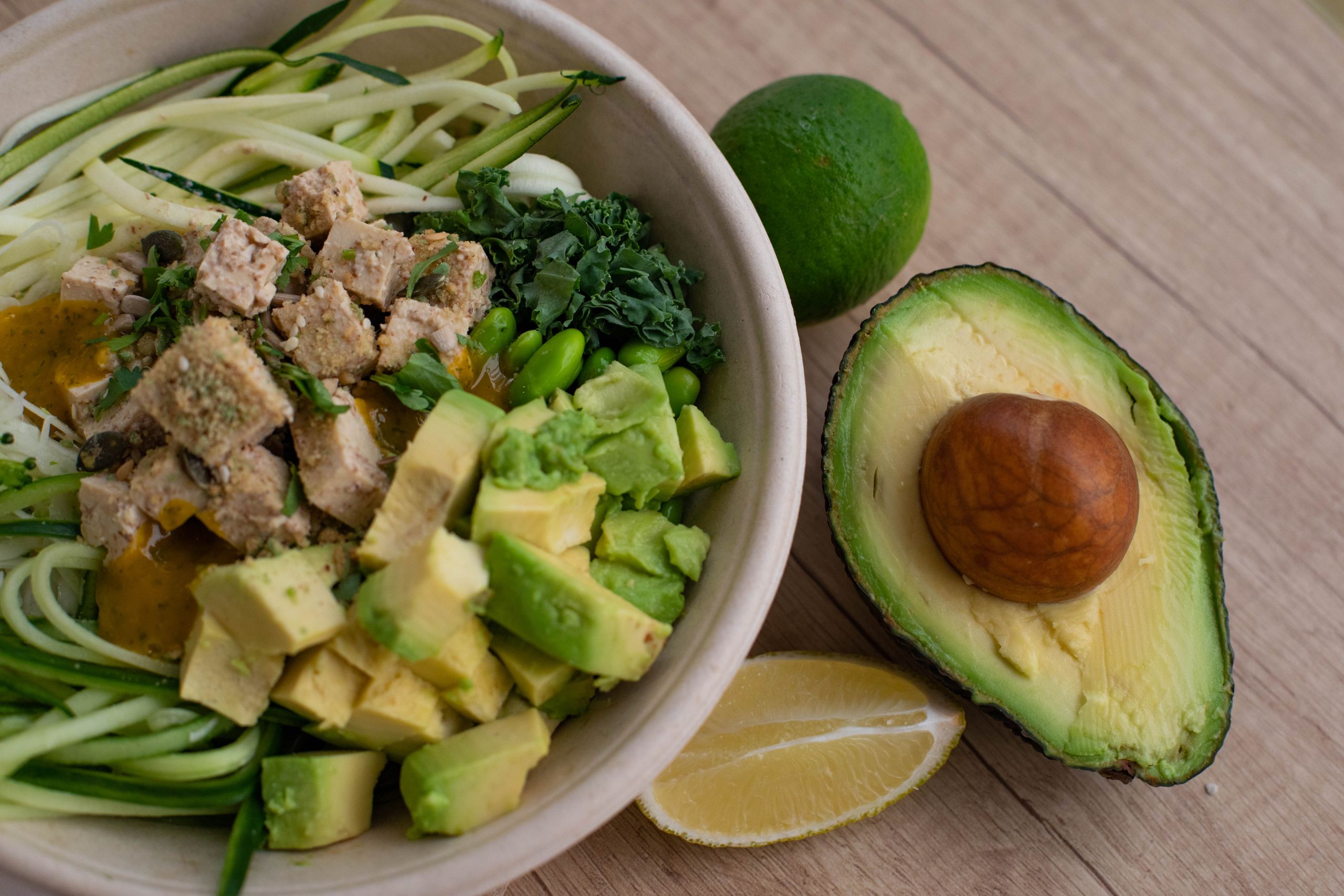
The avocado in a salad can do more than balance out crunchy greens. In a small feeding study, participants absorbed more of several carotenoids, including beta-carotene and lutein, when they ate a salad with avocado than when they ate the salad on its own. Carotenoids are pigments found in plant foods. A separate feeding study found that pairing avocado with raw carrots increased the absorption of beta-carotene and its conversion to vitamin A. pubmed.ncbi.nlm.nih.gov
Try cubed avocado with shredded carrots, romaine, and a squeeze of lime. If you prefer a smoother dressing, blend some avocado with lime juice and enough water to make it pourable. Either approach puts the avocado and vegetables in the same meal, which is what the researchers tested.
It may change the mix of bacteria in your gut.
In a 12-week randomized trial, adults with overweight or obesity ate a daily meal that either included avocado or contained the same number of calories without it. The avocado group had higher relative levels of some gut bacteria that can break down fiber. Researchers also measured differences in compounds those microbes produce. Because the trial measured changes in gut microbes and their byproducts, questions about how those changes affect everyday digestion remain open. pubmed.ncbi.nlm.nih.gov
For a meal you can repeat on busy days, add avocado to a bowl of black beans, brown rice, and salsa. If you’re packing lunch, bring the avocado separately and slice it just before eating. That way, you can assemble the rest of the bowl the night before.
It may help improve overall diet quality.
A follow-up analysis of the six-month trial looked at how closely participants’ meals aligned with U.S. dietary guidelines. On a 100-point scale called the Healthy Eating Index, the daily avocado group improved by about 4.7 points more than the comparison group. The analysis relied on participants’ recall of what they ate, and the improvement differed between men and women. The result is an average across the group. PubMed
In your kitchen, think about which meals you’d actually enjoy more with avocado. Try slices over a bowl of chili, a spoonful of mash in a chickpea wrap, or diced avocado folded into a tomato-and-cucumber salad. Using it in meals you already make gives you more options than buying a bag and trying to eat it all on toast.
The six-month trial tested a whole avocado. For an everyday meal, start with the portion that suits the dish and your appetite. A few slices might be all a sandwich needs, leaving enough for tomorrow’s salad. pubmed.ncbi.nlm.nih.gov