Living with relatives does not always mean you have to apply for food assistance with everyone under the same roof. For some older Americans, SNAP has a special household rule that can make a meaningful difference when applying for benefits. People aged 60 and older who have certain permanent disabilities may qualify to be treated as separate households, even when they live with family members.
This provision can be particularly helpful for older adults who depend on relatives for housing or daily support but have different financial circumstances. However, there are specific requirements to meet, including the nature of the disability and the income of other people living in the home.
People Aged 60 and Older May Qualify Under a Special SNAP Rule
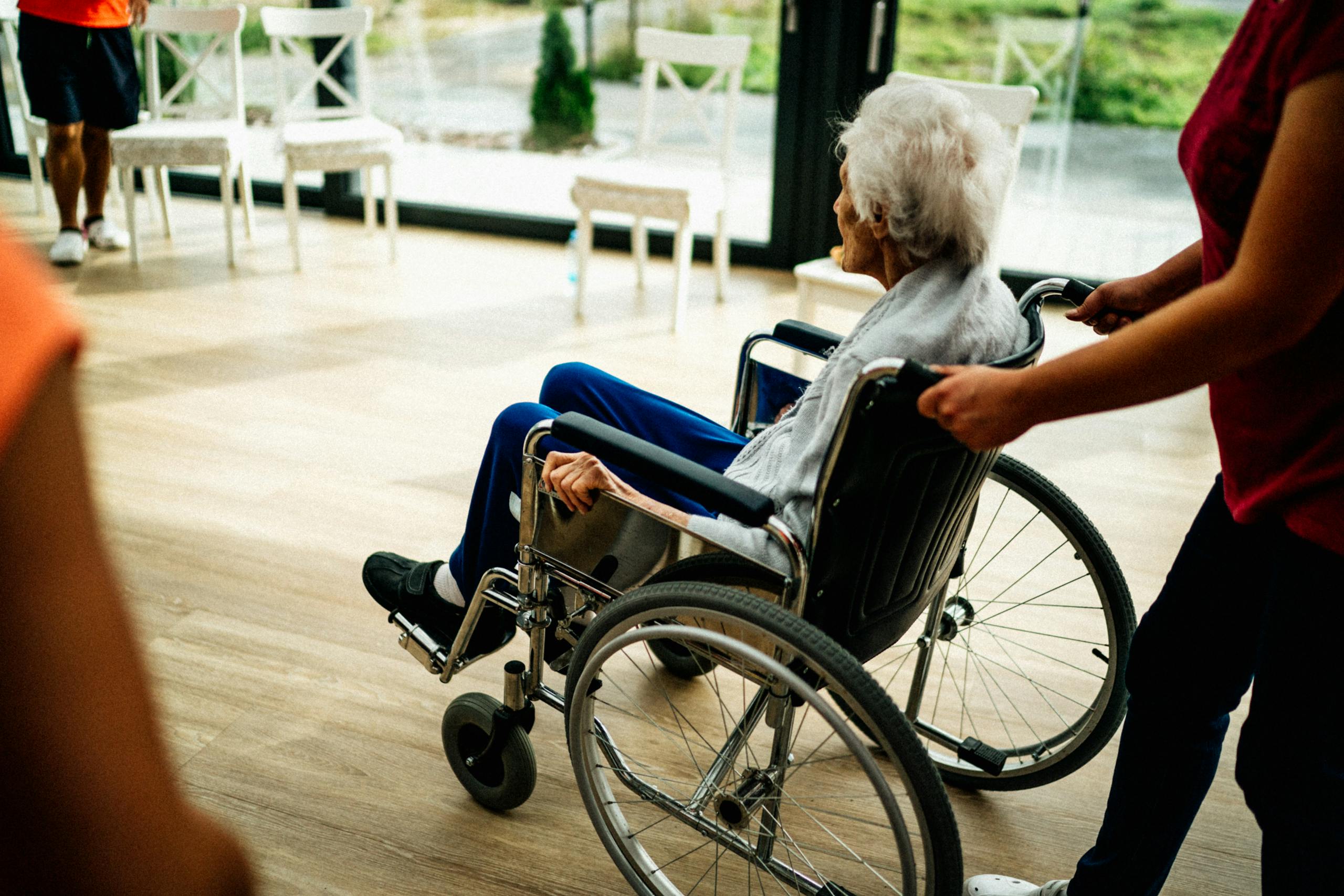
The Supplemental Nutrition Assistance Program (SNAP) generally groups people who live together and regularly purchase and prepare meals together into one household. Their income and resources are then considered when determining eligibility and benefit amounts. There are, however, exceptions for certain older adults with disabilities.
Under federal SNAP rules, an individual aged 60 or older who cannot purchase and prepare meals separately because of a qualifying permanent disability may be considered a separate household. The individual can also include their spouse in that separate household if they live together.
This means an older person may not automatically have to include every relative living in the same home on their SNAP application. The rule recognizes that some people have limitations that make shopping for groceries and preparing meals independently difficult or impossible.
The Disability Must Meet Specific Requirements
Turning 60 does not automatically qualify someone for this exception. The applicant must have a disability that prevents them from purchasing and preparing meals separately from the people they live with.
Federal regulations recognize disabilities considered permanent under the Social Security Act. They also recognize certain severe, permanent, non-disease-related physical or mental disabilities.
The distinction matters because simply having a medical condition or finding grocery shopping difficult does not necessarily meet the requirement. The disability must be serious enough to prevent the individual from independently purchasing and preparing meals.
Applicants should discuss their circumstances with their state SNAP agency, which determines whether their disability meets the program’s requirements.
The Income of Other Household Members Also Matters
Even when an older applicant meets the age and disability requirements, the income of other people living in the home can affect whether they qualify for separate household status.
Under federal regulations, the combined income of the other people living with the applicant must not exceed 165% of the federal poverty line. The applicant’s income and their spouse’s income are excluded when calculating this particular household separation limit.
This is an important distinction for older adults living with adult children, grandchildren, siblings, or other relatives. Their relatives’ income does not automatically disqualify them, but it must fall within the permitted limit.
If the income of the other household members exceeds that threshold, the older applicant generally cannot use this particular exception to establish a separate SNAP household.
Spouses Can Be Included in the Separate Household
SNAP generally requires married couples who live together to be considered part of the same household, even when they purchase and prepare their meals separately. The elderly and disabled household exception provides a specific arrangement for qualifying applicants.
An individual aged 60 or older who meets the disability requirements can include their spouse in the separate household. This means the couple can apply together without necessarily including other relatives who share their home.
For example, an older married couple living with their adult daughter may qualify to be considered a separate SNAP household if one spouse meets the disability requirements and the daughter’s household income falls within the permitted limit.
The exception does not mean the couple automatically qualifies for benefits. They must still meet the other applicable SNAP eligibility requirements.
Separate Household Status Does Not Guarantee SNAP Benefits
Being recognized as a separate household is only one part of the application process. Applicants must still meet the program’s financial and other eligibility requirements.
For households with an elderly or disabled member, SNAP has additional financial rules. For example, these households may qualify for deductions that are not available to every applicant, including deductions for certain medical expenses exceeding $35 per month.
Allowable medical expenses can include certain prescription costs, health insurance premiums, medical transportation, and other eligible healthcare expenses. These deductions can reduce a household’s countable income when determining eligibility and benefit amounts.
The amount of assistance a household receives depends on its income, allowable deductions, household size, and other applicable rules. Consequently, two older applicants with similar living arrangements may receive different benefit amounts.
Older Adults Can Apply Through Their State SNAP Office
People who believe they meet the requirements can contact their state SNAP agency to discuss their circumstances and begin an application. Applications are generally handled through state agencies, either online, in person, by mail, or through other available application methods.
Applicants should explain that they are 60 or older, have a permanent disability that prevents them from purchasing and preparing meals independently, and want to be evaluated under the separate household provision.
The agency may request information about the disability, household members, income, and financial circumstances. Having relevant medical documentation available can also help explain the applicant’s limitations.
Older adults should not assume they are ineligible simply because they share a home with relatives. The special SNAP household rule exists to account for situations like these, although each application must be evaluated against the applicable requirements.