Gift cards sit at the top of the 2026 holiday wish list. In a National Retail Federation survey, 47 percent of holiday shoppers named gift cards as something they want to receive, edging out clothing at 44 percent.
The survey, run in early October, also shows a shopper who is watching the budget. For anyone who cooks, buys groceries or eats out, that makes a restaurant or supermarket card one of the easier presents to give and use.

What the survey found
The National Retail Federation (NRF) said Prosper Insights & Analytics surveyed 8,094 adult consumers from Oct. 1 to 7, 2026, with a margin of error of plus or minus 1.1 percentage points. The results were published in an NRF press release on winter holiday shopping.
The wish list had four entries. Gift cards led at 47 percent and clothing followed at 44 percent. Books and other media came in at 25 percent, and personal care or beauty items at 24 percent. The gap between the top two is only 3 points, so the two categories are close to a tie once the margin of error is counted.
NRF did not break out food or restaurant gifts in the release. The release lists gift cards as a single category, so the survey does not say how many of those cards are for a restaurant, a coffee shop or a grocery store. A checklist of 6 gift card mistakes to avoid this holiday season covers the buying side.
Why affordability shapes the list
NRF said 56 percent of holiday shoppers expect the economy to affect their spending plans. Among those shoppers, 43 percent plan to shop sales more often, 31 percent will compare prices online more often and 29 percent will use coupons more often.
NRF Vice President Allison Zeller said “with affordability top of mind, holiday shoppers are taking a thoughtful approach to spending.” The group’s separate forecast projects November and December holiday sales growth of 4.2 percent over 2025, for a total of $1.013 trillion.
Timing matters too, as the Thanksgiving table is part of the season, and some of its quirks are covered in 14 strange Thanksgiving traditions. NRF reported that 43 percent of shoppers plan to start before November, and 64 percent are likely to do most of their shopping over Thanksgiving weekend, a habit that early finishers avoid by wrapping up sooner. Online stores lead the list of places to shop at 53 percent, followed by grocery stores and discount stores at 43 percent each, and department stores at 42 percent. Readers weighing the budget side can find more ideas in these frugal living tips.
Where food fits in
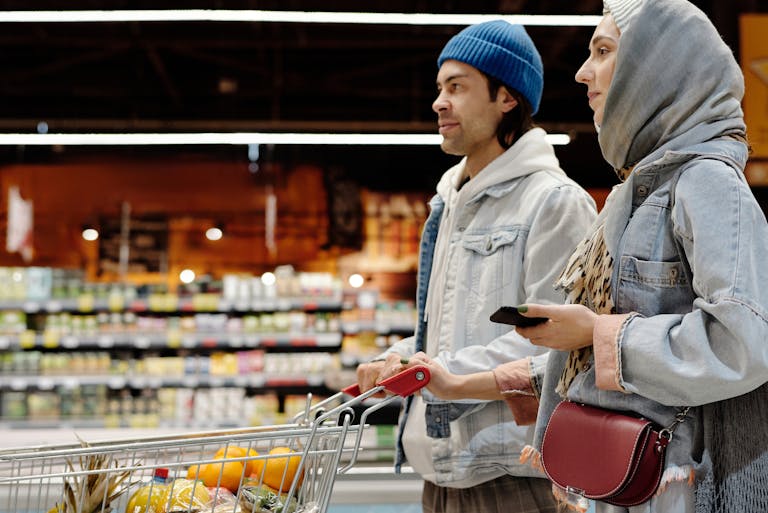
Grocery stores at 43 percent are tied for second among the places shoppers plan to visit, which means a supermarket card can be redeemed in a store that many people already have on the list. Restaurant cards work differently. According to Wikipedia’s overview of the product, restaurant cards are typically closed loop cards, meaning they can be spent only with the business that issued them.
That detail is worth knowing before choosing. A card for a local diner or a favorite chain suits a person who eats there regularly. A grocery card is the flexible option for a household that is trying to stretch the weekly shop. A look at foods that some shoppers skip at Walmart shows how much opinion there is about where to spend a grocery budget.
Food prices explain part of the appeal. The Department of Agriculture’s Economic Research Service said in its October 2026 outlook that food away from home is forecast to rise 3.5 percent in 2026, while food at home is forecast to rise 2.3 percent and all food 2.8 percent. A card toward either bill is a practical gift when both keep climbing.

A short history of the gift card
The plastic card is newer than many shoppers assume. Wikipedia’s account says Neiman Marcus introduced a gift card system in late 1994, and Blockbuster Entertainment became the first company to use the cards on a wide scale, test-marketing them in 1995 and launching nationally in 1996. Kmart and Mobil followed with cards of their own.
Federal rules now govern them. The same Wikipedia article says the 2009 Credit CARD Act bars expiration dates earlier than five years after the card is issued or funds were last added. It also says dormancy or inactivity fees can be charged only after 12 months without use, and no more than one fee can be charged per month.
Cards that go unspent
Receiving a card is no sign it will be used. Wikipedia cites an estimate that about 10 percent of cards go unredeemed, and a Consumer Reports survey that found a quarter of recipients had not spent a card a year after receiving it. Reasons include lost cards, fees and recipients who are simply not interested in the store.
That is one argument for matching the card to the person. A card from a place the recipient already visits has a better chance of being spent than a broad one picked at random. The Economic Research Service also maintains its Food Expenditure Series, which tracks the value of food acquired by type of product and outlet, split between food at home and food away from home, a reminder of how large both categories are for households.
For shoppers who fall in the 64 percent planning a Thanksgiving weekend spree, the timing of card purchases can matter. Cards bought early are easy to tuck into a stocking. Shoppers who finish early get the most time to check each card and receipt.
The numbers add up to a simple picture. Nearly half of holiday shoppers say a gift card would be welcome, clothing is close behind, and the economy is shaping how people spend. For food lovers, that can mean a restaurant card, a grocery card or a coffee card, each aimed at a table the recipient already sets or sits at.
This article was produced with AI assistance and edited for accuracy against the sources linked above.
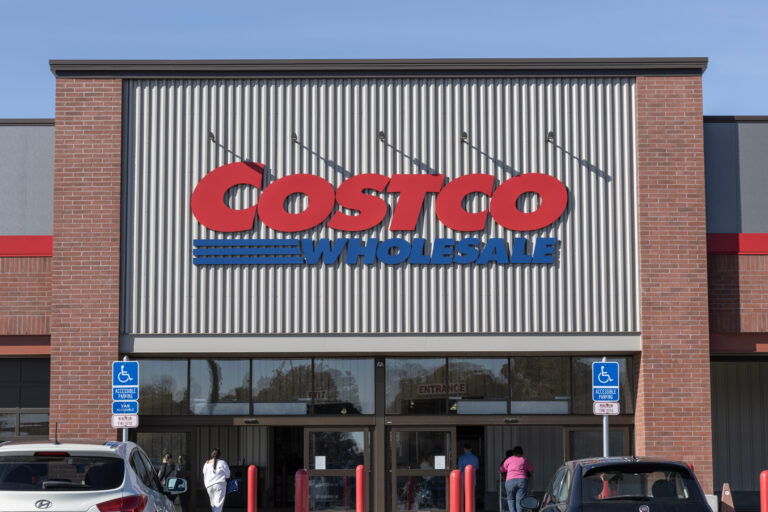
Image: Mike Mozart – CC BY 2.0/Wikimedia Commons