Cracker Barrel opened its first restaurant on Sept. 19, 1969, near a highway exit outside Lebanon, Tennessee. The spot sat at the Gallatin Highway 109 exit by Interstate 40, and it began as a way to sell more gasoline.
More than half a century later, the chain runs hundreds of restaurants and still puts a wooden peg game on every table. Here is how a roadside country store grew into a national name.

The first store at the Lebanon exit
The company was founded by Dan Evins, who worked with Shell Oil, together with Tommy Lowe, according to the Wikipedia article on Cracker Barrel. Evins created the restaurant and gift store concept in 1969 as a way to boost gasoline sales. Encyclopedia.com’s company history says he borrowed $40,000 to build a gas station, restaurant and gift shop combination along an interstate outside Lebanon, and that it turned a profit within a month.
Lebanon is the county seat of Wilson County, about 25 miles east of downtown Nashville. The city had 38,431 residents at the 2020 census, and Interstate 40 runs south of town with three exits, according to the Wikipedia entry on Lebanon. The company still has its corporate headquarters there.
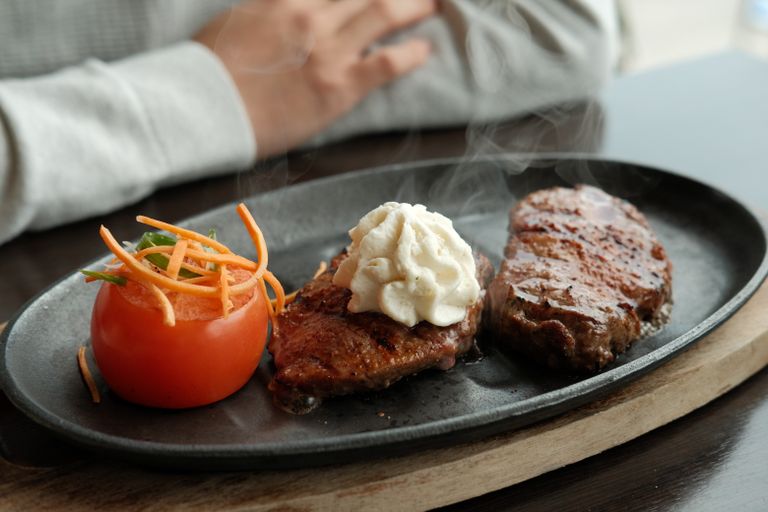
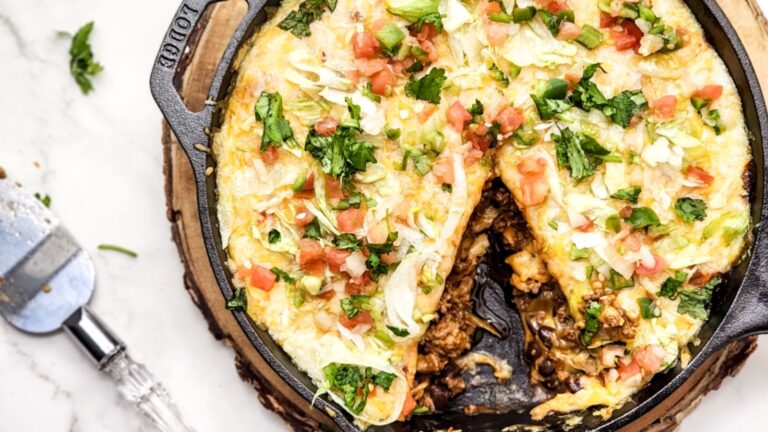
The first menu was short and Southern: biscuits, grits, country ham and turnip greens. Fried chicken and catfish became staples later. Evins modeled the store on the traditional country store he remembered from his childhood, and the name was chosen to suggest a Southern country theme. A look at 24 phrases only Southerners use gives a sense of the region it grew from, and a roundup of 9 diner classics Americans still order again and again shows how many similar dishes remain on menus across the country.
Why a highway exit made sense
The location was no accident. President Dwight Eisenhower signed the Federal-Aid Highway Act in June 1956, launching the Interstate system, which now stretches 48,890 miles, according to the Wikipedia article on the Interstate Highway System. Highway travel created demand for more service stations, motels, restaurants and attractions, the same article notes.
Roadside dining had a head start. Howard Johnson’s began in 1925 with a pharmacy in Quincy, Massachusetts, and by 1954 had about 400 restaurants in 32 states, one of the first nationwide restaurant chains, according to the Wikipedia entry on Howard Johnson’s. Cracker Barrel borrowed the same logic of meeting travelers where they stopped, but swapped orange roofs for rocking chairs.
Anyone who grew up on family road trips will recognize the appeal. A reliable stop with a big breakfast and a shop to browse was a relief on a long drive, a feeling that comes through in a list of 10 giant roadside attractions still drawing road-trippers.
Families planning winter drives to see relatives can pick up pointers in 15 tips for surviving road trips with a dog.
Gas pumps out, restaurants in
The early stores were built on gas station sites with pumps on the property. According to Wikipedia, new locations in the mid-to-late 1970s were built without pumps because of fuel shortages. Encyclopedia.com adds that by 1974 the chain had 10 profitable units along interstates, that gasoline sales were less profitable than food and retail, and that gas service had been removed from all locations by the late 1980s.
Evins incorporated the company in February 1970 and sold half of it to local businessmen to fund a second location. The company went public on the NASDAQ exchange in 1981, as high interest rates threatened growth. It operated 27 units across six southeastern states in 1983 and 53 stores in eight states by 1987.
The chain’s own blog, Cracker Barrel Insider, collects stories about its food and traditions for customers. Southern breakfast staples have a long following, as a list of 12 breakfast classics that deserve a comeback shows.

The peg game and the porch
Two details define the look of the chain. Every table has a wooden peg solitaire game, and every porch has rocking chairs. The decor uses authentic artifacts, and antique dealers Don and Kathleen Singleton decorated the first store, per Wikipedia. Their son Larry later took over the role and retired in 2019.
The peg game is a 15-hole triangular board with five pegs on each side, according to the Wikipedia article on peg solitaire. Pegs jump over each other into empty holes, and the jumped peg is removed. Peg solitaire itself is older than the chain by centuries, with the earliest printed reference appearing in the French magazine Mercure galant in August 1697.
How big the chain became
The concept proved easy to repeat. Each new store paired the same menu, the same gift shop and the same porch, which let the company grow from a single exit in Tennessee to interstate corridors across the Southeast and beyond.
As of Aug. 10, 2023, Cracker Barrel operated 660 stores in 44 states, according to Wikipedia, which cites a 2025 figure of 657 locations. Evins led the company until 2001. That growth began with one building near a highway exit in a Tennessee town of a few dozen thousand people.
What the opening date tells travelers
The Sept. 19, 1969, date marks the start of a model that blended a restaurant with a retail shop and put both beside a highway. That combination remains the chain’s signature, and visitors still walk through a gift store to reach the dining room.
For a traveler on Interstate 40 near Lebanon, the story is easy to follow in person. The company’s headquarters are in the same town where the first store opened.
This article was produced with AI assistance and edited for accuracy against the sources linked above.
Image: Missvain – CC BY 4.0/Wikimedia Commons