Before throwing yesterday’s dinner into the trash, Grandma probably had a few ideas about what to do with it. A little stale bread could become breadcrumbs, cold mashed potatoes could turn into crispy cakes, and leftover meat could find a second life in a hearty pan of hash.
For many older home cooks, making the most of food was simply part of running a kitchen. It was about using ingredients wisely, stretching meals, and finding creative ways to make something new from what was already available.
These tricks were not necessarily invented during the Great Depression, either. American cookbooks were documenting many of them long before the 1930s. Some even appeared in household cooking guides published during World War I.
Today, when food waste remains a major concern, these old-fashioned ideas are still worth knowing. Here are seven clever ways earlier generations turned leftovers into something worth eating.
Turned Stale Bread Into Homemade Breadcrumbs and Croutons
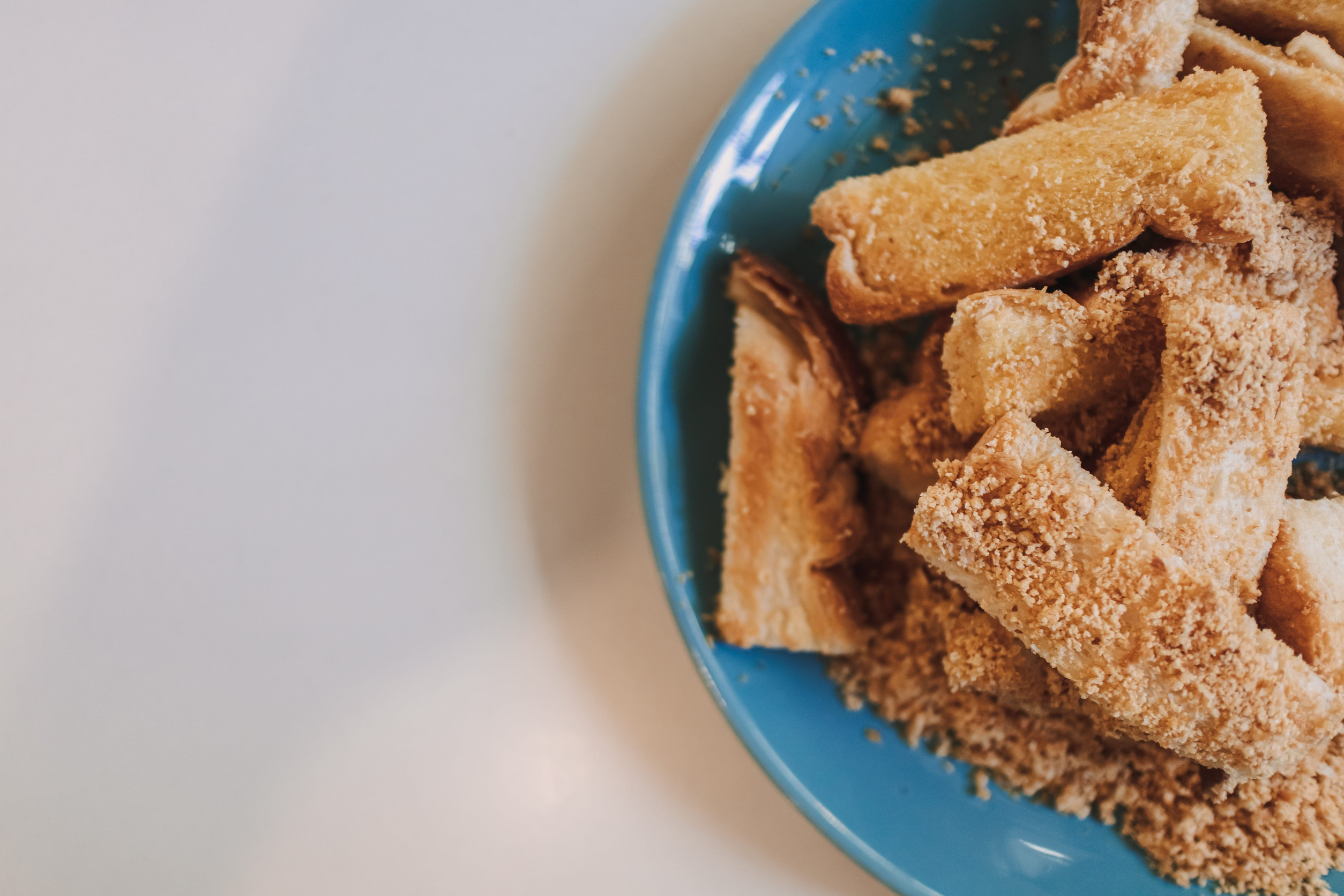
A loaf of bread that had lost its softness did not automatically become garbage in an old-fashioned kitchen. If the bread was still sound and free from mold, it could become a useful ingredient for another meal.
In her 1917 cookbook Better Meals for Less Money, Mary Green explained how cooks could dry leftover bread crusts, roll them, and sift them into breadcrumbs. These could later be used in different dishes. Leftover slices could also be cut into croutons, while bread pieces could go into stuffing and puddings.
The USDA continued recommending similar ideas in its 1968 household guide, Family Fare: Food Management and Recipes. It listed French toast, bread pudding, stuffing, croutons, and dry crumbs as possible uses for leftover bread.
The clever part was that different pieces of bread had different purposes. Rather than expecting dry bread to taste like a fresh slice, cooks used it differently.
One important reminder: Moldy bread should be discarded, not trimmed and repurposed.
Saved Bones and Vegetable Scraps for Homemade Stock
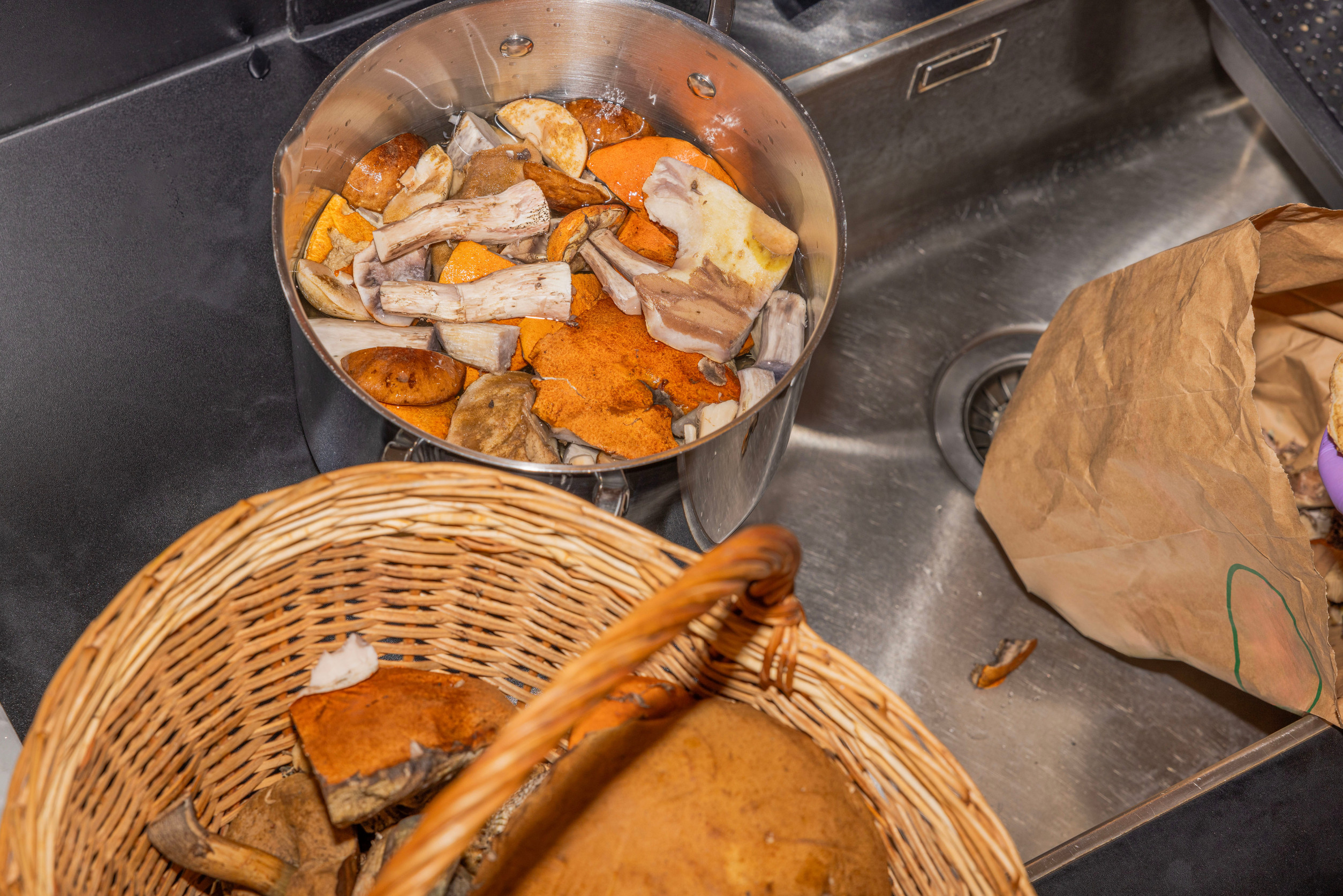
What looks like kitchen waste can sometimes become the beginning of another meal. That was the thinking behind the traditional stockpot.
After preparing meat, cooks could save suitable bones, meat trimmings, celery tops, and other usable vegetable remnants. Instead of throwing everything away, they combined these ingredients with water, vegetables, and herbs to make stock.
Mary Green documented this method in her 1917 cookbook. Her instructions included using cooked and uncooked bones, leftover meat, gravy, and vegetable trimmings. She recommended simmering the ingredients before straining the liquid for later use in soups and sauces.
The idea is still practical today. Modern university extension guidance also recommends saving suitable vegetable peels and meat trimmings for broth, including freezing scraps until they are needed.
It is a simple way to get more flavor from ingredients already in the kitchen.
Just remember to cool prepared stock promptly in shallow containers and refrigerate it safely. Don’t leave a large pot on the counter for hours.
Turned Cold Mashed Potatoes Into Golden Potato Cakes
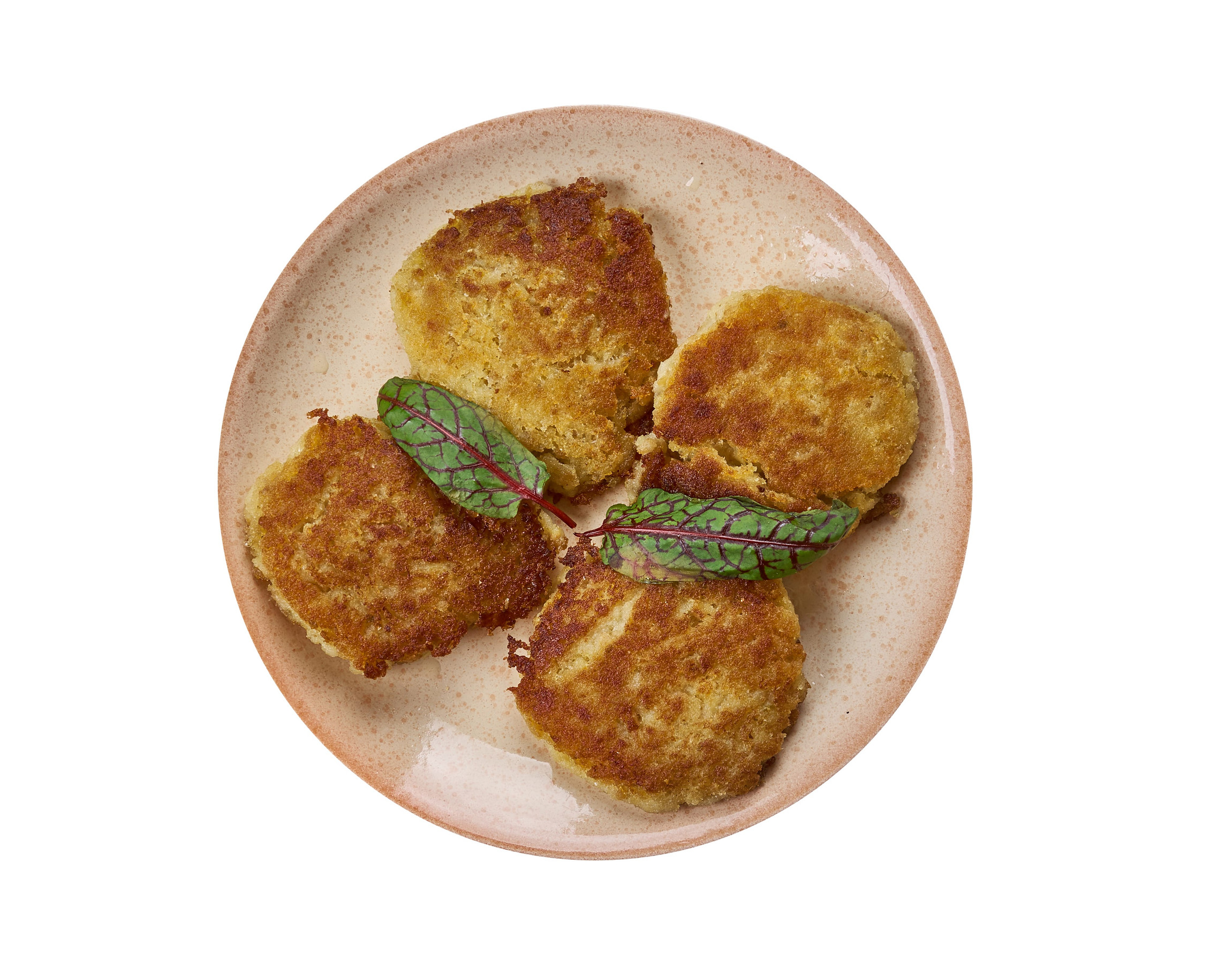
Cold mashed potatoes can be a little awkward to serve again. They may not have the same creamy texture they had when freshly prepared, but that does not mean they have lost their usefulness.
Older cooks had another idea: turn them into potato cakes.
A nineteenth-century edition of Marion Harland’s The Dinner Year-Book includes instructions for shaping cold mashed potatoes into flat cakes, coating them with flour, and frying them in cooking fat. The USDA’s 1968 Family Fare also lists potato patties as one way to reuse cooked potatoes.
The basic idea is straightforward. Shape properly refrigerated mashed potatoes into small, flat portions, prepare them according to a suitable recipe, and brown them in a pan.
The result is a different side dish with a golden exterior, not another serving of reheated mashed potatoes.
Interestingly, this practice was documented long before the Great Depression. It reminds us that creative leftover cooking didn’t begin in the 1930s.
Added Cold Cooked Rice to Waffle Batter
Most people think of leftover rice as something to reheat or turn into fried rice. However, early American cookbooks reveal another interesting possibility: rice waffles.
Fannie Merritt Farmer’s 1910 revised edition of The Boston Cooking-School Cook Book includes a recipe for rice waffles made with two-thirds of a cup of cold cooked rice.
The instructions call for combining the rice with the dry ingredients before adding milk, egg yolk, and melted butter. The recipe incorporates a stiffly beaten egg white later in the process.
The 1918 cookbook Foods That Will Win the War and How to Cook Them also includes rice waffles made with cold boiled rice, alongside rice griddle cakes.
This gave cooks another way to use cooked grains instead of serving the same rice dish twice.
However, rice requires particular care. Refrigerate it promptly after cooking because bacteria in improperly stored rice can produce toxins that reheating may not destroy. Always use rice that has been handled and stored safely.
Combine Cold Meat and Vegetables Into Hearty Hash
A little leftover meat and a few cooked vegetables might not look like much on their own. Put them together, however, and you can have the makings of another filling meal.
This is where hash comes in.
Rufus Estes included a recipe called “Hash With Dropped Eggs” in his 1911 cookbook, Good Things to Eat as Suggested by Rufus.
His recipe called for cold cooked meat combined with chopped vegetables. The suggested mixture included potatoes, beets, and carrots. Gravy, stock, or hot water with butter helped moisten the ingredients before heating and browning.
The interesting finishing touch was adding eggs. Estes instructed cooks to make small depressions in the browned hash and place eggs in them.
The USDA’s 1968 household cookbook also recommended hash, patties, potpies, and casseroles as ways to use cooked meat.
It is a useful reminder that yesterday’s roast does not always have to become tomorrow’s identical dinner.
Saved Bacon Drippings for Another Dish
If you have ever wondered why some older recipes call for bacon drippings instead of ordinary cooking fat, there is a practical explanation.
Earlier home cooks often treated rendered cooking fat as another kitchen ingredient worth saving.
Mary Green’s 1917 cookbook specifically recommended straining and saving drippings. She identified bacon fat as useful for corn cakes, meat sauces, and soups made with peas, beans, or lentils.
The 1918 cookbook Foods That Will Win the War and How to Cook Them also included bacon fat in its Southern Spoon Bread recipe.
This was not simply about saving every last drop. Different fats could contribute different flavors to particular dishes.
The practice still appears in modern cooking. Saved bacon grease can add flavor to compatible savory recipes, provided it is handled and stored properly.
For a modern kitchen, strain out the bacon particles, place the fat in a covered container, and refrigerate or freeze it. Do not assume that because previous generations kept grease on the counter, that is automatically a safe storage method.
Gave Leftover Oatmeal a Second Life in Pancakes
A bowl of oatmeal left over from breakfast might not sound particularly exciting the following morning. But older cookbooks had a way of making cooked cereal useful beyond its original purpose.
The 1918 cookbook Foods That Will Win the War and How to Cook Them specifically included oatmeal pancakes as a way to use leftover oatmeal.
The recipe combined cooked oatmeal with other ingredients, including flour, milk, egg, and melted fat, before cooking the mixture on a griddle.
Fannie Merritt Farmer’s 1910 revised cookbook also included oatmeal muffins made with cooked oatmeal.
These recipes show that leftover porridge could become something quite different from another bowl of breakfast cereal.
The idea has not disappeared completely, either. Modern recipes still use cold cooked oatmeal in muffins, showing that this old-fashioned approach can fit into today’s kitchen.
As with other cooked leftovers, refrigerate oatmeal promptly and use it within the recommended storage period.
Why These Old Kitchen Tricks Still Matter
These practices are worth remembering for a reason. They show how much creativity can go into everyday cooking when people pay attention to the ingredients they already have.
Food waste is still a significant issue in the United States. ReFED estimates that residential food waste reached approximately 23 million tons in 2024. Meanwhile, an EPA report published in April 2025 estimated that uneaten food costs American consumers an average of $728 per person annually, including food wasted at home and in food-service establishments.
That does not mean every family can eliminate food waste by making potato cakes or saving bread crusts. However, planning another use for suitable leftovers can help households get more value from what they buy.
Grandma’s kitchen wisdom was not necessarily about complicated recipes or expensive ingredients. Sometimes, it was simply about looking at yesterday’s dinner and seeing the possibility of another meal.