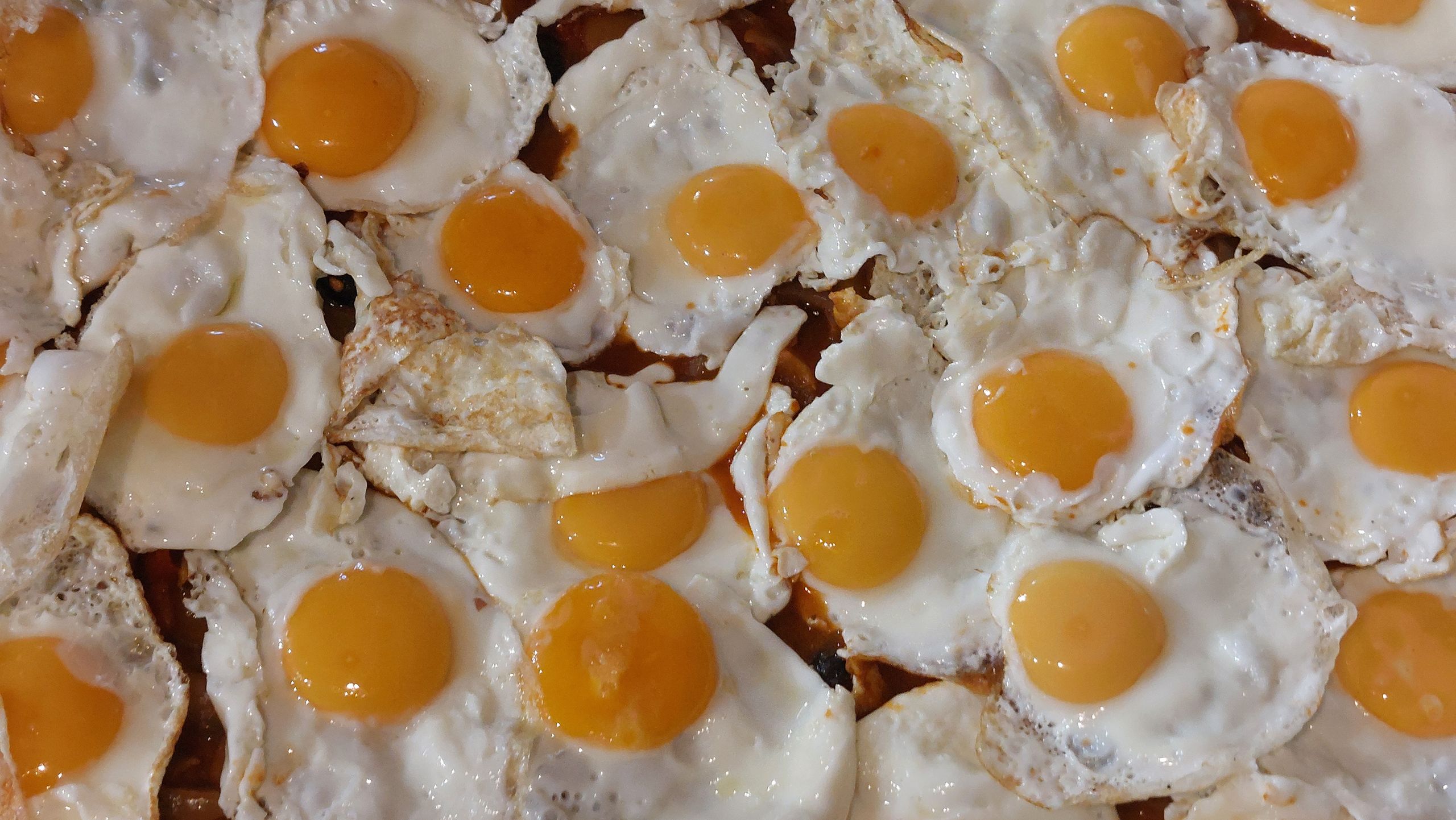
There’s something satisfying about cutting into a fried egg and watching the golden yolk spill across warm toast. For many Americans, that soft center is the whole point of breakfast. A firm yolk can feel like a cooking mistake.
But that familiar preference comes with a food safety tradeoff. Raw or undercooked eggs can carry Salmonella, a bacterium that causes foodborne illness. A runny yolk doesn’t mean an egg is contaminated, but it also doesn’t provide the reassurance of thorough cooking.
Understanding the difference can help you make better choices, especially when preparing breakfast for someone more vulnerable to illness.
A Clean Shell Doesn’t Guarantee a Safe Egg

An egg can look perfectly ordinary and still carry bacteria. The Food and Drug Administration warns that even fresh eggs with clean, uncracked shells may contain Salmonella.
That matters because appearance is often the first thing home cooks trust. We check the carton, inspect the shell, and assume an egg that looks fine is ready for whatever recipe we have planned.
Those checks help, but they cannot confirm an egg is free of Salmonella. A spotless shell should never be treated as permission to skip safe preparation.
Related: 7 Things That Happen to Your Body When You Eat Eggs Every Day
The Soft Center Is Where Preference Meets Precaution
Sunny-side-up eggs, soft-boiled eggs, and gently poached eggs are often prepared specifically to preserve a liquid center.
The FDA’s home cooking advice is straightforward: cook eggs until both the yolk and white are firm. Scrambled eggs should also be firm rather than runny.
This doesn’t mean every soft egg will make someone sick. It means an undercooked egg may leave a foodborne hazard uncontrolled if bacteria are present.
Enjoying runny eggs for years without getting sick doesn’t mean the next serving is safe. Experience can be emotionally reassuring, but it isn’t a safety test.
The Consequences Aren’t Equal for Everyone
Who eats the egg matters as much as the breakfast order.
According to the Centers for Disease Control and Prevention, people at increased risk of severe foodborne illness include adults 65 and older, children under 5, pregnant people, and people with weakened immune systems.
That makes a shared breakfast worth thinking through. The eggs you prepare for yourself may need a different approach when you’re feeding a toddler, an older parent, or someone undergoing medical treatment.
For young children, the CDC specifically identifies runny eggs as a riskier choice and recommends eggs with firm whites and yolks.
Symptoms May Arrive Long After Breakfast
Food poisoning doesn’t always announce itself before you leave the table.
The CDC says Salmonella symptoms usually begin six hours to six days after infection and typically last four to seven days. Diarrhea and stomach cramps are common; fever, nausea, and vomiting can also occur.
That delay can make the source difficult to recognize. Someone might blame their most recent meal even though the exposure happened days earlier.
Contact a healthcare professional for diarrhea or vomiting lasting more than two days, bloody stool, a fever above 102°F, or signs of dehydration. Those signs include little urination, very dark urine, and dizziness.
Pasteurized Eggs Offer Another Option
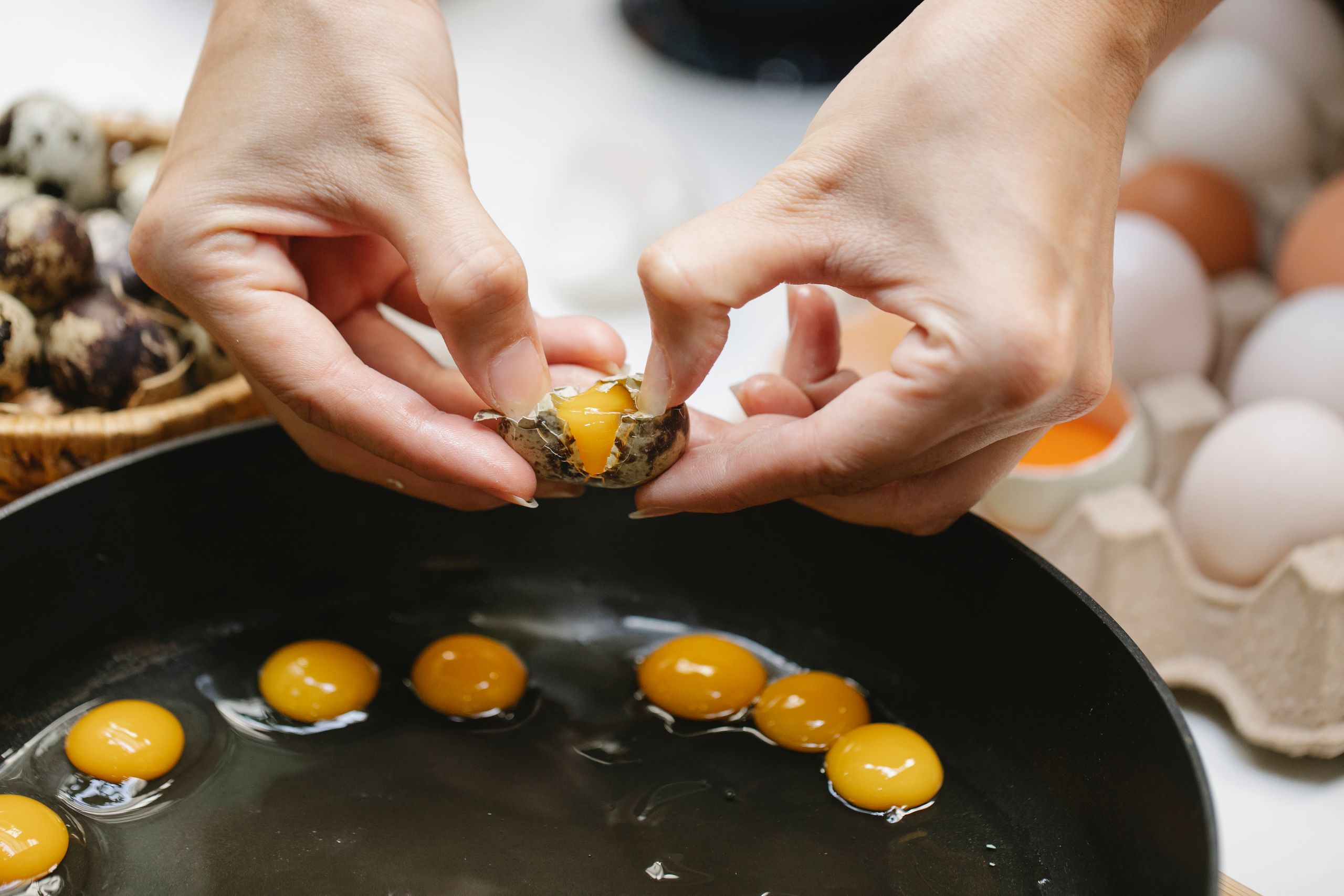
For recipes served raw or undercooked, the FDA recommends shell eggs treated to destroy Salmonella or pasteurized egg products.
Look for wording that specifically identifies pasteurization or an approved treatment. Don’t assume that a premium price or appealing carton design means the eggs received that treatment.
The FDA’s pregnancy guidance explains that pasteurized options include in-shell eggs and liquid egg products. Choose the form that suits your recipe, follow its instructions, and continue using careful handling practices.
Safer Breakfasts Start Before the Pan
Keep eggs refrigerated at 40°F or below, wash hands and utensils after contact with raw egg, and serve cooked eggs promptly.
When ordering breakfast, request firm yolks if you want to follow the thorough-cooking recommendation. At home, decide how you’ll prepare eggs before cracking them, especially when serving someone at higher risk.
Enjoying eggs begins with knowing what your preferred cooking style leaves unfinished.