Every friend group has that one person who walks like they’re late for a flight, even when nobody is in a hurry.
You leave the restaurant together, and within minutes, they’re several steps ahead. You’re still enjoying the conversation while they’re already approaching the next corner. Ask them to slow down, and they might insist they’re walking at their normal pace.
But why do some people naturally move faster than others?
Interestingly, walking speed has been linked to certain personality traits. A study involving more than 15,000 American adults found small associations between walking pace and characteristics such as extraversion, conscientiousness, and openness to experience.
However, personality tells only part of the story. Whether someone is alone, checking their phone, walking through a crowd, or passing tempting storefronts can also influence their speed.
Here are seven factors that help explain why some people seem to move through life at a faster pace.
They May Be More Extroverted
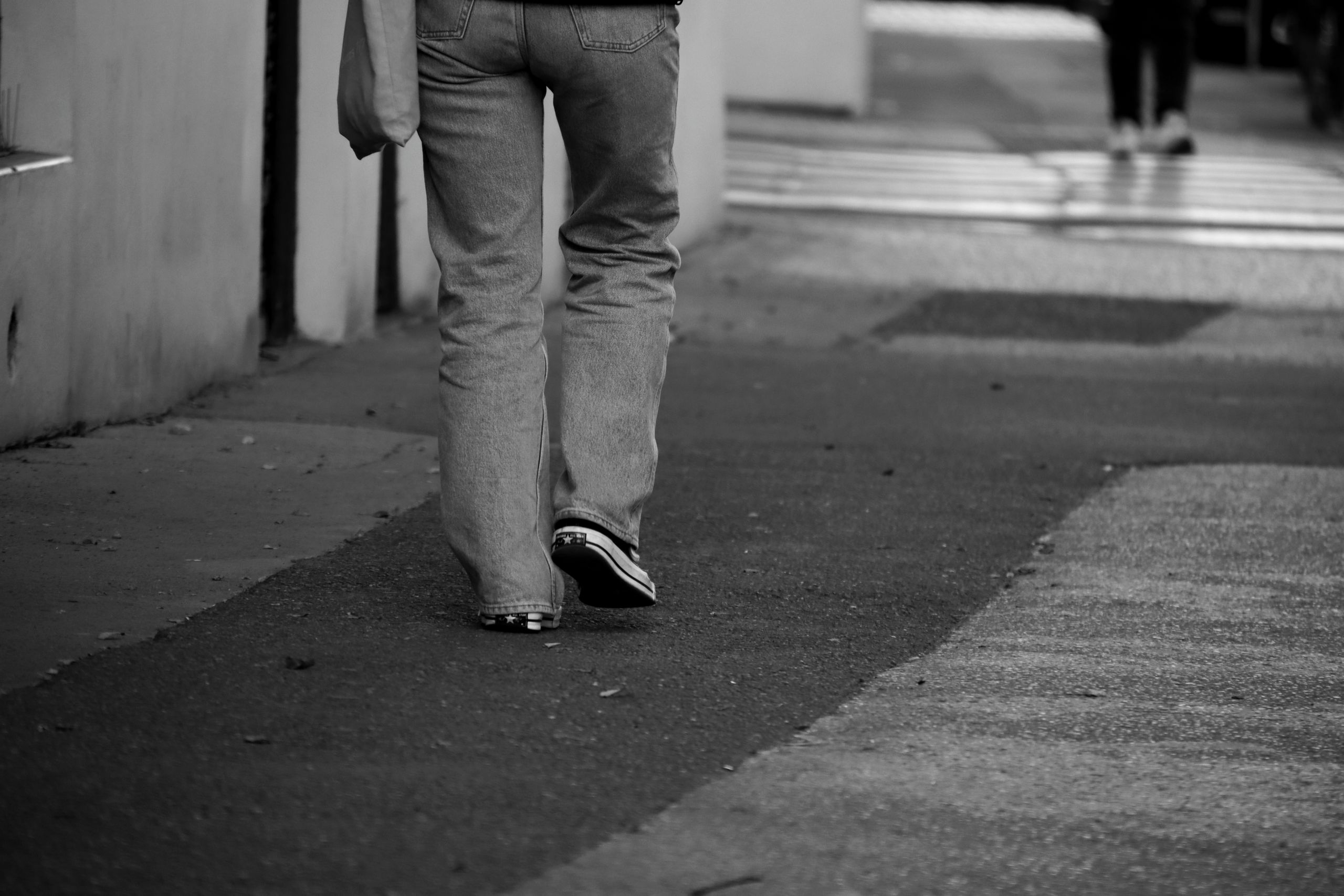
Being naturally outgoing is one personality trait researchers have linked to faster walking. Extraversion generally describes people who tend to be sociable, enthusiastic, and comfortable engaging with others.
In the study published in Social Psychological and Personality Science, researchers found that people scoring higher in extraversion tended to walk somewhat faster during later assessments.
The association was modest, meaning it doesn’t explain every fast walker.
Picture someone moving briskly between shops, chatting enthusiastically, and already thinking about the next destination. That scene fits the familiar outgoing personality stereotype, although the study didn’t establish that extroverted people behave this way during shopping trips.
The finding also appears in discussions of personality characteristics associated with naturally fast walkers. Still, walking quickly doesn’t prove someone is outgoing. A quiet person can move just as fast.
They May Have a Conscientious Personality
Organization and self-discipline are among the more consistent personality characteristics linked with walking speed. Conscientiousness describes a broad tendency toward planning, responsibility, and following through on tasks.
The same five-sample study found that higher conscientiousness was associated with faster walking. The relationship remained statistically significant across all five samples when the researchers considered the personality traits together.
Imagine someone heading out with several errands to complete. They know which stores they need to visit, what they’re purchasing, and where they’re going next.
That kind of purposeful movement makes an easy everyday illustration of conscientiousness, even though the study did not directly observe shopping habits.
It’s also interesting to compare fast walking with the different patterns behind people who are frequently running late, where time management can be more complicated than appearances suggest.
The important distinction is that walking quickly doesn’t automatically make someone punctual or productive. Researchers found an association, not a guarantee.
They May Be More Open to New Experiences
Curiosity and willingness to explore unfamiliar ideas also showed a connection with walking pace. Openness to experience is a personality dimension associated with interest in variety, unfamiliar activities, and new ideas.
Researchers found that people with higher openness scores tended to walk faster in the combined analysis, although the relationship varied across the five samples.
Imagine someone exploring an unfamiliar neighborhood. They’re interested in seeing what’s around the next corner and discovering what the area offers.
It’s an appealing illustration of openness, but it would be misleading to claim that curious people necessarily hurry through unfamiliar places.
In fact, curiosity could just as easily encourage someone to stop and investigate an interesting shop.
The research supports a modest statistical association, not the idea that fast walkers are automatically more adventurous, creative, or intelligent.
They May Be Walking Alone
Sometimes, the difference isn’t personality at all. It’s whether someone has to match another person’s pace. Think about how differently you walk when you’re alone compared with when you’re out with friends.
When you’re by yourself, you can move at your preferred speed. With companions, you may naturally adjust your steps to keep everyone together.
A 2024 systematic review of pedestrian walking-speed research found that walking in groups and engaging in social interactions generally reduced walking speed.
The researchers identified pace coordination as one explanation. That means someone who seems unusually fast while running an errand alone might move quite differently during a family outing.
It also explains why walking beside someone can feel completely different from pacing around the house during a phone conversation.
Neither behavior reveals a complete personality profile. The situation matters.
They May Not Be Looking at Their Phone
A person walking without checking messages may simply have fewer interruptions affecting their pace. Imagine two people walking toward the same destination.
One keeps looking down to read messages, check directions, or respond to notifications. The other continues moving without interacting with a phone.
Their walking speeds may differ even if their preferred pace is similar.
The 2024 pedestrian-speed review found that phone-related tasks generally reduced walking speeds in the studies it examined.
This doesn’t mean faster walkers are more disciplined or that they never use their phones. It simply suggests that what someone does while walking can affect how quickly they move.
The person who reaches the café first might not have a special personality trait. They may just have spent less time looking at a screen.
They May Have More Room to Move
Even someone who prefers a brisk pace can’t always maintain it in a crowded environment. Picture walking along an open sidewalk with plenty of space. Now imagine entering a busy shopping center where people stop, turn, and move in different directions.
The same person may walk at completely different speeds in those two settings.
Research summarized in the pedestrian walking-speed review shows that crowd density, obstacles, turns, and other environmental features influence how quickly pedestrians move. Crowded spaces can prevent people from maintaining their preferred pace.
This matters when interpreting someone’s behavior.
A person moving slowly through a busy market isn’t necessarily leisurely, just as someone moving quickly along an empty sidewalk isn’t automatically impatient.
Sometimes, the environment determines the pace more than personal preference.
Their Surroundings May Give Them Fewer Reasons to Stop
Where someone walks can influence whether they hurry toward their destination or slow down to explore. Consider the difference between walking down a quiet residential street and passing a row of restaurants with interesting menus displayed outside.
One setting may offer few reasons to pause. The other provides opportunities to browse, compare options, and decide where to eat.
A 2023 study of pedestrian movement along a commercial street in Wuhan, China observed differences in walking speeds between street segments.
Slower movement was associated with areas containing snack bars and restaurants, although the findings did not prove that the businesses directly caused people to slow down.
This reminds us that the same individual may move differently depending on the surroundings.
Someone heading directly toward a destination might walk briskly, while someone exploring menus or storefronts may take more time.
Neither pace automatically reveals their personality.
Walking Fast Doesn’t Tell the Whole Story
It’s tempting to see someone walking several steps ahead and assume they’re impatient, ambitious, confident, or always in a hurry. But the evidence suggests a more complicated picture.
Extraversion, conscientiousness, and openness have shown small associations with walking speed, while group interactions, phone use, crowding, and surroundings can also influence how people move.
The main personality study measured people walking at their usual pace over short courses. It didn’t establish that someone who overtakes their friends on the sidewalk has seven recognizable personality traits.
So before deciding that the fastest walker in your group is naturally impatient or exceptionally driven, consider the situation.
Sometimes, the person walking ahead isn’t trying to rush through life. They’re simply moving at their own pace.