A long road trip deserves good food. There’s something wonderful about opening a packed lunch at a scenic stop, sharing snacks with your passengers, or enjoying a homemade sandwich while the miles roll by.
But not every delicious food is a convenient traveling companion.
According to the USDA’s food-handling guidance, refrigerated foods should be kept at 40°F or below, while foods intended to remain hot should be held at 140°F or above. Its lunch-packing advice also recommends using at least two cold sources for perishable foods.
Those recommendations matter when you’re planning a journey with limited stops, a packed cooler, and hungry passengers.
Some foods require careful temperature control. Others create unnecessary mess, complicated cleanup, or disappointment when you finally open the container.
Here are eight foods that deserve extra thought before you pack them for the road.
Chicken or Tuna Salad: Delicious but Demanding
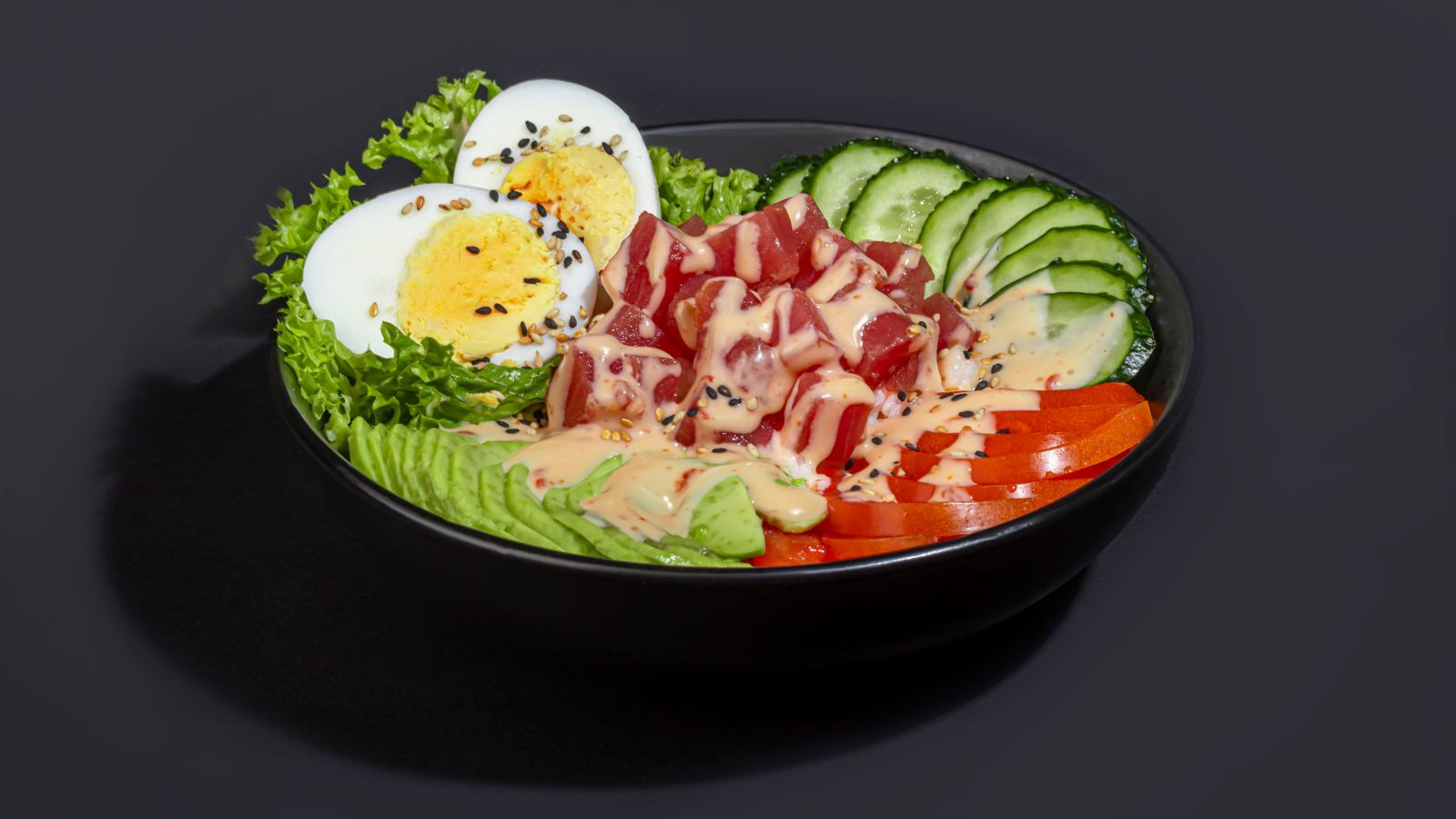
Chicken salad and tuna salad make wonderfully satisfying sandwiches. Their creamy texture and savory flavor can turn a simple lunch into something worth looking forward to. But they aren’t ideal for sitting in a regular bag during a long drive.
According to USDA food-packing guidance, prepared foods containing meat, poultry, or fish require reliable chilling during transport. That makes a properly packed cooler particularly important.
The concern isn’t simply the mayonnaise. It’s how the finished salad is stored.
If you have adequate refrigeration, there’s no reason to exclude these sandwiches from your travel menu automatically.
But without somewhere dependable to keep them cold, another lunch option may be more convenient.
Deli-Meat Sandwiches: Wrapping Isn’t the Same as Chilling
A neatly wrapped deli sandwich looks like the perfect road-trip lunch. No elaborate prep is needed, and the bread keeps everything together.
However, wrapping a sandwich in foil or paper doesn’t keep its filling refrigerated.
In its lunch-packing recommendations, the USDA advises using at least two cold sources when transporting perishable foods such as luncheon meats.
Those sources might be two frozen gel packs or a gel pack paired with a frozen water bottle. The key is maintaining the right temperature, not just choosing attractive packaging.
A properly chilled deli sandwich can still be an excellent picnic lunch. Just give the cooler as much attention as the sandwich filling.
Deviled Eggs: A Small Snack That Requires Planning
Deviled eggs have a certain old-fashioned charm. They’re familiar, easy to portion, and appealing on a picnic table. But transporting them requires more preparation than putting a covered dish in the car.
The USDA identifies eggs among perishable foods that should remain chilled during travel. That means a sturdy container solves only part of the problem.
Aroma is another issue. In a 1993 Sun Sentinel feature, travel-food writer Janet Groene identified hard-boiled eggs as a potentially unwelcome snack in a vehicle shared with other passengers.
Her observation was practical etiquette advice, not a scientific finding. Still, the point is worth considering.
If deviled eggs are your favorite travel treat, pack them with reliable cooling and plan to enjoy them during a stop.
Cut Melon: A Fruit Bowl Isn’t the Same as Whole Fruit
Fresh melon can be particularly appealing on a warm afternoon.
The colorful pieces look lovely in a container, and there’s no peeling or slicing left to do when you’re ready to eat. But preparing fruit ahead of time changes how it needs to be packed.
According to the FDA’s produce-handling guidance, refrigerate pre-cut produce, including cut melon. The agency also recommends choosing pre-cut produce that is already refrigerated or surrounded by ice when purchasing it. That’s different from carrying certain whole fruits.
So before filling a large container with melon cubes, make sure it has a place in the cooler.
Pre-cut fruit works best when you plan for its storage needs.
Raw Meat: Don’t Let Leaking Packages Ruin the Cooler
Not every road trip involves ready-to-eat food. Sometimes the destination includes a barbecue, a family gathering, or a meal that will be cooked after arrival.
That might mean transporting raw meat alongside other groceries. But placing everything together without proper packaging can create an unpleasant situation.
USDA guidance recommends keeping raw meat securely wrapped, chilled, and separated from foods that are ready to eat.
The practical reason is straightforward: you don’t want leaking meat juices reaching sandwiches, fruit, or other packed foods.
Use secure containers and organize the cooler so packages remain separated.
Raw meat isn’t automatically unsuitable for road travel. The difference lies in how thoughtfully you pack it.
Hot Soup: Better Enjoyed at a Proper Stop
A warm bowl of soup sounds comforting during a long journey. Unfortunately, a moving vehicle isn’t always the best dining room for a liquid meal.
Think about balancing the container, managing the spoon, opening the lid, and avoiding spills.
In her Sun Sentinel travel-food advice, Janet Groene identified hot soup as a particularly awkward car meal. There’s also the question of keeping it hot.
USDA guidance recommends using a properly preheated insulated container for hot foods and keeping the contents at 140°F or above.
The National Highway Traffic Safety Administration also identifies eating and drinking as activities that can distract drivers.
The simple solution? Save the soup for a proper roadside break. It deserves your attention, not a balancing act behind the steering wheel.
Sugar-Free Candy: Read the Ingredients Before Packing
Candy is one of those road-trip traditions that hardly needs an introduction.
It’s easy to share, requires little preparation, and fits conveniently into a bag. But sugar-free candy isn’t one single type of product.
According to the FDA’s explanation of sweeteners, some varieties use sugar alcohols such as sorbitol, mannitol, maltitol, and xylitol.
Other sugar-free products may use different sweetening ingredients. That makes the ingredient list worth checking before purchasing an unfamiliar variety.
If you’re planning a long journey with limited stops, sticking with snacks you already know and enjoy is practical. There’s nothing wrong with choosing sugar-free candy.
Just remember that similar-looking packages don’t necessarily contain the same ingredients.
Ripe Bananas: The Snack That Can Become a Squashed Mess
A banana seems like an almost perfect road-trip snack. It comes with its own peel, requires no utensils, and fits neatly into a lunch bag.
But there’s one weakness: it doesn’t appreciate being crushed.
Travel-food writer Janet Groene highlighted this problem in her July 1993 Sun Sentinel article, warning that bananas can bruise and soften during extended journeys. That’s a quality concern, not a reason to avoid bananas altogether.
A ripe banana packed beneath heavier containers may arrive looking considerably less appealing than when the trip began.
Fortunately, the solution is simple. Keep bananas protected from heavier luggage and plan to enjoy particularly ripe ones earlier in the journey. Sometimes careful packing makes all the difference.
The Best Road-Trip Food Is the Food You’ve Planned For
These eight examples reveal something important: a troublesome road-trip snack isn’t necessarily a bad food.
Chicken salad, deli sandwiches, eggs, and cut melon can work well when kept appropriately chilled. Raw meat needs secure packaging and separation. Soup is better enjoyed during a stop, while bananas benefit from protection against bruising.
The USDA’s temperature guidance provides a useful foundation for packing, but a journey’s length alone doesn’t determine whether a particular meal belongs in the car.
There’s no verified national study proving these are the eight foods travelers regret most.
The real secret to better road-trip eating is choosing foods that fit your storage space, travel schedule, and stopping plans. Because the best roadside meal isn’t necessarily the fanciest one.
It’s the one you can unpack, enjoy, and remember for all the right reasons.