A trip to the grocery store could look a little different for SNAP recipients in five states starting in 2027. Kansas, Missouri, Wyoming, Ohio, and Hawaii are preparing new restrictions on certain food and drink purchases made with Supplemental Nutrition Assistance Program benefits. Depending on where shoppers live, they may no longer be able to use their EBT cards to pay for soda, candy, certain desserts, or other sugary beverages.
The changes are part of a growing effort by states to encourage healthier food choices among households receiving federal food assistance. However, the rules are not identical everywhere, and some states have much longer lists of restricted products than others. The changes will also happen on different dates, giving shoppers and grocery stores time to prepare.
Five States Have Different SNAP Restriction Dates in 2027
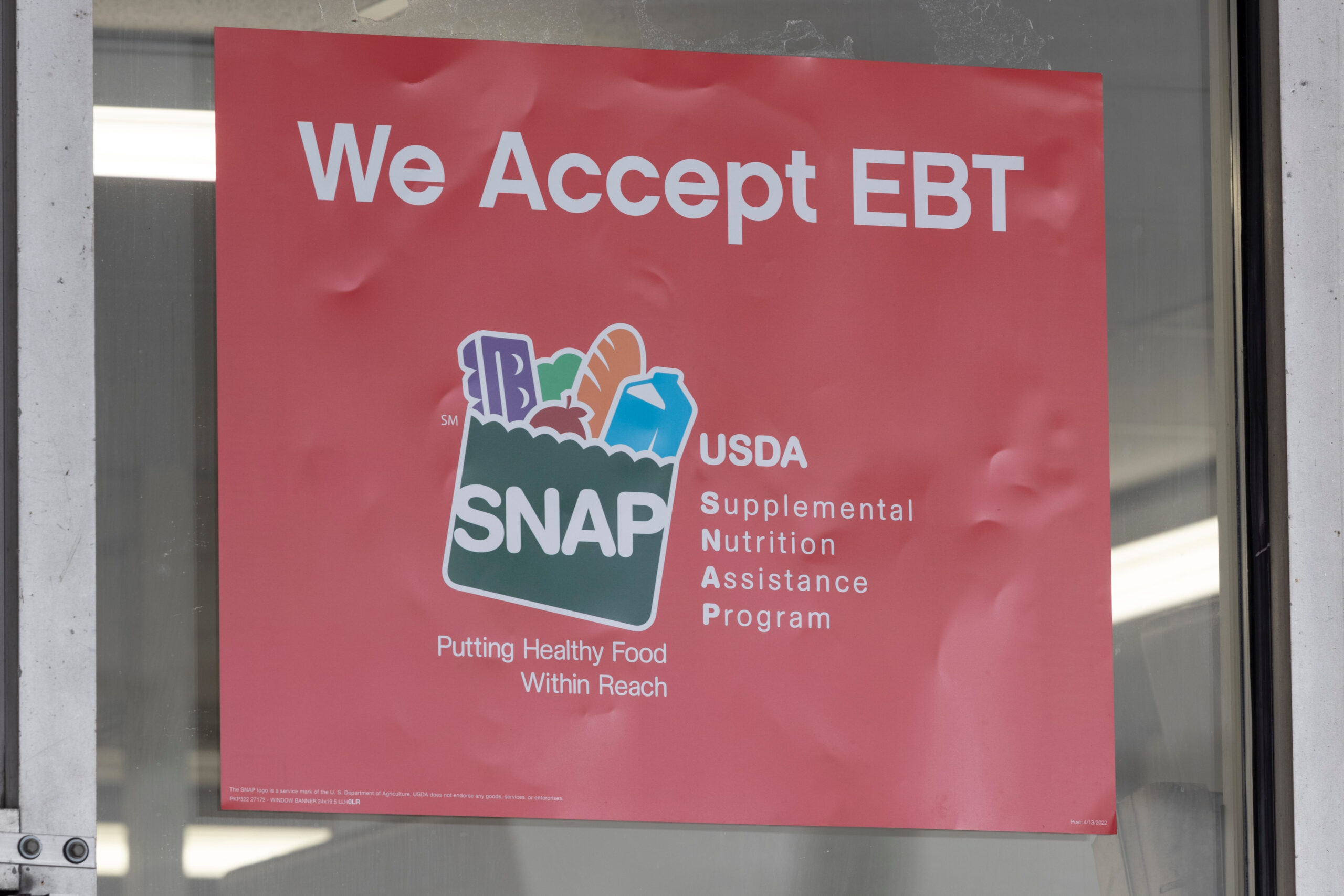
The five states have received federal approval for food restriction waivers, but their implementation schedules are not exactly the same. According to the U.S. Department of Agriculture (USDA), Wyoming is scheduled to introduce its restrictions first on February 1, 2027. Kansas and Missouri will follow on February 15, while Hawaii and Ohio are scheduled to begin on April 1.
These changes are part of state-specific demonstration projects that allow SNAP administrators to test restrictions on certain products. The waivers generally run for two years, although individual program details vary. For families receiving monthly food assistance, knowing the effective date is important because an item that qualifies for purchase today may no longer be eligible once the new rules take effect.
Kansas Will Remove Candy and Soft Drinks From Eligible Purchases
Kansas SNAP recipients will no longer be able to use their benefits to purchase candy and soft drinks beginning February 15, 2027. The restriction will also apply to households receiving SUN Bucks, a separate food assistance benefit for eligible school-aged children during summer. Kansas received USDA approval for its two-year food restriction demonstration project in March 2026.
The state’s definition of candy covers products made with sugar or other sweeteners combined with ingredients such as chocolate, fruit, or nuts in the form of bars, drops, or pieces. Soft drinks include nonalcoholic beverages containing natural or artificial sweeteners, with certain exceptions for milk-based drinks and beverages containing more than 50% fruit or vegetable juice. Regular grocery staples such as meat, vegetables, fruits, grains, and dairy products will remain eligible.
Missouri Has One of the Broader Restrictions
Missouri is taking a wider approach through its Healthy SNAP initiative, which is scheduled to begin February 15, 2027. The state plans to restrict candy, prepared desserts, and certain unhealthy beverages purchased with SNAP benefits. This means the changes go beyond the usual soda and candy restrictions shoppers may have heard about in other states.
The prepared dessert category includes several familiar grocery store treats, such as packaged doughnuts, brownies, cupcakes, cookies, snack cakes, muffins, pastries, pies, and pudding. Certain energy drinks and sweetened beverages will also be affected under the state’s approved definitions. Missouri originally planned an earlier implementation schedule but extended the launch to give retailers and program administrators more time to prepare.
Wyoming Will Focus on Sweetened Carbonated Beverages
Wyoming’s new SNAP restriction is narrower than Missouri’s. Starting February 1, 2027, recipients will no longer be able to use their benefits to purchase sweetened, carbonated beverages. This includes nonalcoholic drinks made with carbonated water and flavored with natural or artificial sweeteners.
The state’s restriction does not cover every beverage in the grocery store. Drinks containing milk or milk products, soy, rice, or similar milk substitutes are excluded, as are beverages containing more than 50% fruit or vegetable juice. Unlike Kansas and Missouri, Wyoming’s approved waiver does not specifically include a candy restriction.
Ohio Will Restrict Sugary Drinks and Fountain Beverages
Ohio SNAP recipients will face new beverage restrictions beginning April 1, 2027. The state originally planned to introduce the change in October 2026 but delayed implementation to give retailers more time to update their checkout systems. The approved waiver targets certain sugar-sweetened carbonated beverages and fountain drinks.
The definition focuses on drinks containing sugar, corn syrup, high fructose corn syrup, or similar caloric sweeteners as primary ingredients or, in certain cases, the second ingredient after carbonated water. This could affect familiar soft drinks purchased in grocery stores. Takeout fountain drinks will also be restricted under the new rules, although fountain drinks intended for consumption on the premises are already ineligible for SNAP purchases. Ohio’s waiver does not introduce a separate candy restriction.
Hawaii Will Restrict Soft Drink Purchases
Hawaii is also preparing a change, although its approved restriction focuses specifically on soft drinks. Beginning April 1, 2027, SNAP benefits will no longer be accepted for purchases of qualifying soft drinks. The state initially had an earlier implementation schedule but received federal approval to move the date to April 2027.
The restriction is intended to exclude certain sweetened beverages from the foods eligible for purchase through SNAP. It does not mean that every drink in a supermarket will become ineligible. Milk, qualifying juice products, and other beverages outside the state’s restricted definition will remain available for purchase with benefits. Hawaii’s waiver does not specifically prohibit candy purchases.
SNAP Benefits Will Still Cover Regular Grocery Essentials
Although the new restrictions will change what recipients can purchase, they will not automatically reduce the amount of assistance households receive. Eligible SNAP participants will continue receiving benefits according to their existing household circumstances and program eligibility. The changes concern which products qualify for payment through an EBT card, not whether someone can remain enrolled in the program.
Everyday grocery items such as fresh fruits, vegetables, meat, poultry, fish, bread, grains, and dairy products will remain eligible under the regular SNAP rules. Recipients can also continue purchasing seeds and plants that produce food for household consumption. The main difference is that certain products previously accepted at checkout will no longer qualify once each state’s restrictions become effective.
Grocery Stores Will Enforce the New Rules at Checkout
Shoppers will not need to memorize every restricted product before entering a supermarket. SNAP-authorized retailers are expected to update their checkout systems to identify products that are no longer eligible for purchase with EBT benefits. If a restricted item is included in a shopping cart, the system should prevent the SNAP portion of the payment from covering it.
Customers may still purchase those products using another accepted payment method. For example, someone buying groceries and a bottle of restricted soda could pay for the eligible groceries with SNAP benefits and use cash or a debit card for the soda. Retailers are also expected to receive guidance and update their systems before the changes take effect.
More States Are Experimenting With SNAP Food Restrictions
The five states are part of a much larger national movement to change how SNAP benefits can be used. The USDA has approved similar food restriction waivers in several other states, with different rules covering products such as candy, energy drinks, sweetened beverages, and prepared desserts. Some restrictions have already taken effect, while others are scheduled to begin later.
The growing number of state-specific rules means SNAP recipients may encounter different shopping restrictions depending on where they make their purchases. It also creates additional work for retailers that operate stores across state lines because their checkout systems must recognize different eligibility rules. For shoppers, checking their state’s official SNAP announcements before heading to the grocery store may become increasingly important.
What SNAP Recipients Should Know Before 2027
The upcoming changes do not mean that Kansas, Missouri, Wyoming, Ohio, and Hawaii are ending food assistance or cutting everyone’s monthly benefits. They are introducing different restrictions on selected products, with implementation dates spread across February and April 2027. Candy and prepared desserts will be affected in some states, while others are concentrating primarily on sugary drinks.
For households that rely on SNAP to manage their grocery budgets, understanding the exact rules can prevent surprises at checkout. The USDA and individual state agencies are providing information to help recipients and retailers prepare. Until the new dates arrive, existing SNAP purchase rules remain in place, subject to any restrictions already operating in each state.