Some houseplants seem to arrive with a decorating plan and a list of demands. Their leaves look beautiful beside the sofa, but keeping them that way can require more attention than a busy household wants to give.
That doesn’t make them bad plants. A plant that struggles in one living room may thrive in another. Still, there’s a difference between enjoying a little gardening and feeling responsible for recreating a tropical climate beside your television.
These five houseplants make my high-maintenance list because their care needs leave less room for casual watering and imperfect conditions. They’re gorgeous, but I would think carefully before bringing one home.
Calathea: The patterned beauty with particular tastes
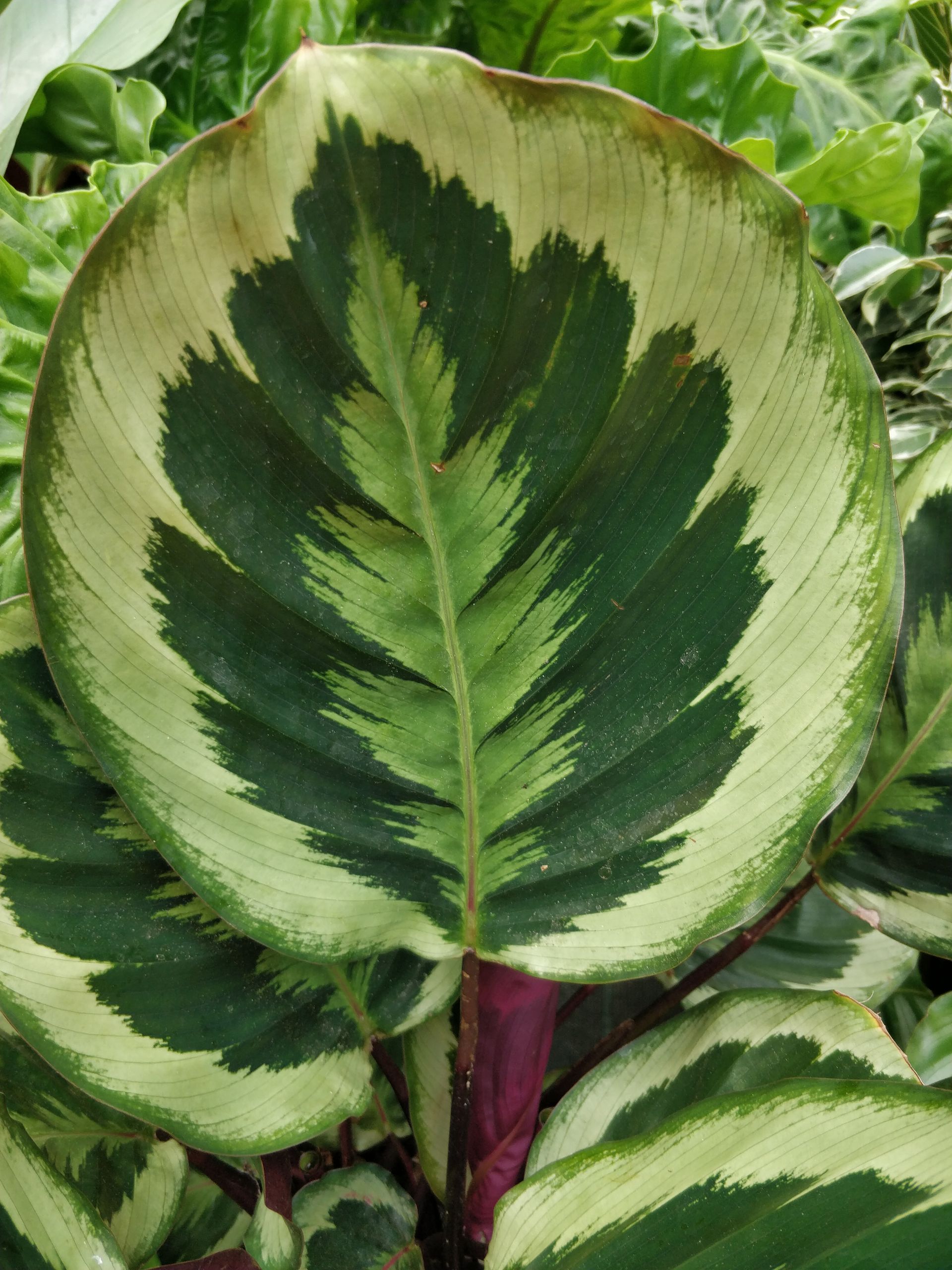
Calatheas have foliage that makes flowers seem unnecessary. Their stripes, contrasting colors, and intricate markings can turn a small pot into the most interesting thing on a shelf.
The challenge is keeping those leaves looking good. The Royal Horticultural Society recommends bright, indirect light, stable temperatures, high humidity, and evenly moist potting mix during active growth. Low humidity can cause brown leaf tips and edges, while roots left standing in water can rot. rhs.org.uk
That combination earns calathea its place here. You’re balancing light, moisture, and air conditions rather than simply remembering to water.
For someone who enjoys checking plants regularly, that may be satisfying. For someone who wants greenery to get on with things quietly, it sounds like another household assignment.
Related: 6 Flowering Houseplants That Bloom Year-Round
Maidenhair fern: Delicate leaves, demanding conditions
A maidenhair fern looks wonderfully soft and airy. Its tiny leaflets and fine stems bring a gentle texture that heavier houseplants can’t quite match.
Unfortunately, that delicate appearance comes with particular care needs. The New York Botanical Garden identifies low humidity as the most common reason these ferns fail indoors. It also explains that extra watering cannot make up for dry air. Bright, indirect light and consistently damp soil matter, too. libguides.nybg.org
This is where good intentions can become extra work. Reaching for the watering can doesn’t solve every problem, so you need to understand what the surrounding air is doing.
I would put this fern in the “buy only with a suitable spot already chosen” category. Its beauty deserves more planning than an empty corner and a hopeful guess.
Fiddle-leaf fig: The statement plant that needs the right address
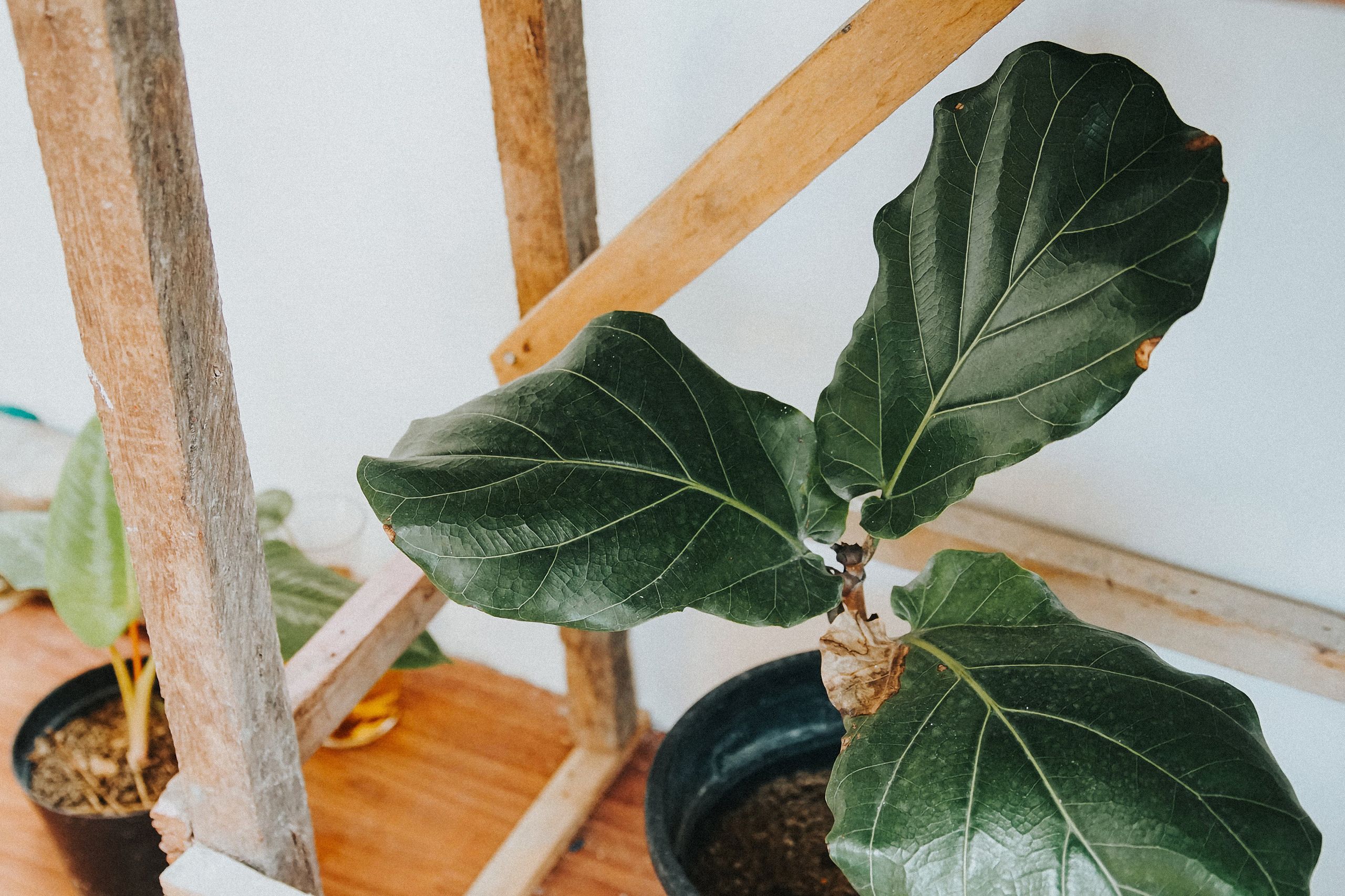
The fiddle-leaf fig makes a strong case for itself. Those large, sculptural leaves can give an ordinary room a polished, finished look.
But choosing its position involves more than deciding where it photographs best. RHS Plants recommends bright, indirect light; protection from drafts and heating vents; and watering when the upper soil has dried. Frequent moves or a position that is too dark can lead to leaf drop. rhsplants.co.uk
That limits its usefulness for anyone who enjoys rearranging furniture or has only one bright window.
My hesitation is practical: a large decorative plant should fit the room’s conditions before it fits the room’s style. Otherwise, the perfect finishing touch becomes a continuing search for a better location.
Gardenia: Fragrant flowers with a lengthy care list
Gardenias offer glossy leaves and fragrant white flowers. It’s easy to understand the appeal of having one indoors.
Their requirements are not effortless. The RHS recommends acidic potting mix, warmth, humidity, bright indirect light, regular feeding, and moist soil without waterlogging. It also acknowledges that keeping gardenias healthy long term can be tricky. rhs.org.uk
For me, the specialized potting mix is the first clue that this purchase needs thought. Add several environmental needs, and the plant starts feeling like a gardening project.
That might be exactly the pleasure an enthusiast wants. Someone shopping for an uncomplicated windowsill companion may find the commitment less appealing once the excitement of the flowers wears off.
Alocasia: Dramatic foliage that asks you to pay attention
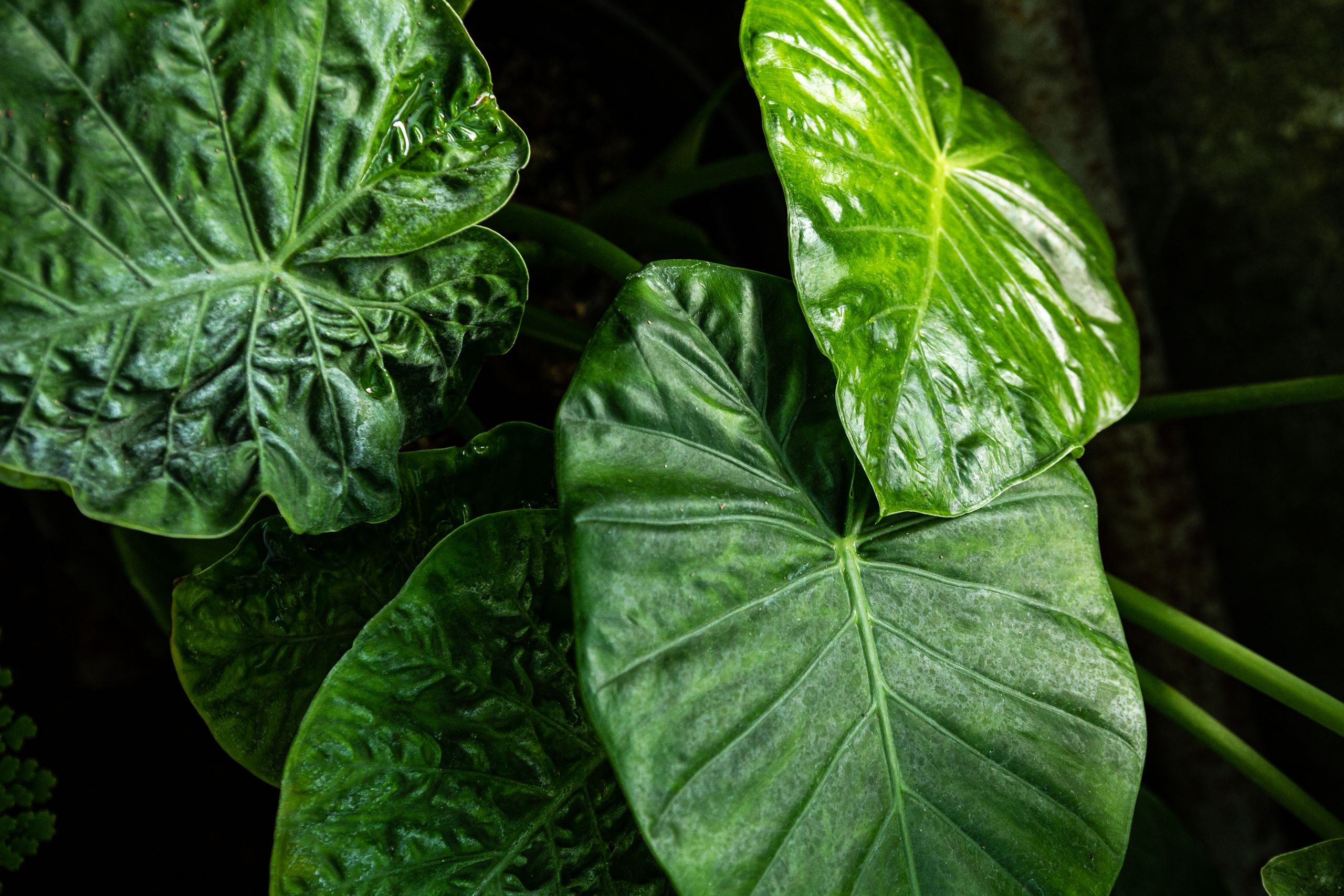
Alocasias bring striking shapes and bold leaf veins to a room. They’re hard to overlook.
Their care changes as they grow, however. The RHS recommends warmth, medium to high humidity during the growing season, and sharply reduced watering during winter dormancy; excess water while dormant can rot the roots. rhs.org.uk
A fixed watering routine therefore isn’t enough. You need to notice what the plant is doing and respond.
I’d choose an alocasia only if tending it sounded enjoyable. Before buying any of these five, I would ask one question: do I want this plant’s care routine as much as I want its leaves?