Getting help with groceries can make a real difference for households struggling with rising food costs. But for people receiving assistance through the Supplemental Nutrition Assistance Program (SNAP), there are rules about where and how benefits can be claimed. One rule carries a particularly serious consequence: recipients who deliberately misrepresent their identity or place of residence to collect benefits in two places at the same time can face a 10-year ban from the program.
The penalty is not a new nationwide crackdown or an automatic punishment for anyone who moves between states. It is already part of federal SNAP law and specifically targets fraudulent attempts to collect multiple benefits at the same time. Because states check eligibility and investigate suspected violations, understanding the rule matters for anyone who depends on food assistance.
Claiming SNAP Benefits in Two States Can Lead to Serious Consequences
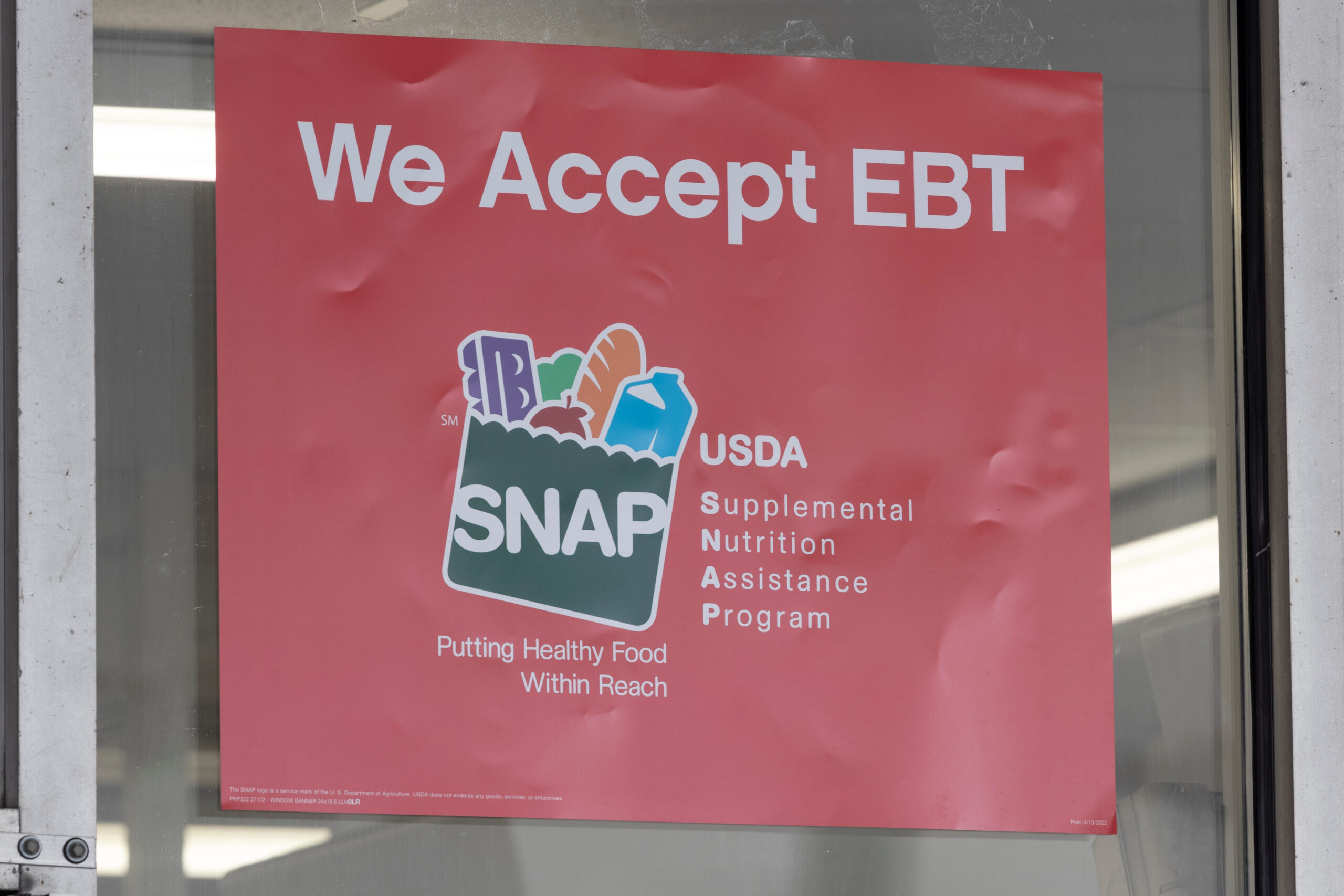
SNAP is a federally funded program that individual states administer to help eligible low-income households afford groceries. Although the federal government establishes the main rules, applicants generally apply through the state where they currently live. A person cannot legitimately collect separate SNAP benefits from two states for the same benefit month.
Under federal law, an individual who deliberately misrepresents their identity or residence to receive benefits in multiple places simultaneously can be disqualified for 10 years. The rule is outlined in Section 6(j) of the Food and Nutrition Act, codified under 7 U.S.C. Section 2015. It is designed to prevent people from receiving assistance twice by providing misleading information about who they are or where they live.
What Can Trigger the 10-Year SNAP Ban?
The rule focuses on intentional misrepresentation rather than ordinary mistakes. For example, someone who knowingly provides false residency information to obtain SNAP benefits in two states during the same month could face the penalty. Similarly, using misleading identity information to maintain multiple benefit claims can fall under the rule.
The important distinction is that the person must have made a fraudulent statement or representation to obtain multiple benefits simultaneously. Simply having an application open in two states does not automatically establish fraud. State agencies must investigate suspected violations and determine whether the circumstances meet the requirements for an intentional program violation.
Moving to Another State Does Not Automatically Mean Fraud
People move for work, family responsibilities, housing opportunities, and many other reasons. Someone receiving SNAP in one state may relocate to another and need to apply for assistance after settling into their new home. That situation is different from deliberately collecting benefits from both states at the same time.
However, recipients must ensure their previous case is properly closed or that they are removed from the old household’s benefits before receiving assistance through a new state. Administrative delays can sometimes leave duplicate records even after someone has moved. Federal guidance recognizes that duplicate participation does not automatically prove someone intended to commit fraud.
How States Check for Duplicate SNAP Benefits
State agencies use systems to identify people who may be receiving benefits from more than one household or state. These checks help administrators spot unusual records, investigate possible duplicate participation, and protect the program from intentional abuse. Information about applicants’ identities and residency can be reviewed as part of the eligibility process.
When a potential violation is identified, the state agency is responsible for investigating the circumstances. It may pursue an administrative disqualification hearing or refer the matter to the appropriate court. The investigation matters because two active records do not necessarily mean someone knowingly tried to collect benefits twice.
The 10-Year Ban Is Different From Other SNAP Penalties
SNAP has several penalties for intentional program violations, and they do not all carry the same consequences. Under general federal rules, a first intentional violation can result in a 12-month disqualification, while a second can bring a 24-month ban. A third violation can lead to permanent disqualification.
The rule involving fraudulent identity or residency claims to obtain multiple benefits is different. It carries a specific 10-year disqualification, rather than following the ordinary 12-month and 24-month progression. This makes it one of the more serious penalties recipients should understand when applying for or maintaining food assistance.
Only the Person Responsible for the Violation Faces This Disqualification
A SNAP investigation does not automatically mean everyone in a household loses access to food assistance. The federal rules distinguish between the individual found responsible for an intentional program violation and other household members who may still qualify.
For example, if one household member deliberately misrepresents their identity to collect duplicate benefits, that person’s eligibility can be affected without automatically disqualifying every other person in the household. The remaining members may still receive assistance if they meet the program’s eligibility requirements. This distinction matters for families who rely on SNAP to purchase groceries each month.
Recipients Should Report Changes and Keep Their Information Accurate
One of the simplest ways to avoid SNAP problems is to provide accurate information when applying or updating an existing case. Recipients who move should follow their state’s reporting requirements and contact the relevant benefits office to close or transfer their case. They should also avoid allowing another household to claim them while they are already receiving benefits elsewhere for the same month.
Keeping application records, notices, and communication with benefits offices can also help resolve misunderstandings. If a recipient discovers that two cases remain active because of an administrative error, contacting the relevant agencies promptly is a sensible step. Anyone facing an allegation of fraud should read the notice carefully and consider seeking legal assistance before agreeing to a disqualification.
What SNAP Recipients Should Know About the Rule
The 10-year disqualification is a serious consequence, but it is not something every recipient who moves or has duplicate records should automatically fear. Federal law specifically addresses fraudulent statements about identity or residence made to collect SNAP benefits in multiple places simultaneously. Intent matters, and suspected violations must be handled through the appropriate state procedures.
For households depending on food assistance, the safest approach is to keep residency information current, report changes as required, and ensure benefits are not collected from two states for the same month. A little attention to paperwork can prevent a complicated benefits problem later.