A freezer cleanout can feel like opening a time capsule of dinner plans. There is the roast intended for Sunday, the berries saved for baking, and a container that apparently entered storage without a label.
Before reaching for the trash bag, pause. An old package isn’t automatically a lost cause, and a frosty appearance doesn’t tell the whole story.
The useful distinction is between food safety and food quality. The FDA’s food-safety reference guide explains that properly handled food kept continuously frozen at 0°F remains safe during extended storage, although its flavor, texture, and appearance can deteriorate. Freezer burn itself is a quality issue.
That makes a cleanout less about clearing everything out and more about making informed decisions. Start with these familiar freezer residents.
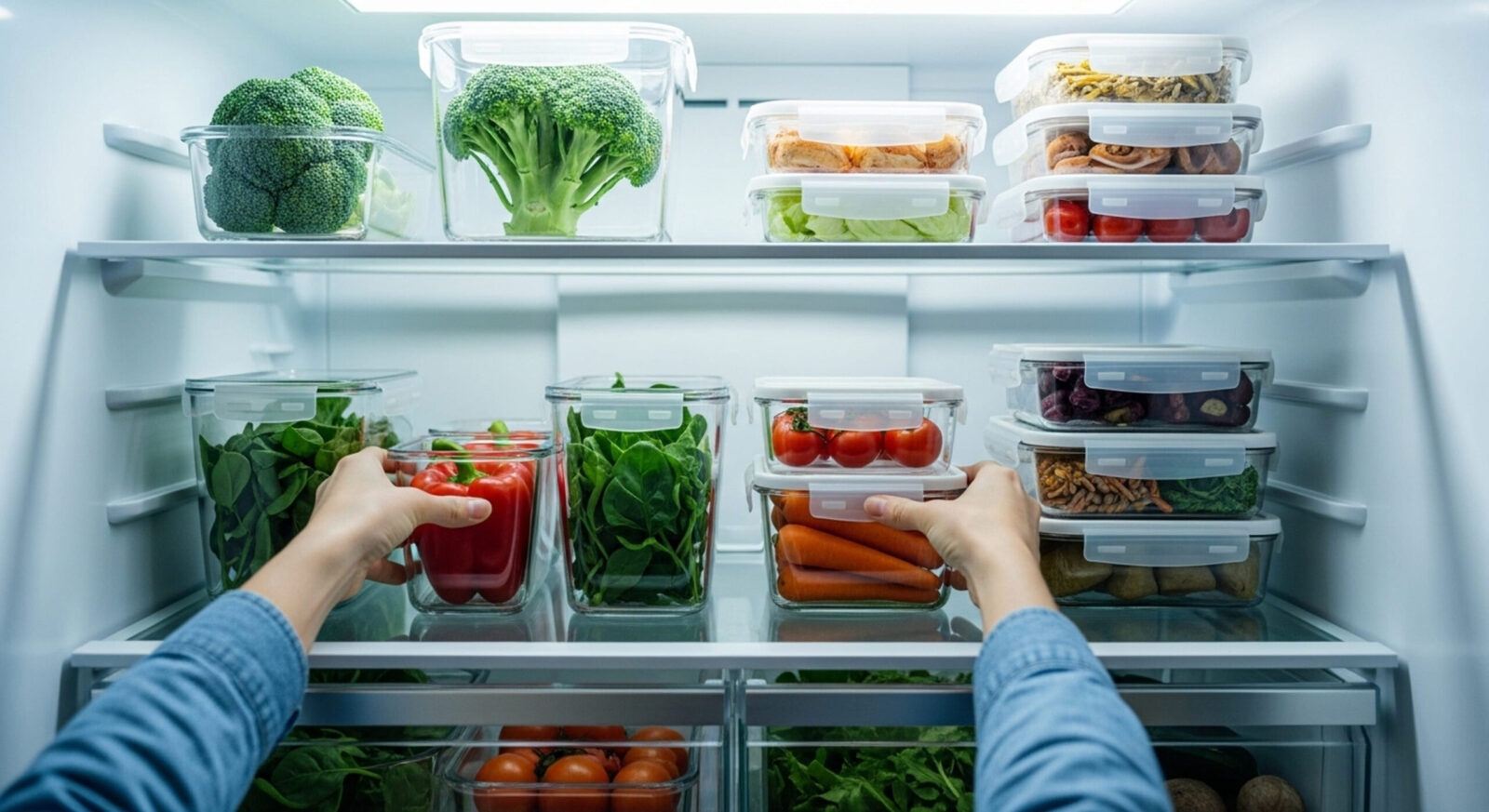
The Meat Package That Lost Its Identity
An unlabeled bundle deserves attention, but the absent label is not an expiration notice.
Freezer burn can leave dry patches where air has reached the food’s surface. The bigger question is whether the meat was handled properly and stayed safely frozen.
If you cannot establish its handling or temperature history, don’t use normal appearance as reassurance. A missing date alone, however, does not establish that the food is unsafe.
For the next package, write down the contents and freezing date before it disappears beneath the chicken.
The Ice Cream Caught in a Freezer Failure
Ice cream gets its own rule after an outage.
The FoodSafety.gov power-outage chart says to discard ice cream and frozen yogurt when assessing affected frozen foods, including when some ice crystals remain.
That advice concerns interrupted freezer storage. A few crystals on a carton during ordinary storage are not, by themselves, a complete account of what happened.
After a power outage or freezer failure, follow the chart’s specific discard guidance rather than assuming that refreezing will make the ice cream suitable to keep.
The Vegetables Wearing a Coat of Frost
A partly used bag of vegetables can become an exercise in optimistic storage: fold the top, tuck it under another package, and promise to seal it properly later.
Freezer burn can dry out food without making it unsafe. If the vegetables were handled correctly and remained continuously frozen, assess whether their quality still suits a meal you want to make.
Keeping something you know you will never use does not make the cleanout more successful. Neither does discarding it solely because it looks imperfect.
The Leftovers With No Introduction
A date helps, but handling history matters more.
The USDA’s guidance on leftovers says to refrigerate them within two hours of cooking or removing them from hot holding. That limit drops to one hour when the surrounding temperature is above 90°F.
USDA recommends three to four months of frozen storage for quality. Properly handled leftovers kept continuously frozen remain safe longer, although moisture and flavor can decline.
Freezing does not provide a fresh start for food that was mishandled beforehand.
Label future portions with the dish name and date. “Tuesday’s chili” is considerably more helpful than “possibly dinner.”
The Ice Bin That Needs Its Own Cleanout
Give the ice bin a place on the checklist rather than treating it as permanent freezer furniture.
Look for spills, damaged nearby packages, and anything that may have entered the bin. If raw meat juices have leaked into the ice, discard it.
Clean the bin according to the appliance manufacturer’s instructions. This is also a useful moment to reconsider where leak-prone packages sit.
The aim is simple: keep the things destined for a drinking glass protected from the things destined for a cooking pan.
The Fish With Dried-Out Patches
Freezer-burned fish calls for the same distinction as freezer-burned meat: surface drying and unsafe temperatures are different problems.
After a freezer failure, the federal outage chart says to discard seafood held above 40°F for more than two hours.
When handling and frozen storage have remained reliable, dry patches are a quality concern. Decide whether you still want to cook the fish, rather than giving a disappointing package another indefinite extension.
Do not taste it to investigate its safety.
The Dairy That Looks Different
Milk and cheese don’t all respond to freezing the same way.
The federal outage chart notes possible texture loss when milk and soft cheeses are refrozen. It also treats hard cheeses differently from soft and shredded cheeses.
That makes “throw away all thawed dairy” an overly broad instruction.
Identify the product, then check the relevant guidance. A change in texture cannot tell you how warm something became or how long it stayed that way.
The Frozen Dinner You Keep Moving Aside
Some packages survive every cleanout because discarding them feels like admitting defeat.
Instead, make a practical decision. If the meal’s handling and storage history is reliable, follow its preparation instructions and decide whether it belongs on an upcoming menu.
Move appealing older meals to the front. If you already know you’ll choose something else, acknowledge that before buying another version of the same dinner.
Long storage alone does not automatically make a properly handled, continuously frozen meal unsafe.
The Berries Saved for a Special Occasion
Frosty berries deserve consideration, not automatic dismissal.
With a reliable frozen-storage history, the question becomes whether their quality suits your intended recipe. Presentation matters differently in a garnish than in a baked filling.
After an outage, however, use the fruit-specific guidance in the federal chart. Surface frost alone cannot settle the decision.
Emergency advice about remaining ice crystals concerns assessing partially thawed food after interrupted freezing. It does not reconstruct a bag’s entire storage history.
The Dough Waiting for Its Baking Moment
Check the product name before applying a general rule.
Bread dough, pie crust, and other dough products are not interchangeable. Read the package’s storage and preparation directions, and consult the relevant outage guidance if freezing was interrupted.
For a package with a reliable storage history, consider whether dried-out edges make it worth baking. Cracks alone don’t mean a product is unsafe or that it will perform as intended.
Make the Next Dinner Easier to Find
Finish with labels, secure wrapping, and older foods placed where you can see them. Use an appliance thermometer to check that the freezer stays at 0°F or below, and never taste food to determine whether it is safe.
A good cleanout should leave you with fewer mysteries and a clearer plan, not simply a fuller trash bag. Which forgotten ingredient could become the starting point for a dinner you are excited to make?