Tesla’s futuristic Cybertruck may be nearing the end of the road, and Elon Musk’s latest announcement has raised serious questions about its future. After years of hype, a dramatic debut, and disappointing sales, the unusual stainless-steel pickup could soon lose its place on Tesla’s production line.
But there’s an important catch: Tesla hasn’t officially confirmed that it’s discontinuing the Cybertruck entirely.
Musk Announces a Major Change for Cybertruck Production
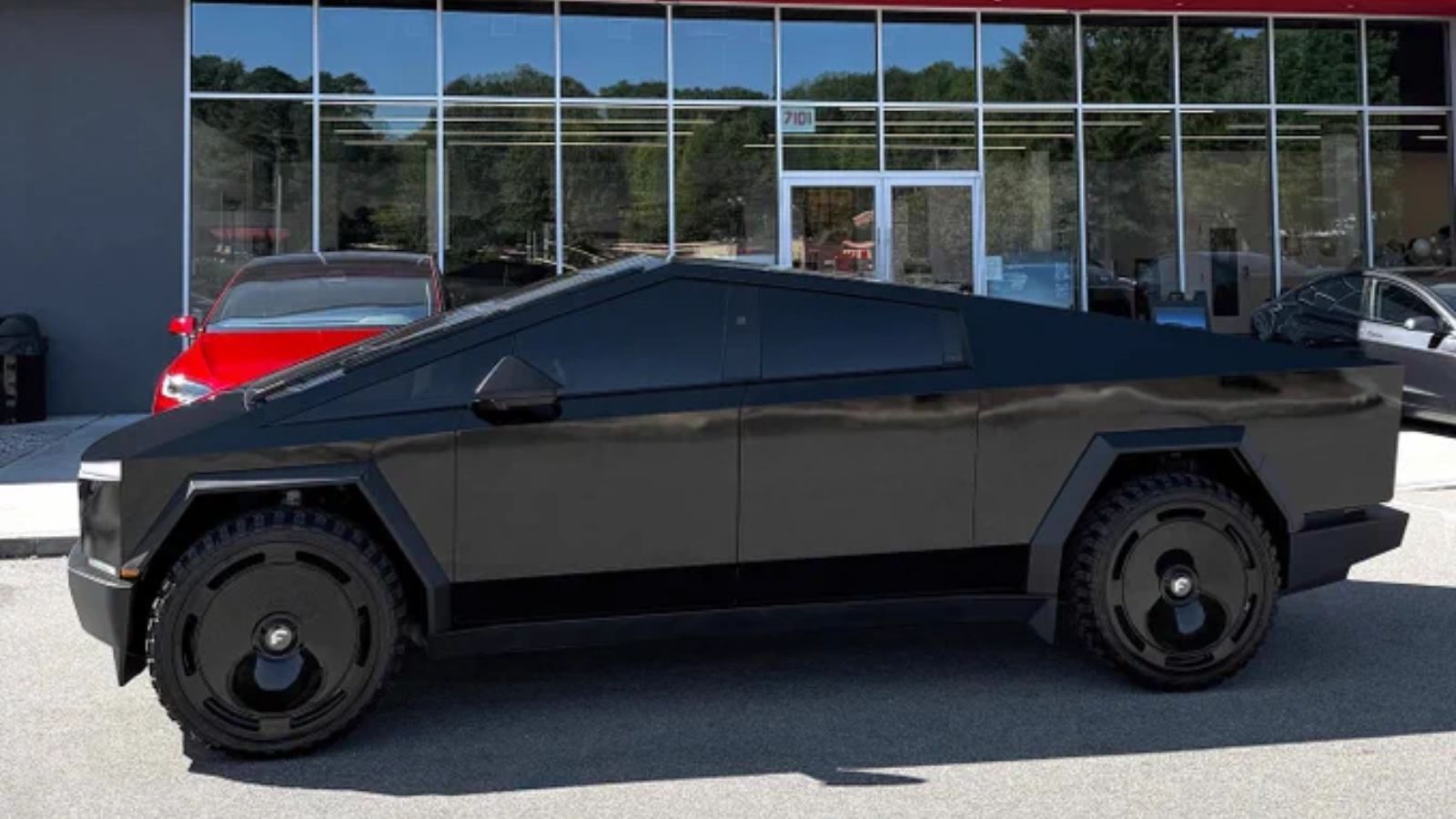
On Friday, November 6, 2026, Elon Musk announced that Tesla plans to wind down Cybertruck production at its Gigafactory in Texas around mid-2027.
According to Reuters, the decision would free up manufacturing space for increased production of Tesla’s Cybercab, a vehicle designed for autonomous transportation.
That announcement immediately raised questions about the Cybertruck’s future.
The Texas facility is currently the only factory producing the pickup. If manufacturing stops there and no other location takes over, it could effectively end the vehicle’s production run.
However, Musk hasn’t announced a replacement factory or confirmed that the Cybertruck will disappear permanently.
For now, the company appears to be preparing for a significant change in direction.
Musk’s Comments Suggest the End of an Era
The announcement became even more interesting when Musk responded to someone on X who described the news as the “end of an era.”
Rather than dismissing that interpretation, Musk replied, “True, but the Cybertruck fleet will be around for a long time.”
That response caught attention because it focused on Cybertrucks already on the road rather than future production.
Cybertruck lead engineer Wes Morrill also offered a revealing comment, describing the pickup as an important technology development platform whose innovations would continue through Cybercab.
Neither statement amounts to an official cancellation announcement.
Still, the language suggests that Tesla may increasingly view the Cybertruck as a stepping stone toward its next generation of vehicles.
For a truck that once represented a major part of Tesla’s future, that’s quite a turnaround.
Cybertruck Sales Have Fallen Sharply
One of the biggest challenges facing the Cybertruck has been its sales performance.
According to estimates from Cox Automotive and Kelley Blue Book, approximately 38,965 Cybertrucks were sold in the United States in 2024.
That figure dropped to an estimated 20,237 vehicles in 2025.
The decline represents roughly a 48% drop in just one year.
These are industry estimates rather than Tesla’s separately reported Cybertruck sales figures, but they illustrate how sharply demand weakened.
The numbers also look particularly striking compared with Musk’s earlier ambitions.
At one point, Musk envisioned Cybertruck annual sales eventually reaching approximately 250,000 vehicles.
Actual sales have fallen well short of that ambitious vision.
Although Musk identified increased Cybertruck production as the reason for the factory change, the Cybertruck’s declining sales provide important context for understanding Tesla’s decision.
From a Spectacular Debut to an Uncertain Future
When Tesla unveiled the Cybertruck in 2019, it looked unlike almost anything else on American roads.
Its sharp angles, stainless-steel body, and unconventional appearance made it instantly recognizable.
Some people loved the futuristic design. Others found it difficult to imagine the vehicle fitting into the traditional pickup market.
Either way, it attracted enormous attention.
The unveiling also delivered an unforgettable moment when metal balls thrown at the truck’s supposedly shatter-resistant windows cracked the glass.
Despite that awkward demonstration, the Cybertruck remained one of Tesla’s most talked-about projects.
Customer deliveries finally began in late 2023, years after the initial unveiling.
Now, Tesla is preparing to wind down production at its only Cybertruck factory less than four years after deliveries started.
That relatively short timeline makes the latest announcement particularly significant.
Recalls Added to the Truck’s Difficult Journey
Beyond disappointing sales, the Cybertruck has faced numerous recalls since reaching customers.
Reuters reported that the vehicle had been subject to 11 recalls, citing information from the National Highway Traffic Safety Administration.
Some problems required physical repairs, while others could be addressed through software updates.
Reported issues included accelerator-pedal concerns, software defects, and an inverter fault that could cause a sudden loss of drive power.
In 2025, another recall affected more than 46,000 Cybertrucks because of an exterior trim component that could detach.
These incidents became part of the vehicle’s complicated history.
However, the available reporting doesn’t establish exactly how much these problems influenced customer demand or Tesla’s production decision.
The confirmed reason Musk gave for the upcoming factory change remains the company’s desire to increase Cybercab manufacturing.
Tesla Is Turning Its Attention to Cybercab
So, what exactly is taking the Cybertruck’s place?
The answer is Cybercab, Tesla’s purpose-built robotaxi.
Unlike the Cybertruck, which was designed as a consumer pickup, Cybercab is intended for autonomous ride-hailing.
The two-seat vehicle has been designed without a traditional steering wheel or pedals.
It’s part of Musk’s broader ambition to make autonomous transportation a major focus of Tesla’s future.
By reallocating manufacturing capacity from Cybertruck to Cybercab, Tesla is signaling where it wants to put more resources.
But this new direction isn’t guaranteed to succeed.
Reuters reports that the Cybercab program remains relatively small and faces regulatory scrutiny concerning certification requirements.
In other words, Tesla is making a significant bet on autonomous transportation while stepping back from one of its most recognizable vehicles.
What Happens to People Who Already Own a Cybertruck?
For existing Cybertruck owners, the announcement naturally raises practical questions.
Will replacement parts remain available? What happens to software updates? Could the truck become a collector’s item, or might its resale value suffer?
At this stage, those questions don’t have confirmed answers.
Musk’s statement that the existing fleet will remain around for a long time offers some reassurance that the vehicles will keep operating.
However, it doesn’t establish a specific commitment concerning parts availability, service arrangements, or future software features.
Tesla also hasn’t announced a final ordering deadline, an exact last-production date, or any special compensation program for owners.
Anyone considering purchasing a Cybertruck will therefore have to weigh the vehicle’s unusual appeal against the uncertainty surrounding its manufacturing future.
Is This Really Goodbye to the Cybertruck?
The biggest unanswered question is whether Tesla is preparing to retire the Cybertruck completely or change where it’s manufactured.
So far, no alternative manufacturing location has been announced.
That makes the planned shutdown at Gigafactory Texas particularly meaningful.
The Cybertruck arrived with extraordinary expectations, attracted worldwide attention, and promised to redefine what a pickup could look like.
Yet its disappointing sales and Tesla’s growing focus on autonomous vehicles have created a very different picture.
The truck that once symbolized Tesla’s boldest ambitions may now be making way for the company’s next big experiment.
For now, the Cybertruck isn’t officially finished, but Musk’s latest announcement suggests its future is more uncertain than ever.