Some childhood food memories are wrapped in sweetness. Others arrive in wobbly gelatin molds, shiny metal cans, and aluminum trays divided into little compartments. The American kitchen of the 1950s and 1960s was full of inventions, unusual recipes, and convenience foods that can still spark lively conversations today.
According to the U.S. Census Bureau, baby boomers were born between 1946 and 1964. During those years, food companies enthusiastically promoted new ways to prepare and serve everyday meals. By 1959, Hormel had produced its billionth can of SPAM, while General Foods was publishing colorful recipes that turned gelatin into surprisingly elaborate dishes.
Not every boomer grew up eating these foods, and several remain popular today. Still, these eight examples reveal just how fascinating America’s midcentury food culture could be.
Tuna-Filled Gelatin Molds: When Dinner Wobbled
There’s something wonderfully strange about a dinner that jiggles when the serving plate moves.
During the mid-20th century, gelatin wasn’t reserved exclusively for fruit-flavored desserts. Savory gelatin salads also appeared in promotional cookbooks, sometimes combining ingredients that modern readers might never consider putting together.
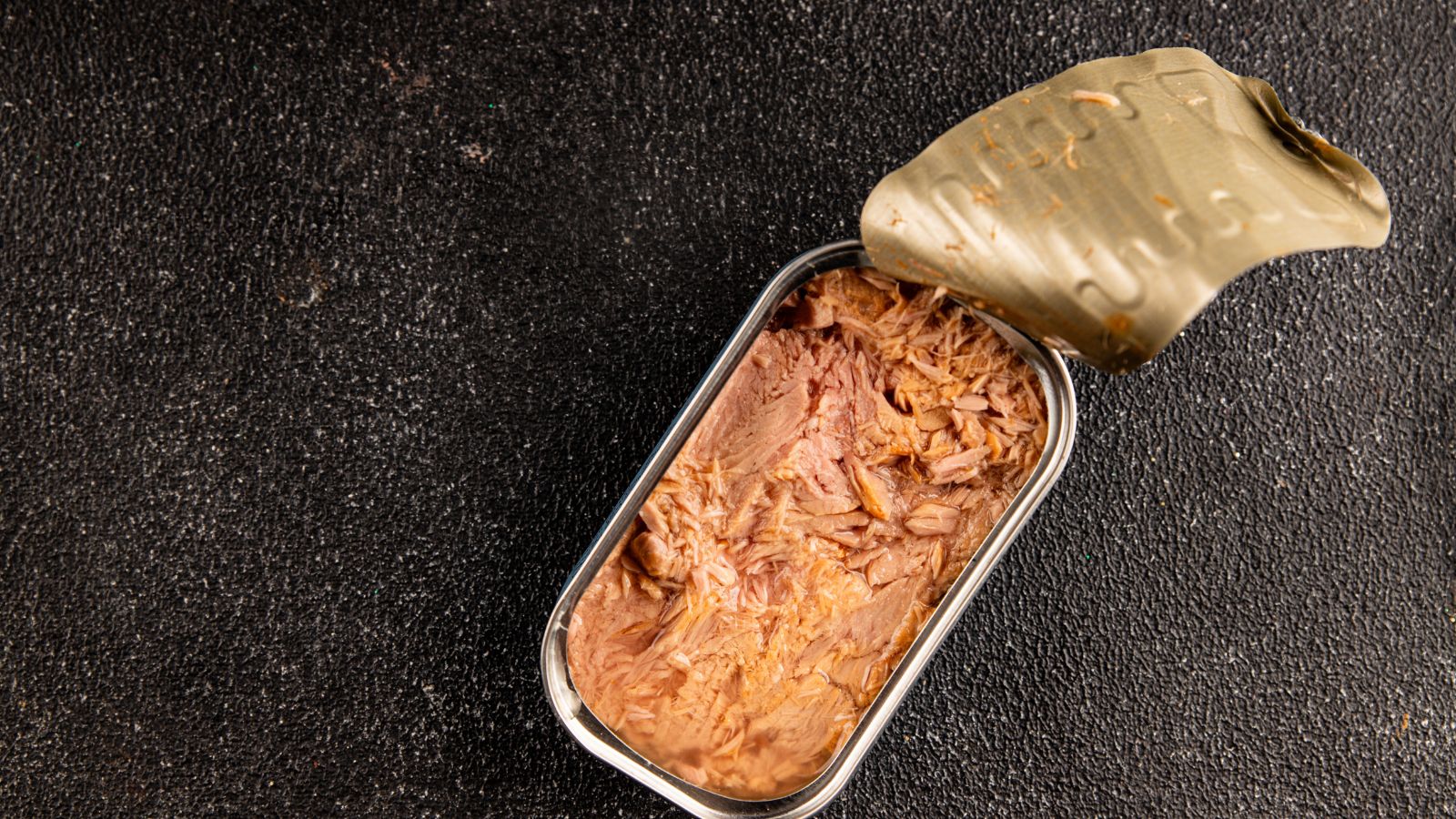
The Smithsonian Libraries preserves General Foods’ 1963 cookbook Joys of Jell-O Gelatin Dessert. One recipe is called Ring-Around-the-Tuna.
Yes, tuna and gelatin shared the same molded dish.
According to the Smithsonian’s cookbook description, savory gelatin salads became prominent during the 1950s.
The cookbook shows manufacturers promoted these recipes, but it doesn’t show how many families actually served them.
SPAM: The Canned Meat That Became a Household Name
Few pantry staples have inspired as many conversations as SPAM.
Introduced by Hormel in 1937, the canned luncheon meat became an established product long before the first baby boomers were born.
According to Hormel Foods’ company history, the brand had produced its billionth can between 1959 and 1963. The company also reports that it shipped more than 100 million pounds abroad for Allied troops during World War II.
That history helps explain why SPAM was already familiar during the postwar years.
But calling it a forgotten food would be inaccurate. SPAM remains commercially available and has an important place in culinary traditions, including Hawaiian musubi.
What might look like an old-fashioned canned convenience to one person is a beloved ingredient to another.
Deviled Ham Spread: The Sandwich Filling With an Unexpected Name
Before today’s endless sandwich-filling combinations, canned meat spreads offered another convenient choice.
Underwood Deviled Ham was one of the most recognizable examples.
According to the National Park Service, the company began producing deviled ham in 1868 and trademarked its distinctive devil logo in 1870.
The spread combines finely ground ham with seasonings to create a ready-to-use sandwich filling.
Its colorful name and small can make it an interesting piece of food history.
Underwood continues selling deviled ham today, alongside other canned meat spreads.
So while the packaging may bring back memories of an older kitchen, the product itself hasn’t disappeared.
Liver and Onions: A Dinner That Still Divides Opinion
Some foods inspire affection. Others can start a disagreement before the pan even reaches the table.
Liver and onions belong firmly in that second category.
The traditional preparation features beef or veal liver cooked with sliced onions, flour, and seasonings. Betty Crocker’s recipe still documents the dish.
And unlike many nostalgic foods, there’s measurable evidence of its polarizing reputation today.
In a July 2025 YouGov survey, 54% of American adult citizens said they disliked or hated liver. Another striking finding: 40% specifically said they hated it, the highest figure among the 40 foods surveyed.
That doesn’t tell us how boomers felt about liver as children.
But it certainly explains why putting it on a modern dinner menu might produce some interesting reactions.
Canned Pasta: The Dinner That Came Ready to Heat
Opening a can of pasta and having dinner almost ready comes with a particular kind of nostalgia.
Chef Boyardee became one of the recognizable names associated with that convenience.
But here’s an interesting detail: Chef Boyardee wasn’t simply an invented advertising character.
According to the brand’s official history, chef Hector Boiardi established the company in 1928 with his brothers Mario and Paul.
The familiar brand spelling was created to make the family’s Italian surname easier for American customers to pronounce.
That origin gives the humble canned-pasta tradition an unexpectedly personal story.
The company helped bring prepared Italian-American-style meals into households, and its products remain available.
Whether you remember the flavor fondly or prefer cooking pasta from scratch, the convenience is part of the story.
Compartmented TV Dinners: An Entire Meal in One Tray
Long before dinner delivery apps, another exciting promise existed: a complete meal waiting in the freezer.
In 1954, Swanson introduced its famous TV dinner.
According to the Smithsonian’s National Museum of American History, the frozen meal came in an aluminum tray divided into separate compartments.
The idea was simple and appealing. Heat the meal, keep the different foods separate, and enjoy dinner with minimal preparation. The timing was significant.
The Smithsonian reports that by 1960, nearly 90% of American homes had a television.
These meals became part of a changing relationship between cooking, convenience, and entertainment.
Today’s frozen dinners may look different, but those early divided trays helped establish a familiar kitchen tradition.
Raw Cookie Dough: The Temptation Before the Cookies Were Baked
For anyone who grew up helping with baking, the mixing bowl could be almost as exciting as the finished cookies.
The sweet aroma, sticky spoon, and promise of warm cookies made dough an irresistible part of the kitchen experience.
But there’s an important difference between ordinary baking dough and products specifically developed for eating without baking.
In 2020, Pillsbury announced that selected refrigerated cookie and brownie doughs had been reformulated using heat-treated flour and pasteurized eggs.
The company identifies qualifying products with a special label indicating they’re intended for raw consumption. That modern distinction is worth remembering.
A childhood recollection of tasting batter doesn’t mean every family did it, and not every product sold as baking dough is meant to be eaten before baking.
8. Ham-Wrapped Bananas With Cheese Sauce: A Recipe That Still Raises Eyebrows
Of all the combinations to emerge from vintage promotional cookbooks, this one might be the most surprising. Ham. Bananas. Cheese sauce. All together.
According to Smithsonian Magazine’s examination of United Fruit Company’s 1947 Chiquita Banana’s Recipe Book, the publication featured a dish called Ham Banana Rolls With Cheese Sauce. The same cookbook explored other savory banana combinations, including bananas served with curry sauce.
These weren’t recipes invented for a modern joke. They appeared in a genuine company publication promoting creative ways to use bananas.
The book was published when the oldest baby boomers were still infants, so it doesn’t prove the dish became a common childhood dinner.
But it offers a fascinating glimpse of the unusual combinations food companies once encouraged families to try.
What These Old-Fashioned Foods Tell Us About American Kitchens
Food history is rarely as simple as saying older generations loved something that younger generations reject.
SPAM, introduced in 1937, remains available today. Underwood Deviled Ham has survived since 1868. Meanwhile, a 2025 YouGov survey shows that liver still provokes strong opinions.
Other dishes, like Ring-Around-the-Tuna and ham banana rolls, remind us that midcentury recipe developers weren’t afraid to experiment.
The real charm of these foods lies in what they reveal about everyday life: the excitement of convenience, the influence of advertising, and the changing meaning of a home-cooked meal.
And perhaps that’s what makes vintage food memories so enjoyable. One person’s strangest childhood dinner might be another person’s most treasured taste of home.