Have you ever agreed to host dinner, volunteered to organize a family gathering, or spent extra time getting ready for an ordinary outing when you would honestly rather do something else? Sometimes, the hardest part isn’t doing the task itself. It’s feeling expected to enjoy it, take responsibility for it, and smile as though it’s never an inconvenience.
Women have different interests, preferences, and priorities. Plenty genuinely enjoy cooking, decorating, dressing up, and organizing family activities. But enjoying something doesn’t automatically mean wanting it to become a permanent responsibility.
Research on American households has documented differences in how domestic work, family scheduling, and appearance expectations are distributed. These findings don’t prove that women secretly dislike these activities.
They do, however, raise an interesting question: how much of everyday life is genuinely a choice, and how much comes with an expectation?
Here are six everyday expectations that some women might appreciate having a little more freedom to decline.
Spending Extra Time Getting Ready for Ordinary Outings
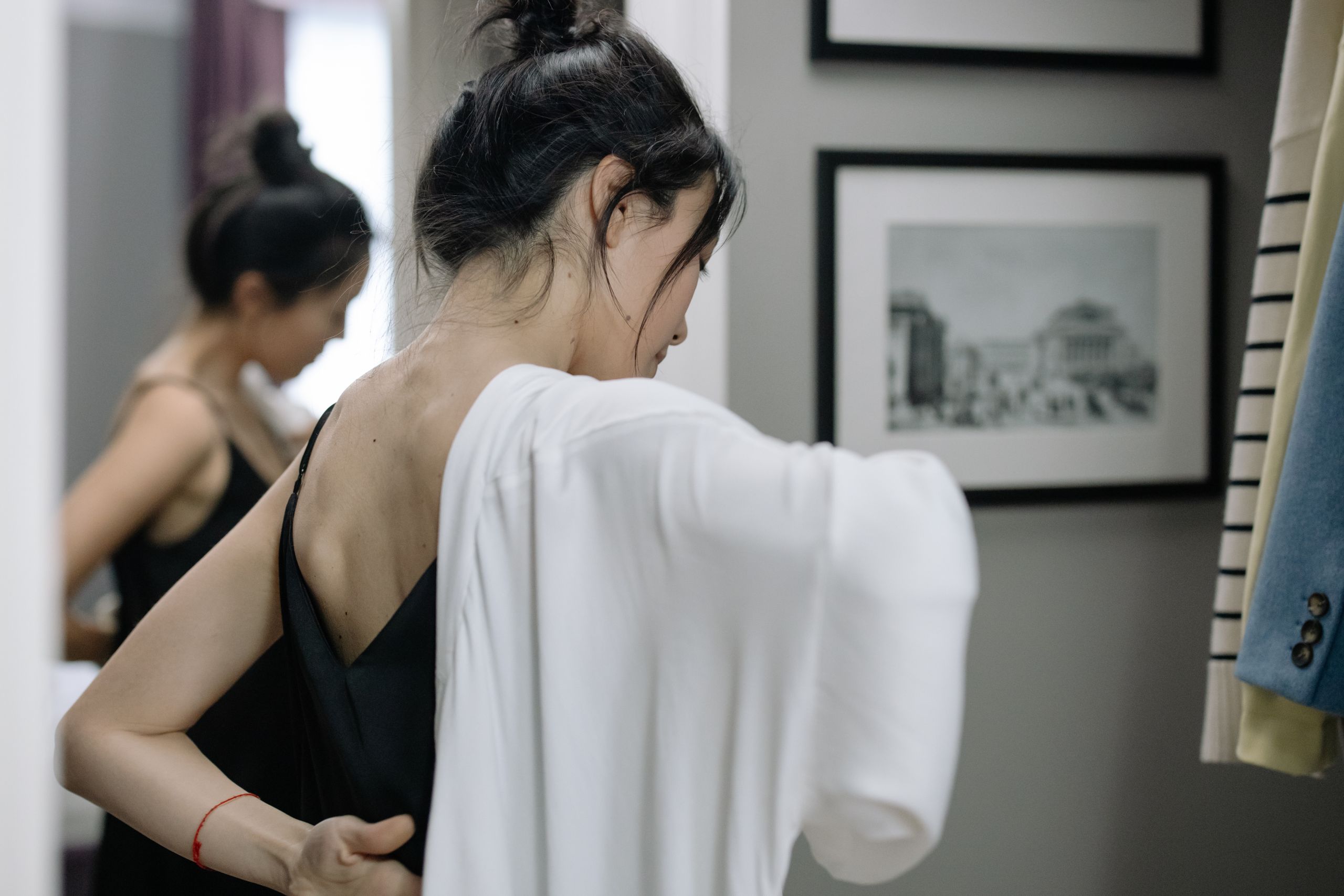
Looking presentable even when the occasion doesn’t call for it. A quick trip to the grocery store shouldn’t necessarily require a full beauty routine, but some women feel pressure to look particularly polished even when they’re doing something ordinary.
A YouGov survey found that 35% of American women said societal expectations influenced their decision to wear makeup a great deal or a fair amount. Among women under 45, that figure increased to 44%, compared with 24% of older women.
Interestingly, the same survey found that 73% of women who wore makeup spent 20 minutes or less applying it, including 45% who spent fewer than 10 minutes.
Of course, many women enjoy makeup as self-expression or simply because they like getting dressed up. The issue is assuming everyone should follow the same routine to be considered presentable.
Whether someone prefers a simple outfit or a more elaborate appearance, choosing everyday clothing and personal style should leave room for individual preferences.
Being the Automatic Dinner Planner and Cook
When preparing meals becomes an everyday assignment rather than an enjoyable activity.
Cooking can bring people together, especially when everyone contributes. But deciding what’s for dinner, checking the refrigerator, shopping for ingredients, preparing the meal, and cleaning afterward can turn an enjoyable activity into a recurring responsibility.
A 2019 Pew Research Center analysis found that 80% of mothers in married or cohabiting households with children under 18 usually prepared meals. Another 80% usually handled grocery shopping, while 71% primarily handled both responsibilities.
The analysis also found that mothers in these households spent an average of 68 minutes daily on meal preparation, compared with 23 minutes for fathers. This category included food preparation and kitchen cleanup.
These figures don’t tell us whether the women enjoyed cooking. They do highlight how much of the responsibility fell on them.
There’s a difference between loving to experiment with recipes and being expected to organize every family meal. Sharing the entire process, from choosing meals to cleaning the kitchen, gives everyone a more meaningful role.
Even planning simple family meals and making everyday cooking more manageable can become easier when the responsibility doesn’t automatically fall on one person.
Treating Cleaning Like a Personal Passion
Being expected to notice every mess and take responsibility for fixing it. There’s nothing wrong with enjoying a clean, organized home. However, maintaining one involves more than occasionally wiping down a counter or vacuuming the living room.
Someone has to notice that the bathroom needs cleaning, remember when the laundry needs doing, put away forgotten belongings, and make sure shared spaces are ready for everyone to use.
Pew Research Center’s 2026 time-use analysis found that American women averaged 2 hours and 19 minutes of housework daily, compared with 1 hour and 34 minutes for men. The figures draw on American Time Use Survey data from 2022, 2023, and 2024.
A separate Pew survey found that 59% of women in opposite-sex married or cohabiting relationships said they did more household chores than their partners.
Neither finding proves that women dislike cleaning. But they show why household responsibilities deserve a real conversation rather than the assumption that one person will handle everything.
A more balanced arrangement means everyone takes responsibility for noticing and completing tasks. Practical household organization systems can also make shared responsibilities easier to manage.
Being the Family’s Default Scheduler
Remembering everybody else’s appointments, activities, and commitments. Family calendars can become surprisingly complicated. Between school activities, registration deadlines, weekend plans, transportation arrangements, and changing schedules, somebody has to keep track of everything.
And sometimes, that somebody is automatically expected to be the mother.
A Pew Research Center survey conducted in fall 2022 found that 78% of mothers who were married or living with a partner in opposite-sex relationships and had children under 18 said they did more than their partners to manage their children’s schedules and activities.
That responsibility can involve much more than writing appointments on a calendar. It also means remembering deadlines, communicating changes, and making sure everyone knows where they need to be.
Some mothers genuinely enjoy coordinating family activities. Others might prefer that their partners take complete ownership of certain responsibilities.
A shared calendar can help, but dividing the actual work matters more than simply giving everyone access to the same schedule.
Making Every Holiday Feel Homemade
Turning seasonal celebrations into elaborate projects. Holiday traditions can be lovely. Homemade decorations, carefully prepared meals, thoughtful gifts, and beautifully arranged dining tables can make celebrations feel special.
But somewhere along the way, a simple celebration can become a long list of expectations.
Pew Research Center’s 2013 Christmas survey found that 65% of women planned to give homemade gifts, compared with 51% of men. Homemade gifts included baked goods and crafts.
The finding measures planned participation, not whether women felt pressured or disliked making those gifts. Still, it provides an interesting glimpse into how holiday traditions can involve different expectations for men and women.
Not every celebration needs handmade decorations, several homemade dishes, and individually prepared gifts. Sometimes, choosing one meaningful tradition is enough.
Whether you’re organizing a family dinner or preparing your home for visitors, keeping entertaining arrangements simple and manageable leaves more room to enjoy the occasion itself.
Always Being Pleasant, Even When They Want to Say No
Feeling obligated to make every request sound welcome. This expectation can be particularly difficult because it isn’t always connected to a specific household task. It can appear in everyday conversations, family gatherings, social invitations, and requests for favors.
Sometimes, someone agrees to another commitment because declining might be interpreted as being difficult, unfriendly, or uncooperative.
A 2024 Pew Research Center report found that 52% of Latinas surveyed said Hispanic women in the United States faced a great deal or a fair amount of pressure to be pleasant. By comparison, 28% said Hispanic men faced that pressure.
This finding concerns perceptions of pressure within a specific population. It does not mean that 52% of women personally pretend to enjoy social occasions or agree to things they dislike.
Nevertheless, it highlights an important conversation about expectations surrounding women’s behavior. Being considerate doesn’t mean agreeing to everything. A simple response such as, “Thank you for asking, but I can’t make it this time,” can be perfectly respectful.
Enjoying Something Shouldn’t Mean Being Responsible for Everything
Women can love cooking without becoming the family’s permanent cook. They can enjoy decorating without organizing every holiday, and appreciate a clean home without being responsible for every mess.
The real difference is having the freedom to choose what you enjoy rather than being expected to enjoy everything you’re assigned. A genuine choice should never feel like a lifelong obligation.