Grocery shopping has changed for some Americans using food assistance, and the difference may become noticeable at checkout. Since November 1, 2026, SNAP recipients in South Carolina and Virginia have faced new restrictions on which drinks they can purchase using their benefits. While both states have restricted certain sweetened beverages, South Carolina has added limits on candy and energy drinks.
The changes are part of state initiatives approved by the US Department of Agriculture (USDA) to encourage healthier food choices among households receiving assistance. However, shoppers do not have to give up their favorite snacks and drinks entirely. They can still purchase restricted products using another form of payment, but their SNAP benefits will no longer cover those items.
SNAP Restrictions Took Effect in South Carolina and Virginia on November 1
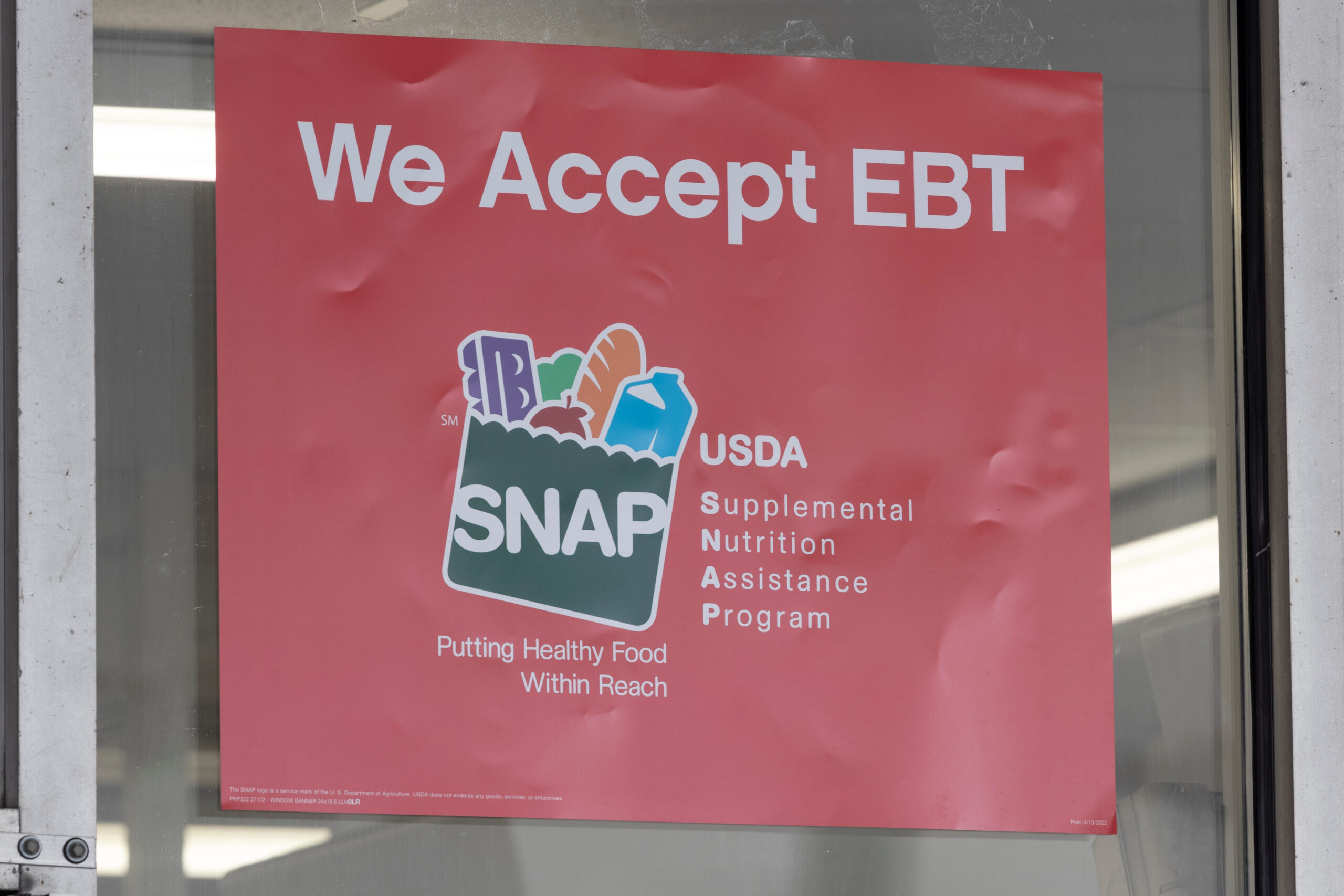
November 1 brought new shopping rules for SNAP recipients in two states. South Carolina introduced restrictions on candy, energy drinks, soft drinks, and other sweetened beverages through its Healthy Food SC initiative.
Virginia introduced a narrower restriction focused on certain carbonated beverages containing added sugar or artificial sweeteners. This includes regular soda, diet soda, zero sugar soda, and carbonated energy drinks.
Although the changes affect different product categories, both states are participating in a growing number of USDA-approved demonstrations that modify which products can be purchased using SNAP benefits.
The restrictions apply to purchases made in participating states, not just to specific supermarket chains. Grocery retailers must update their checkout systems to prevent SNAP funds from being used to purchase restricted products.
South Carolina SNAP Recipients Can No Longer Buy Candy and Energy Drinks
South Carolina has introduced broader restrictions than Virginia, affecting several popular grocery and convenience store products. Since November 1, SNAP benefits can no longer be used to purchase candy, energy drinks, soft drinks, and other sweetened beverages.
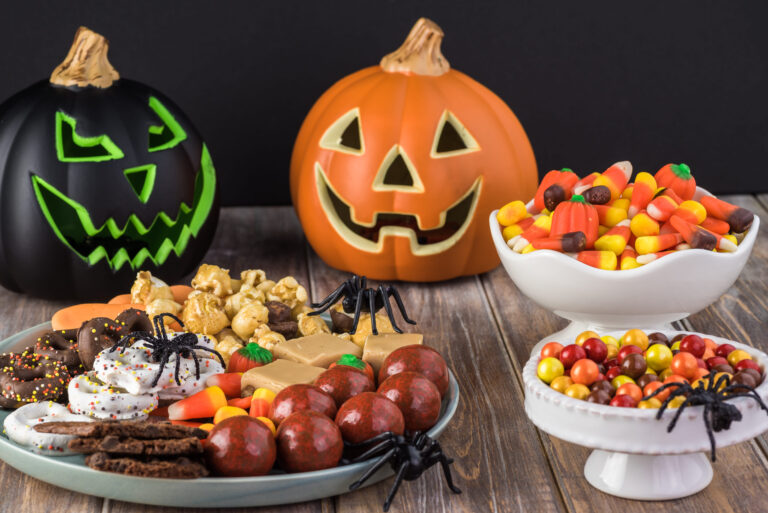
The candy restriction covers products made with sugar, honey, or other natural or artificial sweeteners combined with ingredients such as chocolate, fruits, or nuts. This includes many familiar candy bars, chocolate pieces, and sweets commonly found near supermarket checkout counters.
Energy drinks are also restricted if they contain at least 65 milligrams of caffeine per eight fluid ounces and are marketed as products designed to increase mental or physical energy. Regular coffee and tea are excluded from this definition, as are beverages substantially based on coffee or tea.
There are some exceptions worth knowing. Protein bars, granola bars, baking ingredients such as chocolate chips, and products primarily sold as baked goods are not classified as candy under the state’s rules.
Virginia SNAP Shoppers Face Restrictions on Soda and Carbonated Drinks
Virginia’s new SNAP rules focus on carbonated beverages rather than candy and other snack foods. Since November 1, recipients can no longer use their benefits to purchase regular soda, diet soda, zero sugar soda, or carbonated energy drinks.
The restriction also covers carbonated drinks containing at least five grams of added sugar per serving. This means even some beverages marketed as healthier alternatives to traditional soft drinks may no longer qualify if they meet the state’s definition.
Interestingly, choosing a noncarbonated drink can make a difference at checkout. Lemonade, juice, iced tea, iced coffee, milk, and noncarbonated energy drinks remain eligible for purchase using SNAP benefits.
Unsweetened sparkling water is also allowed, as long as it does not contain restricted sweeteners. The Virginia Department of Social Services says the change applies to SNAP purchases statewide, including online grocery transactions.
What SNAP Shoppers Can Still Buy With Their Benefits
Despite the new restrictions, shoppers in both states can continue purchasing most of the groceries they normally buy. SNAP benefits remain available for eligible food products, including fruits, vegetables, meat, poultry, fish, bread, cereals, dairy products, and other qualifying groceries.
In South Carolina, customers can still purchase protein bars, granola bars, and baked goods that fall outside the state’s definition of candy. Regular coffee and tea are also not included in the energy drink restriction.
Virginia shoppers have more flexibility when choosing non-carbonated beverages. Juice, milk, plant-based milk alternatives, lemonade, yogurt drinks, and nutritional beverages remain eligible.
The distinction matters because the restrictions do not ban sweet-tasting drinks or packaged snacks. Instead, they target specific product categories identified under each state’s approved waiver.
SNAP Benefits and Monthly Payments Are Not Being Reduced
One concern among food assistance recipients is whether the new restrictions will affect how much money they receive each month. Fortunately, the November 1 changes do not reduce SNAP benefit amounts or change payment schedules in either state.
Eligible households will continue receiving their regular monthly assistance under existing program requirements. The difference is that certain products will now be rejected when customers attempt to pay for them using their EBT cards.
For example, someone shopping in South Carolina can still buy a candy bar, but must pay with cash, a debit card, or another accepted payment method. The same applies to a Virginia shopper purchasing a restricted soda.
Customers can also combine payment methods during one shopping trip. They may use SNAP benefits for eligible groceries and another payment method for restricted products, rather than making separate shopping trips.
Why Are States Changing What SNAP Benefits Can Purchase?
The new restrictions are part of a broader effort to influence food choices among households receiving government assistance. State officials supporting the changes argue that SNAP dollars should primarily support purchases that contribute to healthier diets.
South Carolina’s Healthy Food SC initiative is a two-year project. It seeks to encourage healthier purchasing habits by removing certain products from the list of items eligible for SNAP payment.
Virginia’s SNAP Healthy initiative has a similar goal, focusing on whether restricting certain carbonated sweetened beverages can encourage healthier drink choices. The state says the change is intended to help SNAP dollars go further on foods and beverages that support good health.
Both initiatives operate through waivers approved by the USDA Food and Nutrition Administration. These approvals allow states to test changes to the usual federal rules governing eligible SNAP purchases.
However, the changes have also raised questions about how much influence government programs should have over the food choices of people receiving assistance.
South Carolina and Virginia Are Part of a Larger SNAP Policy Shift
The November 1 changes are not isolated developments. Several other states have already introduced or announced restrictions affecting products such as soda, candy, and energy drinks.
According to the USDA, states including Texas, Oklahoma, Utah, and Indiana have also received approval for food restriction waivers with different implementation dates and product definitions.
The rules vary considerably. Some states restrict only soft drinks, while others include candy, energy drinks, or additional sweetened beverages. This means a product that can be purchased using SNAP benefits in one state may be ineligible in another.
For shoppers who travel between states, the rules that apply to their purchases can therefore differ depending on where they shop. Retailers must also ensure their payment systems correctly identify restricted products.
For now, SNAP recipients in South Carolina and Virginia should check their respective state guidelines before shopping. The changes do not affect their eligibility or monthly payments, but knowing which products qualify can help avoid surprises at checkout.