The Great Depression forced millions of American families to rethink how they prepared meals. With limited incomes and high unemployment, many households needed to stretch small amounts of food across several people.
Home cooks became resourceful, using inexpensive ingredients, leftovers, and substitutions to prepare satisfying meals. Some dishes were simple versions of familiar recipes, while others seem unusual today.
These seven foods demonstrate how households adapted their cooking during one of America’s most difficult economic periods.
1. Mock Apple Pie
Mock apple pie was designed to resemble traditional apple pie without using apples. One well-known version used crackers, sugar, water, lemon, and spices to create a filling beneath a pastry crust.
The idea might seem strange, but cinnamon and acidity helped produce flavors associated with apple desserts. Versions of mock apple pie existed before the Depression, and the recipe became associated with economical cooking.
The dish demonstrates how cooks could recreate familiar treats when fresh ingredients were expensive or unavailable. It also shows how resourcefulness shaped American food traditions.
2. Dandelion Greens
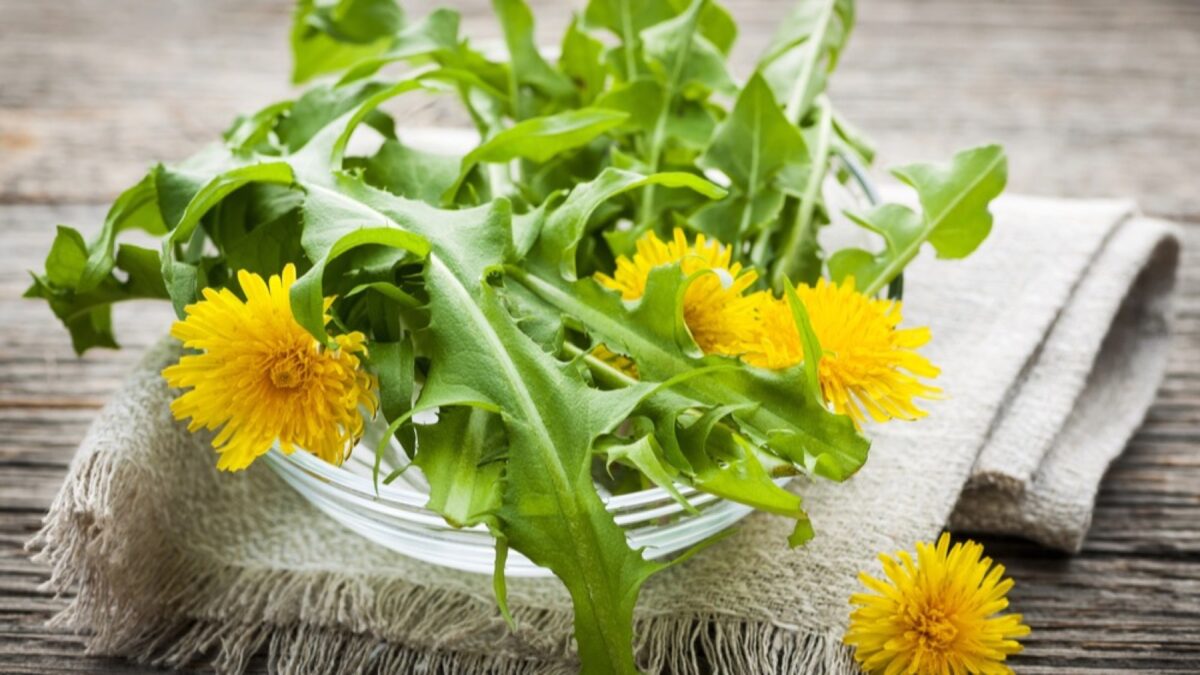
Dandelions weren’t always regarded simply as unwanted lawn plants. Their leaves could be gathered and prepared as cooked greens or added to salads.
For households with access to safe gathering areas, edible wild plants provided another source of food. Dandelion greens have a slightly bitter flavor similar to some cultivated greens.
Today, foraging requires careful plant identification and avoiding areas treated with pesticides or other contaminants. Historical practices shouldn’t be repeated without understanding those risks.
3. Potato Soup
Potatoes were useful because they could be stored, cooked in different ways, and combined with other inexpensive ingredients. A simple potato soup might contain potatoes, onions, water, milk, and salt.
When meat was unavailable, potatoes helped make a meal more filling. Families could adjust the recipe depending on the ingredients they had.
Potato soup remains popular today, although modern recipes may include cream, cheese, bacon, or other additions. Its basic form requires surprisingly few ingredients.
4. Creamed Chipped Beef on Toast
Creamed chipped beef on toast combined preserved beef, a flour-thickened sauce, and bread. It could turn a relatively small amount of meat into several servings.
The dish was familiar in military and civilian cooking, although its history extended beyond the Depression. It remained popular in American households for decades afterward.
Its salty flavor and heavy texture may not appeal to everyone today. But the meal illustrates how preserved foods helped families create filling dishes.
5. Bread Pudding
Stale bread didn’t necessarily go to waste in households facing financial pressure. It could be combined with milk, eggs when available, sugar, and spices to create bread pudding.
The dessert transformed an ingredient that might otherwise be discarded into something enjoyable. Recipes varied depending on household supplies and regional traditions.
Bread pudding remains common in many cuisines today. Its continued popularity shows how economical cooking can become a lasting food tradition.
6. Vinegar Pie
Vinegar pie used a small amount of vinegar to create acidity in a sweet filling. It offered an alternative when fresh lemons or other fruit weren’t readily available.
Recipes often combined sugar, eggs, butter, water, and vinegar in a pastry crust. The resulting dessert was similar in concept to other pantry-based custard pies.
Vinegar pie is also among the unusual Depression-era foods that continue to attract attention today. It illustrates how a small substitution could make a familiar dessert possible with limited ingredients.
7. Bean Soup
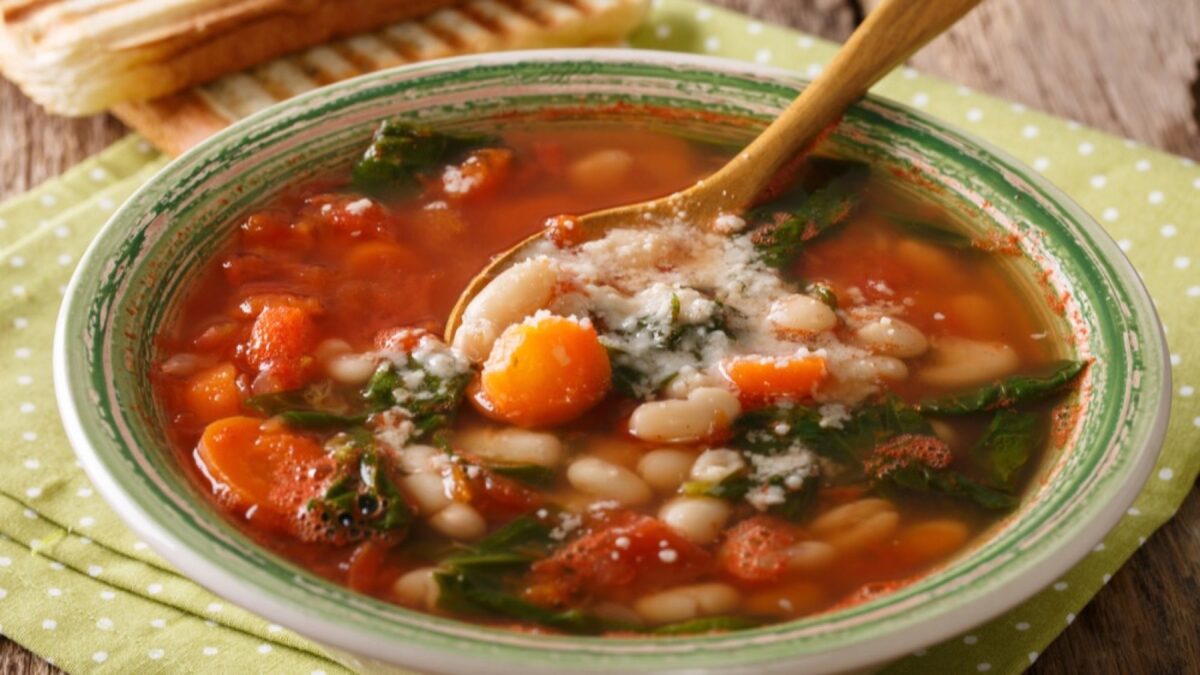
Dried beans could be stored for long periods and cooked into large pots of soup. Families might add onions, potatoes, vegetables, or a small amount of meat for flavor.
Beans were useful because they provided a substantial meal without relying on expensive cuts of meat. Bread or cornbread could make the meal more filling.
The same basic approach remains useful for modern budget cooking. Dried beans are versatile, nutritious, and easy to incorporate into soups and stews.
What These Foods Reveal About the Era
Depression-era cooking was shaped by hardship, but it also demonstrated creativity and adaptability. Recipes changed depending on family resources, geography, and access to food.
The Library of Congress preserves historical materials documenting the economic and social challenges of the period.
These dishes shouldn’t romanticize the deprivation many families experienced. Instead, they remind us that food history is also a story of people finding practical ways to survive difficult circumstances.