If you traveled across America during the 1970s, you probably remember seeing familiar restaurant signs along highways, near shopping centers, and beside family motels. Some chains were so recognizable that stopping there felt like part of the journey.
Many have since disappeared, changed ownership, or survived only in a handful of locations. Others remain familiar as names but no longer resemble the restaurant businesses older customers remember.
Here are seven chains that played a role in American dining during the 1970s.
1. Howard Johnson’s
Howard Johnson’s was one of the country’s most recognizable roadside restaurant chains. Its orange roofs, family-friendly dining rooms, fried clams, and numerous ice cream flavors made it a popular stop for travelers.
According to PBS’s restaurant history, the company operated approximately 1,040 restaurants in 1979. Increased competition and changes in ownership eventually weakened the chain.
The last Howard Johnson’s restaurant closed in 2022. The hotel brand survives, but it is separate from the vanished restaurant business.
2. Arthur Treacher’s Fish & Chips

Arthur Treacher’s grew during the 1970s by offering British-style fish and chips to American customers. Its menu centered on battered fish, fries, and other seafood items.
The chain once operated hundreds of restaurants, making it a recognizable fast-food alternative to hamburger businesses. Competition, rising costs, and ownership changes contributed to its decline.
The brand has survived in limited forms, including partnerships and occasional locations. Still, its once-prominent national presence has largely disappeared.
3. Burger Chef
Burger Chef was a major hamburger competitor during the 1960s and 1970s. The chain offered burgers, fries, and other familiar fast-food items, and it helped popularize bundled meals aimed at children.
Its Funmeal included food and activities designed to appeal to young customers. By the early 1980s, the chain had lost much of its competitive position.
Hardee’s parent company acquired Burger Chef in 1982, and many restaurants were converted. The name eventually disappeared from mainstream American fast-food dining.
4. Red Barn
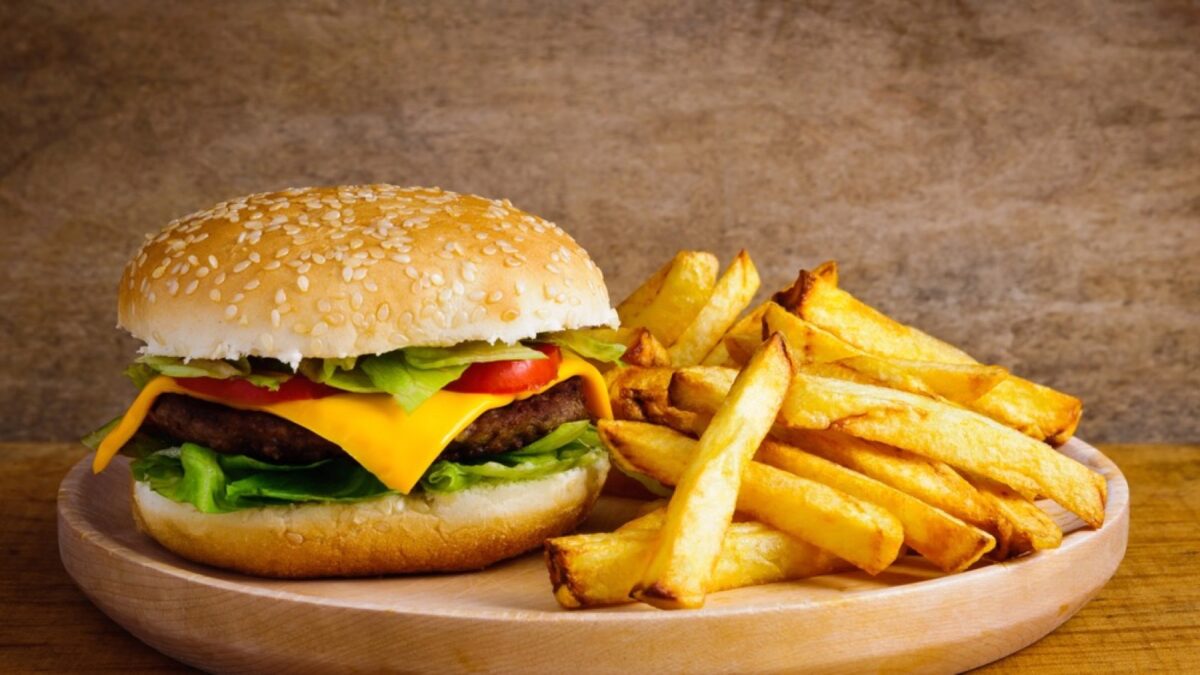
Red Barn restaurants were known for their distinctive barn-shaped buildings and red exterior designs. The chain offered hamburgers, chicken, and other fast-food items.
At its height, Red Barn operated hundreds of locations across the United States and Canada. Its recognizable buildings helped the brand stand out in an increasingly competitive industry.
Changes in ownership and difficult competition contributed to its decline. Today, the original chain is largely remembered through photographs and surviving former restaurant buildings.
5. Lum’s
Lum’s became known for hot dogs steamed in beer, along with sandwiches and other casual restaurant meals. The chain grew rapidly during the 1960s and remained familiar to many diners during the 1970s.
Its business went through ownership changes as the restaurant industry became more competitive. The chain eventually lost its prominence and disappeared from the national dining scene.
For people who remember Lum’s, its distinctive hot dog preparation remains one of the most recognizable details. A meal there could feel like an ordinary family outing rather than a special occasion.
6. Minnie Pearl’s Chicken
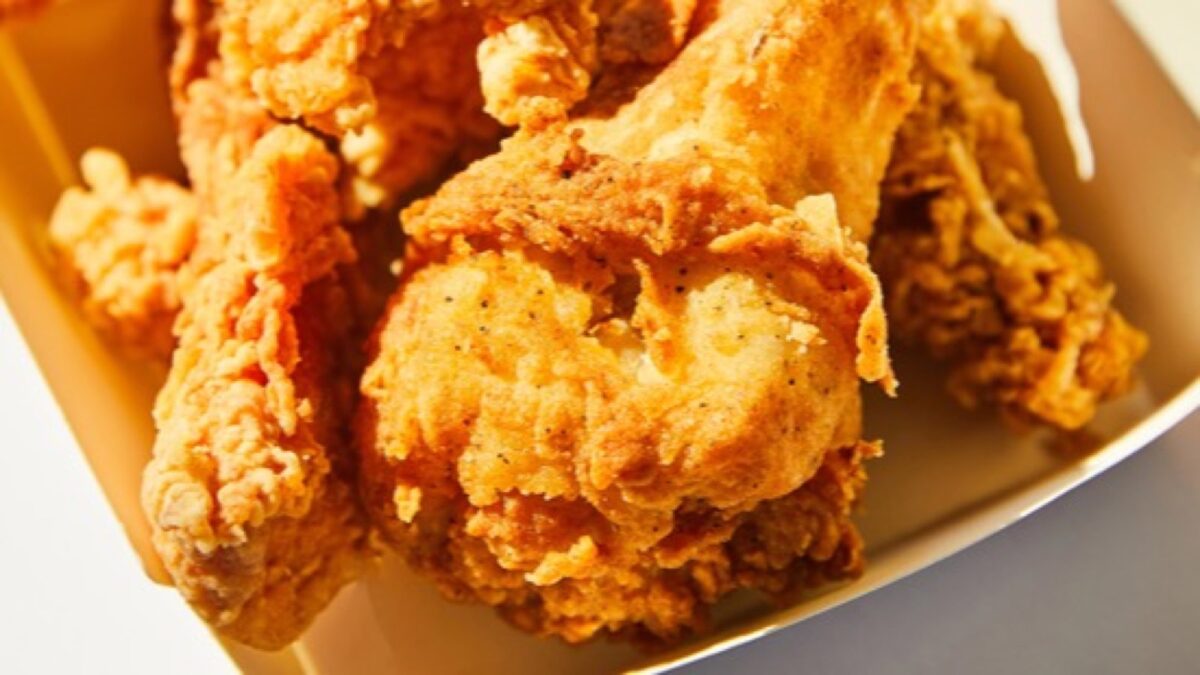
Minnie Pearl’s Chicken was a fried-chicken restaurant chain named after the famous country entertainer. It expanded rapidly during the late 1960s, attracting investors and customers interested in the celebrity association.
The business became associated with financial problems and unsuccessful expansion. Although the brand had a relatively short life, its rise and fall became a memorable example of the era’s franchise boom.
Its disappearance illustrates how quickly a recognizable restaurant name could lose its place in a competitive market. A famous name alone couldn’t guarantee long-term success.
7. Horn & Hardart
Horn & Hardart was famous for its Automats, restaurants where customers selected food from coin-operated compartments. The concept offered inexpensive meals without traditional table service.
The chain began long before the 1970s, but its Automats remained part of American dining history during that decade. As fast-food restaurants expanded, the Automat model gradually lost customers.
The Smithsonian’s history of the Automat explains how changing urban routines and competition contributed to the chain’s decline. Changing expectations about speed and convenience were also influencing American family dinners during the same era.
What Happened to These Restaurants?
The restaurant industry changed dramatically as national fast-food brands expanded. Companies that couldn’t keep prices competitive, update menus, or maintain profitable locations often struggled.
These chains remind us that even enormous restaurant businesses aren’t guaranteed to last. For former customers, though, a familiar sign or menu item can still bring back memories of family road trips.