Some foods are so closely associated with American life that questioning them can feel almost controversial. They appear at cookouts, family gatherings, state fairs, and holiday celebrations, often surrounded by decades of tradition.
But familiarity doesn’t guarantee that everyone enjoys a dish. People may dislike its texture, find the flavor disappointing, or believe another food deserves more attention.
Here are eight American favorites that can inspire surprisingly divided opinions.
1. Macaroni and Cheese
Macaroni and cheese has a reputation as one of America’s favorite comfort foods. Its appeal comes from combining tender pasta with a rich cheese sauce.
Still, not everyone enjoys its creamy texture or heavy flavor. Some versions become dry after baking, while others contain so much sauce that the pasta nearly disappears.
The difference between homemade macaroni and a boxed version can also shape opinions. People who dislike one preparation may enjoy another.
2. Meatloaf
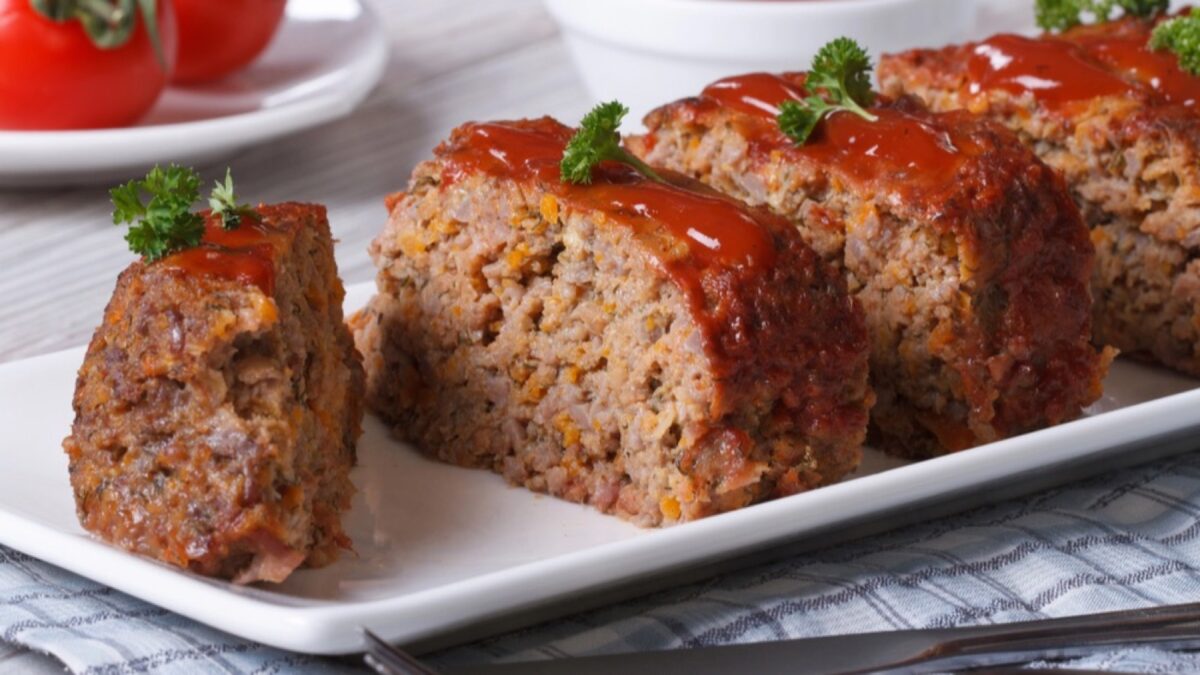
Meatloaf is familiar, filling, and relatively easy to prepare. Yet its reputation suffers when the finished dish becomes dry, dense, or bland.
The ingredients vary widely between households, which means two meatloaf recipes can taste completely different. A well-seasoned version with a flavorful glaze may appeal to someone who disliked the meatloaf they ate growing up.
For some people, the biggest objection is simply its appearance. A slice of ground meat baked into a loaf doesn’t create the same excitement as a grilled steak.
3. Pumpkin Pie
Pumpkin pie is strongly associated with Thanksgiving and autumn gatherings. Its soft, spiced filling and pastry crust make it a seasonal tradition.
But the texture can be divisive, especially among people who prefer firmer desserts. Others find that cinnamon, ginger, nutmeg, and cloves dominate the pumpkin flavor.
Apple and pecan pies often compete for attention on the holiday dessert table. Someone who enjoys Thanksgiving traditions may still choose a different dessert.
4. Coleslaw
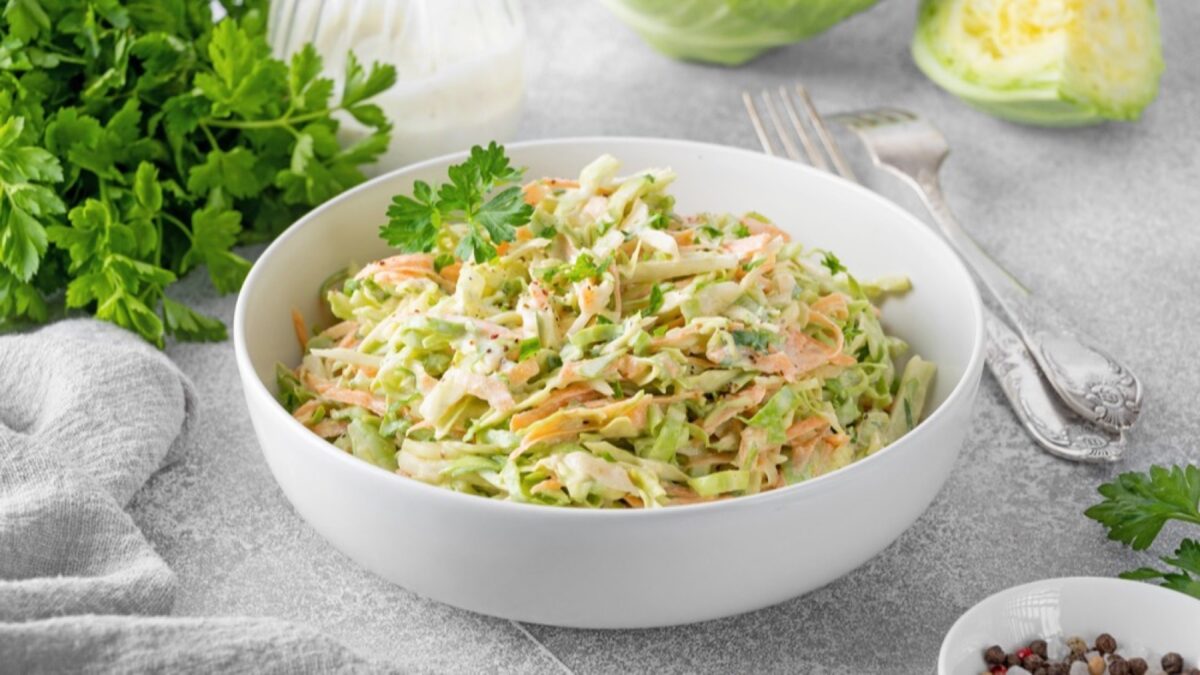
Coleslaw appears alongside barbecue, fried chicken, sandwiches, and seafood throughout the United States. It can be made with creamy mayonnaise dressing or a lighter vinegar-based mixture.
The problem for some diners is the combination of raw cabbage and dressing. Creamy versions may seem too heavy, while poorly prepared cabbage can become watery.
Fresh, properly seasoned coleslaw is quite different from a container that has been sitting for hours. Preparation makes a considerable difference.
5. Corn Dogs
Corn dogs combine a hot dog with a coating of cornmeal batter, usually fried until golden. They are familiar at fairs, sporting events, and concession stands.
Fans enjoy the contrast between the slightly sweet coating and savory sausage. Critics may find the batter too thick or feel that the dish offers little beyond an ordinary hot dog.
Like many fried foods, corn dogs are best judged by how they are prepared. A fresh one can taste very different from an overcooked frozen version.
6. Baked Beans
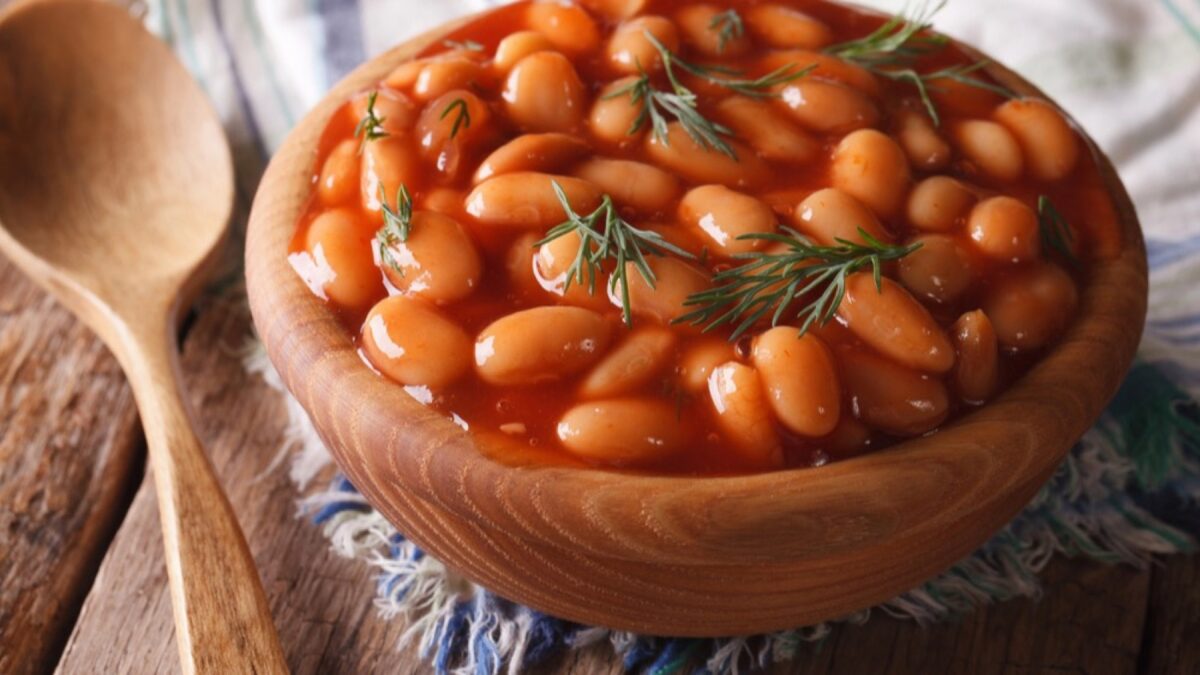
Baked beans are a familiar side dish at American cookouts and family gatherings. Recipes may include molasses, brown sugar, bacon, onions, or tomato-based ingredients.
Some people love their sweet and savory flavor, but others think the sweetness overwhelms the beans. Texture can also be an issue when the beans become too soft.
Regional variations offer different experiences, so disliking one recipe doesn’t necessarily mean rejecting the dish entirely.
7. Jell-O Salad
Few foods capture the unusual side of American food nostalgia like Jell-O salad. Its ingredients can include fruit, marshmallows, whipped topping, cottage cheese, or even vegetables.
The combination of sweet gelatin and unexpected ingredients can be difficult for unfamiliar diners to appreciate. Yet it remains meaningful in families where the same recipe appears at every celebration.
The Smithsonian’s history of gelatin cooking explains why these preparations became a recognizable feature of mid-century food culture. Other unusual old-fashioned dishes demonstrate how much American preferences have changed.
8. American Cheese
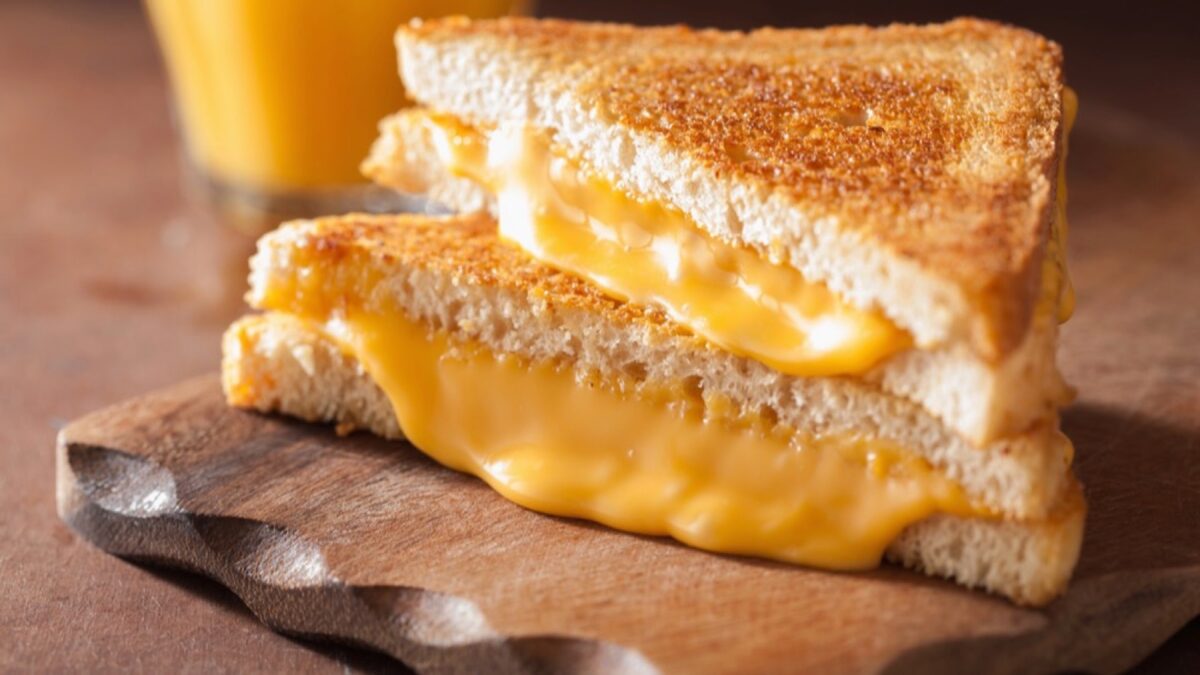
American cheese is widely associated with burgers, sandwiches, and grilled cheese. Its smooth melting properties make it convenient for dishes where a uniform texture matters.
Some cheese lovers criticize its mild flavor or prefer less processed varieties. Others appreciate exactly what it does well: melting consistently and adding a familiar creamy taste.
Different products sold under the name American cheese also vary in ingredients. Reading the package helps shoppers understand what they’re buying.
Is Any Food Really Overrated?
Food preferences depend on experience, preparation, and personal expectations. The same dish can be disappointing at one restaurant and excellent when prepared by someone who understands it.
Disliking a popular food doesn’t make anyone wrong. It simply shows that tradition and personal taste don’t always agree.