You can agree on where to live, how to spend the weekend, and what television show to watch, then discover that dinner is an entirely different matter. One person wants everything spicy, while the other thinks black pepper provides more than enough excitement.
Food preferences can become surprisingly personal because they often reflect childhood habits and family traditions. A meal that reminds one partner of home might be something the other has avoided for years.
Here are nine foods and eating habits that can create disagreements, along with simple ways couples can make mealtimes easier.
1. Spicy Food
One partner reaches for hot sauce before tasting dinner, while the other wants everything mild. This difference becomes complicated when preparing soups, stews, or sauces that rely on chili peppers for flavor.
The simplest compromise is to prepare a mildly seasoned base and let everyone adjust their serving. Keeping hot sauce, chili flakes, or chopped peppers on the table allows both partners to enjoy the meal without making separate dinners.
2. Onions
Some people consider onions essential to nearly every savory dish, while others dislike their flavor or texture. Raw onions can be particularly divisive because their sharpness is much more noticeable than that of slowly cooked onions.
Finely chopping and thoroughly cooking onions may help people who dislike large pieces. But if the objection is strong, preparing a small onion-free portion may be more practical than expecting someone to change their preferences.
3. Mushrooms
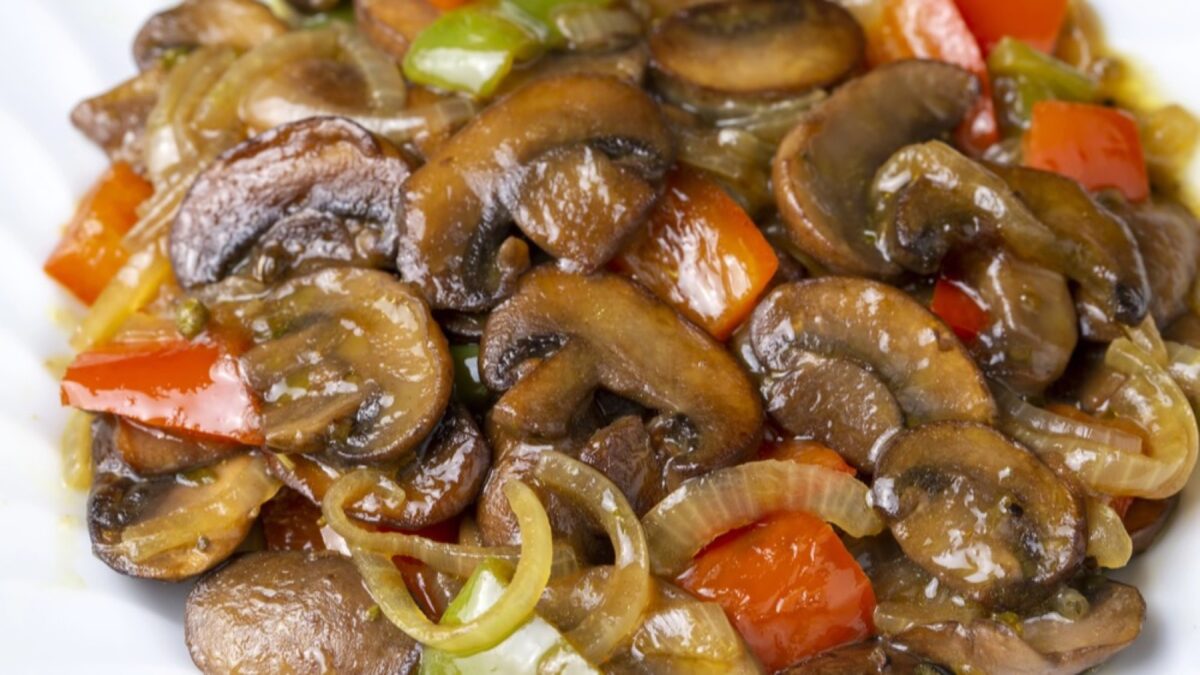
Mushrooms can divide couples because of their texture as much as their flavor. One partner may love sautéed mushrooms on steak, while the other finds their soft consistency unpleasant.
Fortunately, mushrooms are relatively easy to prepare separately. Cooking them in a small skillet allows one partner to enjoy the topping without changing the other person’s meal.
4. Seafood
Fish, shrimp, and other seafood can be favorites for one partner and completely unacceptable to another. Strong aromas, unfamiliar textures, and negative childhood experiences can influence these preferences.
Sometimes the disagreement involves more than taste because seafood allergies can be serious. The FDA identifies fish and crustacean shellfish among the major food allergens, making ingredient checks and precautions against cross-contact essential.
5. Rare or Well-Done Meat
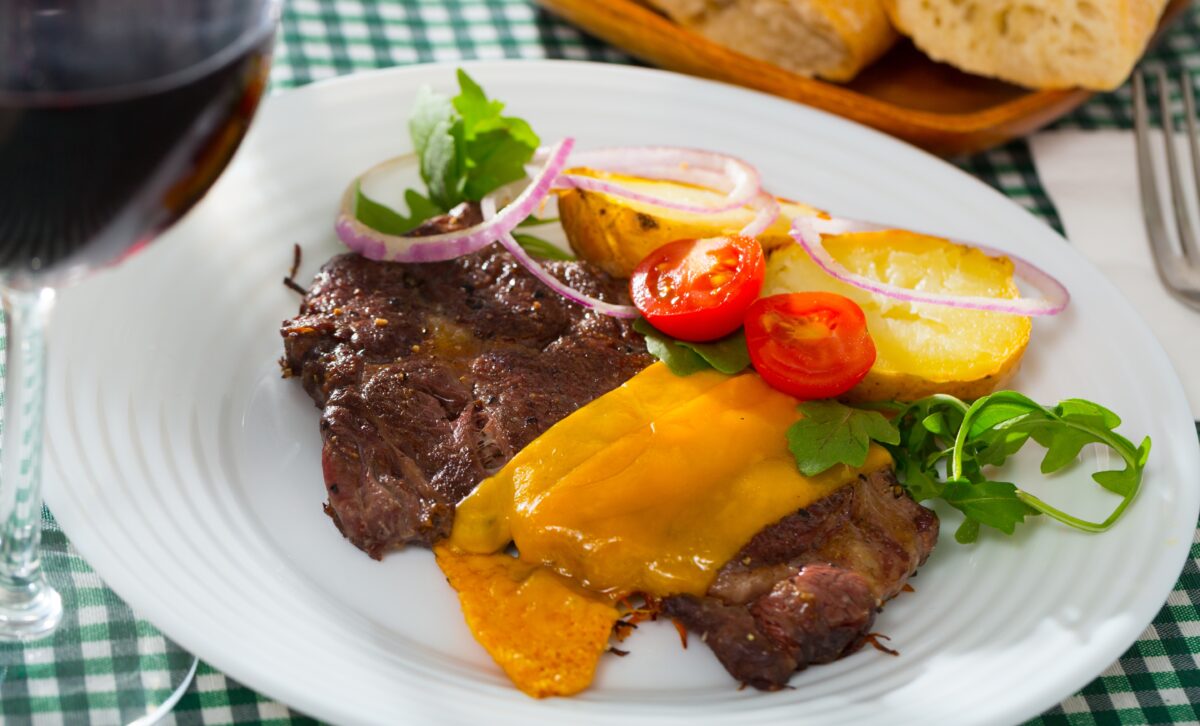
Steak preferences can create disagreements when one person enjoys a pink center and the other wants no visible pink. Both may believe their preferred preparation produces the best flavor and texture.
Cooking individual portions separately usually resolves the problem. Food safety still matters, and the USDA recommends cooking whole cuts of beef to 145°F with a three-minute rest and ground beef to 160°F.
6. Leftovers
One partner sees leftovers as tomorrow’s lunch, while the other prefers freshly prepared meals. The disagreement can affect grocery spending, meal planning, and how much food gets discarded.
Transforming leftovers into a different meal may help. Yesterday’s roast chicken can become today’s chicken soup, while leftover vegetables can be added to an omelet or rice dish.
7. Sweet and Savory Combinations
Pineapple on pizza is perhaps the most familiar example of this disagreement. Some people enjoy the contrast between sweet fruit, salty cheese, and savory toppings, while others believe fruit doesn’t belong on pizza.
The same debate can extend to raisins in savory dishes or cranberry sauce served with meat. Allowing optional toppings and sauces gives everyone more control without requiring two completely different meals.
8. Breakfast for Dinner
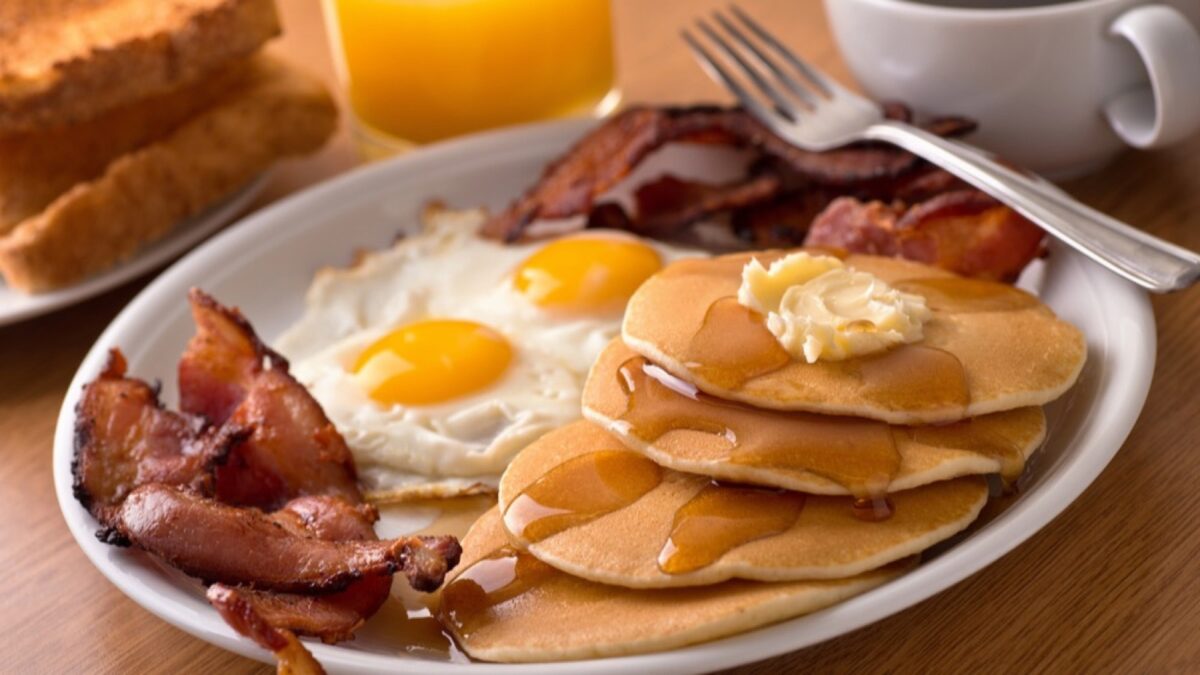
Pancakes, eggs, and bacon might sound like a perfect evening meal to one partner. The other may believe dinner should involve meat, vegetables, and something more substantial than traditional breakfast foods.
Breakfast dishes have always been adaptable, and even restaurant traditions reflect their appeal beyond the morning rush. A story about 85-cent pancakes at a Connecticut diner illustrates how simple breakfast favorites remain part of American family dining.
Adding vegetables, fruit, or another protein source can turn breakfast foods into a more complete evening meal. Couples can also designate an occasional breakfast-for-dinner night rather than making it a daily disagreement.
9. Homemade Food Versus Takeout
One person may enjoy preparing dinner because it feels economical and comforting. The other might prefer ordering food after a demanding day, especially when cooking also involves washing dishes.
This disagreement often concerns time and household responsibilities rather than the meal itself. Creating a weekly plan with designated cooking nights and an occasional takeout dinner can help both partners feel considered.
What Actually Makes Dinner Work
Couples don’t need identical food preferences to enjoy sharing meals. Respecting differences and distributing the work fairly matters more than convincing someone to enjoy every ingredient.
Small adjustments, such as serving sauces separately or rotating favorite dinners, can make a considerable difference. A successful family meal doesn’t require everyone to eat exactly the same thing.