Remember visiting Grandma’s kitchen and seeing things you couldn’t quite understand? There were strange-looking utensils, containers that never seemed to empty, and appliances that required more effort than simply pressing a button.
Many of those items served practical purposes, with some helping to save money and others making cooking easier. A few were simply part of the way families lived, long before modern kitchen gadgets became household essentials.
Here are 10 things you might remember from Grandma’s kitchen that are less common in younger households today. Some are still worth keeping around.
1. A Hand-Crank Egg Beater
Before electric mixers became standard kitchen equipment, hand-crank egg beaters helped cooks mix eggs, batter, and whipped ingredients. The device usually had two metal beaters connected to a handle and rotating gears.
Turning the handle made the beaters spin together, creating an effective mixing action without electricity. Many grandmothers continued using theirs even after buying electric mixers because they were convenient for small jobs and easy to clean.
2. A Flour Sifter
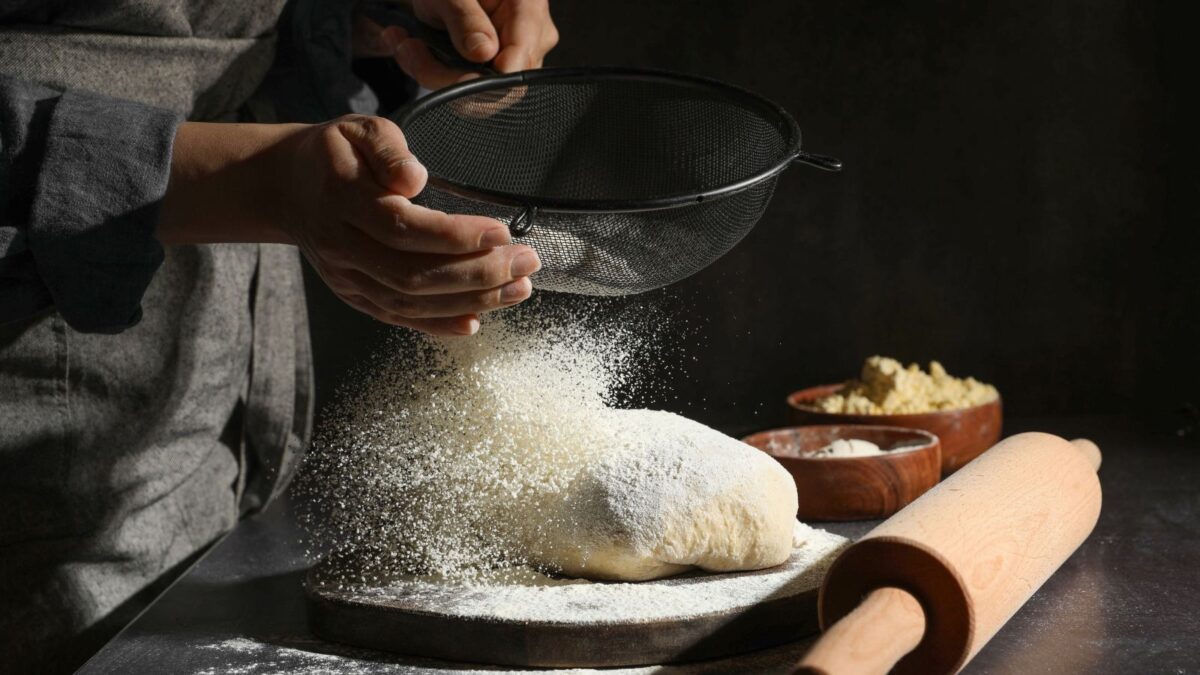
If Grandma loved baking, chances are she owned a metal flour sifter that she used regularly. Some had a squeeze handle, while others used a rotating crank to push flour through a fine mesh.
Sifting helped break up lumps and combine dry ingredients, making it useful for preparing cakes, biscuits, and other baked goods. Modern packaged flour is generally more consistent, and many recipes no longer require this separate step, but sifters remain useful for certain baking tasks.
3. A Grease Container Near the Stove
A small metal container sitting beside the stove was a familiar sight in many older kitchens. Inside was often bacon grease or another cooking fat saved after preparing breakfast.
Instead of throwing it away, Grandma might use the fat to season beans, fry potatoes, or prepare cornbread. The habit reflected a practical approach to household cooking, where throwing away usable ingredients seemed wasteful.
Today, cooks who save rendered fat should strain and store it properly, preferably in the refrigerator. The practice itself hasn’t disappeared, especially among people who enjoy traditional Southern cooking.
4. A Manual Food Mill
Before food processors became widespread, a manual food mill helped turn cooked ingredients into smooth sauces and purees. It typically consisted of a bowl, a perforated disk, and a hand-operated crank.
Grandma might use it to prepare applesauce, mashed vegetables, or tomato sauce while separating some skins and seeds. Modern blenders perform many similar tasks, but food mills still offer an advantage when cooks want a particular texture without completely liquefying their ingredients.
5. A Cookie Tin Filled With Sewing Supplies
One of the great childhood disappointments was opening a familiar cookie tin and discovering that it contained absolutely no cookies. Instead, there were needles, thread, buttons, safety pins, and perhaps a measuring tape.
Reusing sturdy food containers made sense in households where useful packaging wasn’t automatically discarded. The habit wasn’t limited to kitchens, but the tins often began their second lives there before becoming permanent storage containers for household supplies.
6. A Rolling Pin That Had Seen Better Days
Grandma’s rolling pin wasn’t necessarily decorative, and it certainly wasn’t something she kept hidden away. It was a working tool used for pie crusts, biscuits, cookies, and homemade noodles.
Wooden rolling pins could last for decades with proper care, and some families had a favorite one used for nearly every baking project. Although rolling pins remain common, ready-made pastry dough and packaged baking products have reduced the need to prepare everything from scratch.
7. A Butter Dish on the Counter
In many households, a covered butter dish was a fixture on the kitchen counter or dining table. Its purpose was simple: keep butter accessible and soft enough to spread on bread, biscuits, or toast.
Some grandmothers used ceramic dishes, while others had decorative glass containers reserved for family meals. Butter dishes remain popular today, but refrigerated spreads, different household routines, and food-storage preferences have changed how people serve butter.
Safe countertop storage depends on the type of butter, room temperature, and how long it remains unrefrigerated. Refrigeration is the safer choice for extended storage, particularly in warm kitchens.
8. A Set of Measuring Cups That Never Matched
Grandma didn’t always need a perfectly coordinated collection of kitchen equipment to prepare a good meal. Her measuring cups might include an old aluminum cup, a faded plastic set, and a glass measuring jug with markings worn by years of use.
Despite their appearance, she knew exactly which one worked best for each job. Modern kitchens often feature matching sets, but those older mismatched tools remind us that usefulness mattered more than appearance.
9. A Well-Used Recipe Box
Before cooking websites and smartphone apps, recipes often lived in a small wooden or metal box. Inside were handwritten cards, newspaper clippings, magazine cutouts, and recipes copied from friends.
Some instructions were wonderfully vague, with a pinch of salt, a handful of flour, or baking until the dish looked right being all Grandma wrote down. Those cards were more than cooking instructions because they documented family celebrations, familiar meals, and recipes passed between generations.
In an article about things grandmothers kept, Crafting Your Home also explores how older household habits reflected practical approaches to saving and reusing everyday items. Those traditions often extended beyond the kitchen into nearly every part of the home.
10. A Heavy Cast-Iron Skillet
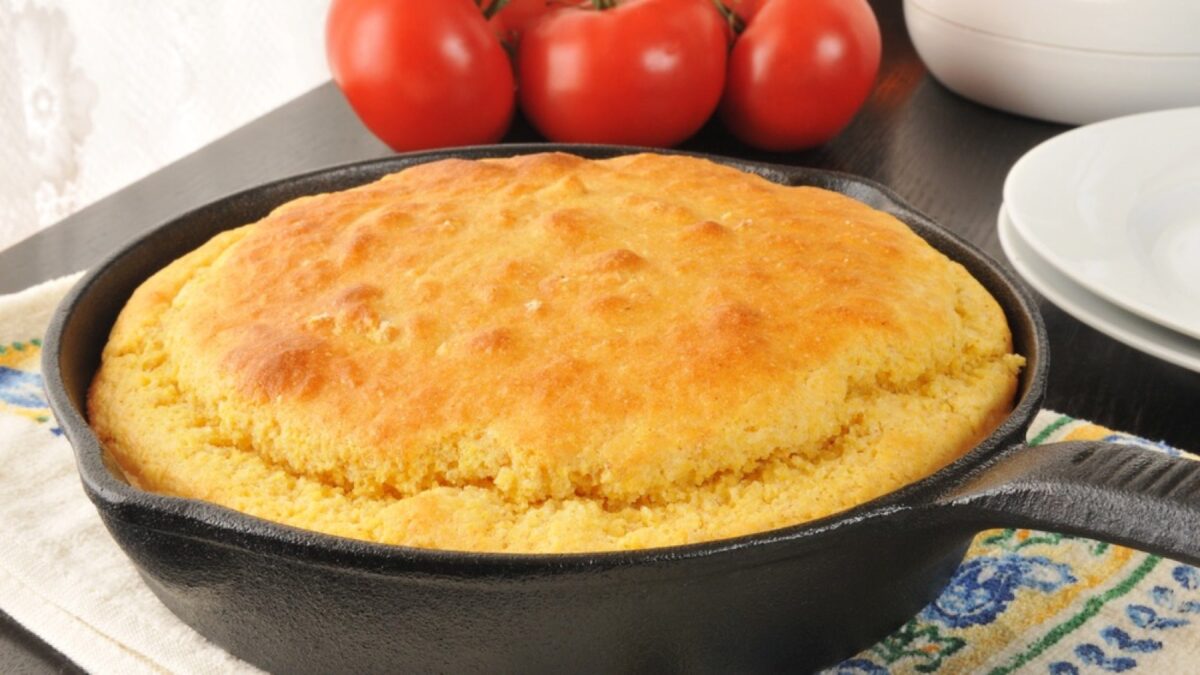
A cast-iron skillet might have been the most dependable piece of equipment in Grandma’s kitchen. It could fry chicken, cook cornbread, brown meat, or prepare breakfast over a stovetop.
With proper maintenance, cast iron develops a seasoned cooking surface and can remain useful for generations. Unlike some cookware, it can often be restored after years of neglect, which helps explain why these skillets continue to have devoted users.
Why Grandma’s Kitchen Felt Different
Many of these kitchen items belonged to a time when people repaired, reused, and maintained household equipment for years. The Smithsonian’s food history exhibits document how changing kitchen technology gradually reduced the time required for everyday meal preparation.
That convenience has real benefits, but some older tools remain useful because they perform simple tasks remarkably well. And if your grandmother’s kitchen is still around, there might be a perfectly good rolling pin, food mill, or cast-iron skillet waiting to be used again.