We’ve all been there. You’re strolling through a home goods store or scrolling through Amazon when something catches your eye. It promises to make your life easier, your home cleaner, or your kitchen more organized. Before you know it, you’ve added it to your cart.
Fast-forward a few months, and that supposedly life-changing purchase is collecting dust in a cabinet, taking up valuable counter space, or sitting untouched in the garage.
The funny thing about household gadgets is that many solve problems we never really had. Others look fantastic in advertisements but turn out to be more trouble than they’re worth.
If you’ve ever wondered why your cabinets are overflowing with things you rarely use, these 12 household purchases might explain a lot.
Automatic Soap Dispensers
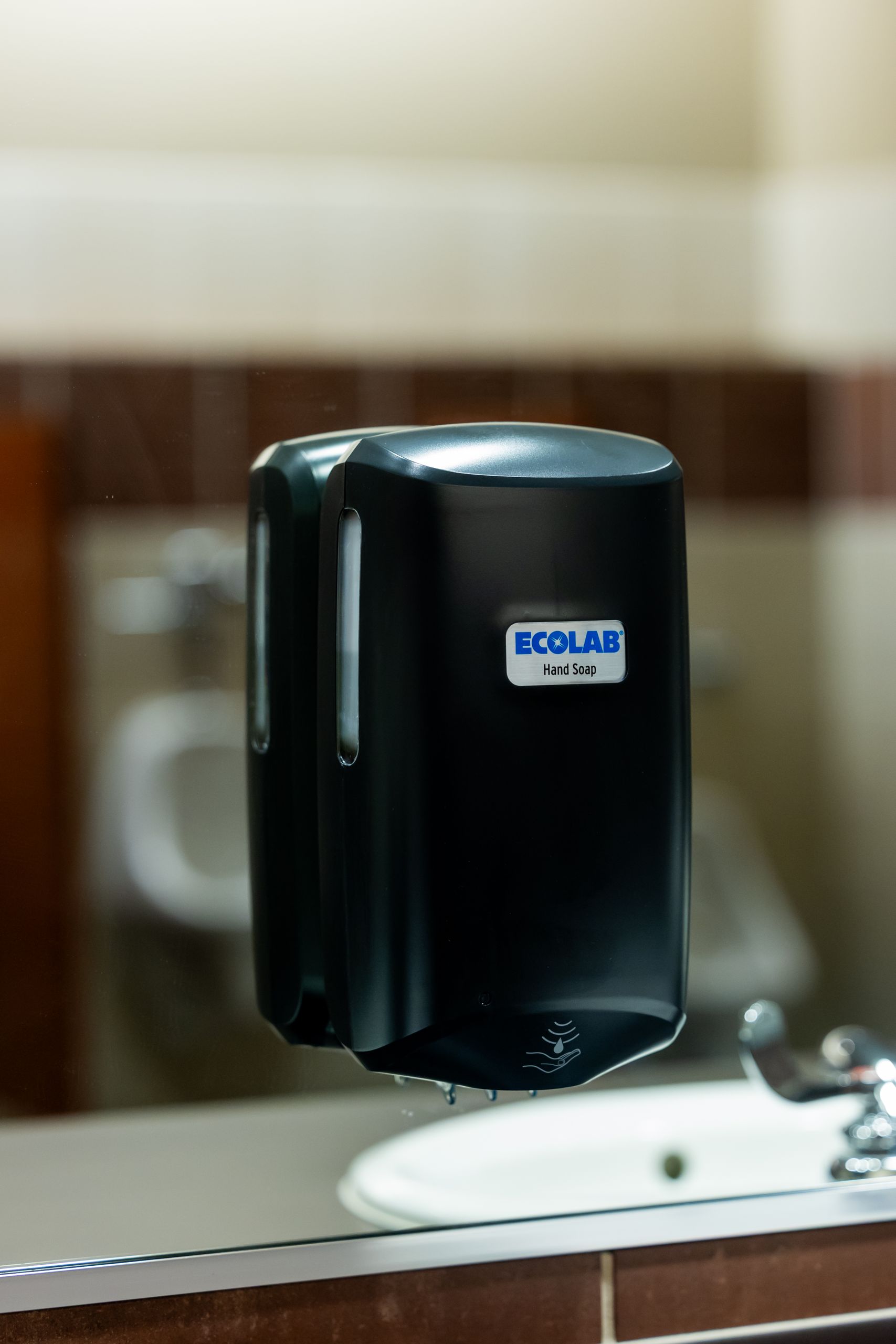
Touchless soap dispensers seem like a brilliant upgrade to the traditional pump bottle.
Wave your hand underneath, and the perfect amount of soap appears. At least, that’s the idea.
In practice, some dispensers release soap unexpectedly, fail to recognize your hand, or require frequent battery replacements.
Others only work consistently with certain soap formulas.
When a simple pump bottle does the job without batteries or sensors, the fancy alternative can start feeling unnecessary.
Banana Slicers
Somewhere along the way, someone decided that slicing a banana with a regular kitchen knife was too much work.
Enter the banana slicer, a plastic gadget designed to cut an entire banana into evenly sized pieces in one motion.
It sounds convenient until you realize a knife can do the same job in seconds. Worse, some slicers struggle with larger or curved bananas, leaving uneven pieces and another gadget to wash.
Unless you’re slicing bananas by the dozen, you can probably live without this kitchen tool.
Electric Can Openers
Electric can openers promise effortless convenience, particularly when you’re preparing dinner and need to open several cans quickly.
But for many households, they become another appliance that takes up precious counter space.
Some models require careful positioning, regular cleaning, and occasional troubleshooting when the cutting mechanism doesn’t work properly.
A reliable manual can opener is usually smaller, easier to store, and perfectly capable of handling everyday kitchen tasks.
Of course, electric models can be genuinely helpful for people with limited hand strength or mobility. The regret comes when you buy one for convenience and discover you hardly ever need it.
Decorative Throw Pillows That Nobody Uses
A beautiful sofa surrounded by perfectly coordinated throw pillows looks incredible in furniture catalogs.
Real life is a little different.
You sit down to watch television, and suddenly you’re removing six pillows to find somewhere comfortable to relax.
Then comes the nightly routine of arranging them again so the living room looks presentable.
Decorative pillows can make a space feel inviting, but buying too many often creates more work than comfort.
Sometimes, two practical cushions are all a sofa needs.
Bread Machines
The dream is irresistible: wake up every morning to the smell of freshly baked bread without doing much work.
That’s exactly why bread machines often seem like such a smart purchase.
For some families, they’re wonderful appliances that get used every week. For others, the excitement disappears after the first few loaves.
Measuring ingredients, cleaning the machine, finding storage space, and remembering to use it can make the process feel less effortless than expected.
Eventually, the bread machine gets pushed into a cabinet, only to reappear during a major kitchen cleanout.
Oversized Kitchen Utensil Sets
Buying a matching set of 20 kitchen utensils feels like the responsible thing to do when setting up a kitchen.
There are spatulas, ladles, whisks, serving spoons, pasta servers, and several mysterious tools you might never identify.
The problem? Most home cooks regularly reach for the same handful of utensils.
The remaining pieces sit in drawers, creating clutter and making it harder to find what you actually need.
Instead of buying everything at once, purchasing individual tools as you need them is often more practical.
Mini Desktop Vacuum Cleaners
A tiny vacuum cleaner designed specifically for your desk sounds adorable and surprisingly useful.
Who wouldn’t want a miniature cleaning machine to remove cookie crumbs and dust from a workspace?
Unfortunately, some inexpensive versions offer disappointing suction and struggle with anything larger than a few crumbs.
They also need batteries or charging, and you still have to empty their tiny dust compartments.
A damp cloth, small brush, or the vacuum you already own can often handle the same job.
It’s a perfect example of a gadget that’s entertaining to buy but easy to forget.
Fancy Ice Cube Molds
Remember when everyone suddenly needed giant spherical ice cubes, diamond-shaped ice, or miniature frozen stars?
Specialty ice molds can make drinks look impressive, especially when entertaining guests.
But many become frustrating when they’re difficult to fill, spill water in the freezer, or refuse to release the ice without a struggle.
Silicone molds can also take up more freezer space than expected.
Unless you frequently make drinks that benefit from specialty ice, a regular ice cube tray is probably enough.
Single-Purpose Egg Cookers
Electric egg cookers promise perfectly prepared eggs with little effort.
Some models can boil, poach, or steam eggs, which sounds like a fantastic breakfast solution.
The trouble starts when you realize that you still need to measure water, clean components, and find somewhere to store the appliance.
For households that only cook eggs occasionally, a saucepan may be just as convenient.
However, people who prepare eggs daily might find these gadgets genuinely useful. It all depends on whether the appliance fits your routine.
Excessive Storage Bins and Organizers
There’s something deeply satisfying about walking into a store and seeing rows of matching storage containers.
They promise a perfectly organized home where everything has its place.
Unfortunately, buying more storage containers doesn’t automatically mean you have less clutter.
Sometimes, it just means you’ve spent money creating attractive hiding places for things you don’t actually need.
Before purchasing another set of baskets, consider sorting through the belongings you already have.
You may discover that the best organizing solution isn’t another container. It’s simply having fewer things to organize.
Electric Wine Bottle Openers
Electric wine openers look sophisticated, especially when they come with charging stands and matching accessories.
They’re also popular gifts, which explains why so many end up in kitchen cabinets.
For someone who opens wine regularly, an electric opener might be convenient. But occasional users may find that charging, storing, and maintaining the gadget requires more effort than using a traditional corkscrew.
It’s another purchase that can make an ordinary task seem unnecessarily complicated.
Novelty Kitchen Gadgets
Avocado slicers, strawberry hullers, pineapple corers, and specialized vegetable cutters all have one thing in common: they make a very specific kitchen task look incredibly easy.
And sometimes, they work exactly as advertised.
The problem is that many people don’t prepare those particular foods often enough to justify keeping a dedicated gadget.
You might use an avocado slicer enthusiastically for the first week, only to forget about it once the excitement fades.
Meanwhile, an ordinary knife and spoon sit in the drawer, ready to do the same job.
Buying tools based on your actual cooking habits rather than clever demonstrations can save money and valuable kitchen space.
Why We Keep Buying Things We Don’t Need
The appeal of unnecessary household products isn’t particularly mysterious.
Retailers know that convenience, attractive packaging, and impressive demonstrations can make even ordinary gadgets seem irresistible.
A product that promises to save time or eliminate a frustrating chore can feel like a worthwhile investment, especially when the price seems small.
But those little purchases add up.
The real cost isn’t always the money spent. It’s also the storage space, maintenance, cleaning, and mental effort required to manage another object in your home.
That doesn’t mean every specialized gadget is a waste. A bread machine might be essential to one family, while another household never touches theirs. The difference is how often you genuinely use the product.
Before buying your next clever household invention, ask yourself three simple questions: Do I already own something that does this job? How often will I realistically use it? And where will I keep it?
If you struggle to answer those questions, leaving the item on the shelf might be the smartest purchase decision you make.
After all, a comfortable, functional home isn’t necessarily one filled with the latest gadgets. Sometimes, it’s one where everything you own actually earns its place.