Grocery shopping used to be simple. You grabbed a cart, picked up your usual items, and headed home. Now, a few bags of groceries can leave you wondering whether you accidentally bought something made of gold.
And you’re not imagining the squeeze. According to the Bureau of Labor Statistics, Americans spent an average of $6,491 on food at home in 2025. That’s roughly $541 a month, and grocery prices remain considerably higher than they were in early 2020.
The good news? You don’t have to survive on instant noodles or give up your favorite snacks to spend less. Sometimes, the biggest savings come from a few small changes in your shopping habits.
Here are 10 practical grocery shopping tricks that could help you keep more money in your pocket.
Stop Assuming Your Favorite Store Has the Best Prices

Loyalty is wonderful in relationships, but it can get expensive at the supermarket.
A 2026 Consumer Reports comparison of grocery baskets across six metropolitan areas found price differences exceeding 33% between the highest- and lowest-priced mainstream stores in each city.
That doesn’t mean switching stores automatically cuts your bill by a third. However, it shows how much store choice can matter.
Pick 10 to 15 products you buy regularly, such as eggs, milk, rice, and chicken. Compare their total cost at two or three nearby supermarkets.
You might discover your usual store isn’t giving you the bargain you thought.
Look at the Unit Price, Not the Giant Package
Ever grabbed the biggest box of cereal because you assumed buying more meant paying less?
That assumption can cost you.
Consumer Reports highlighted an example where a 28-ounce bag of frozen peas cost $1.99, while a larger 32-ounce bag cost $2.48. Surprisingly, the smaller bag was cheaper per ounce.
The trick is checking the little unit-price label on the shelf.
Compare prices per ounce, pound, or another matching measurement. If you have a coupon, calculate the final price before deciding.
And remember, a giant package isn’t a bargain if half of it ends up forgotten in your pantry.
Give Store Brands a Chance
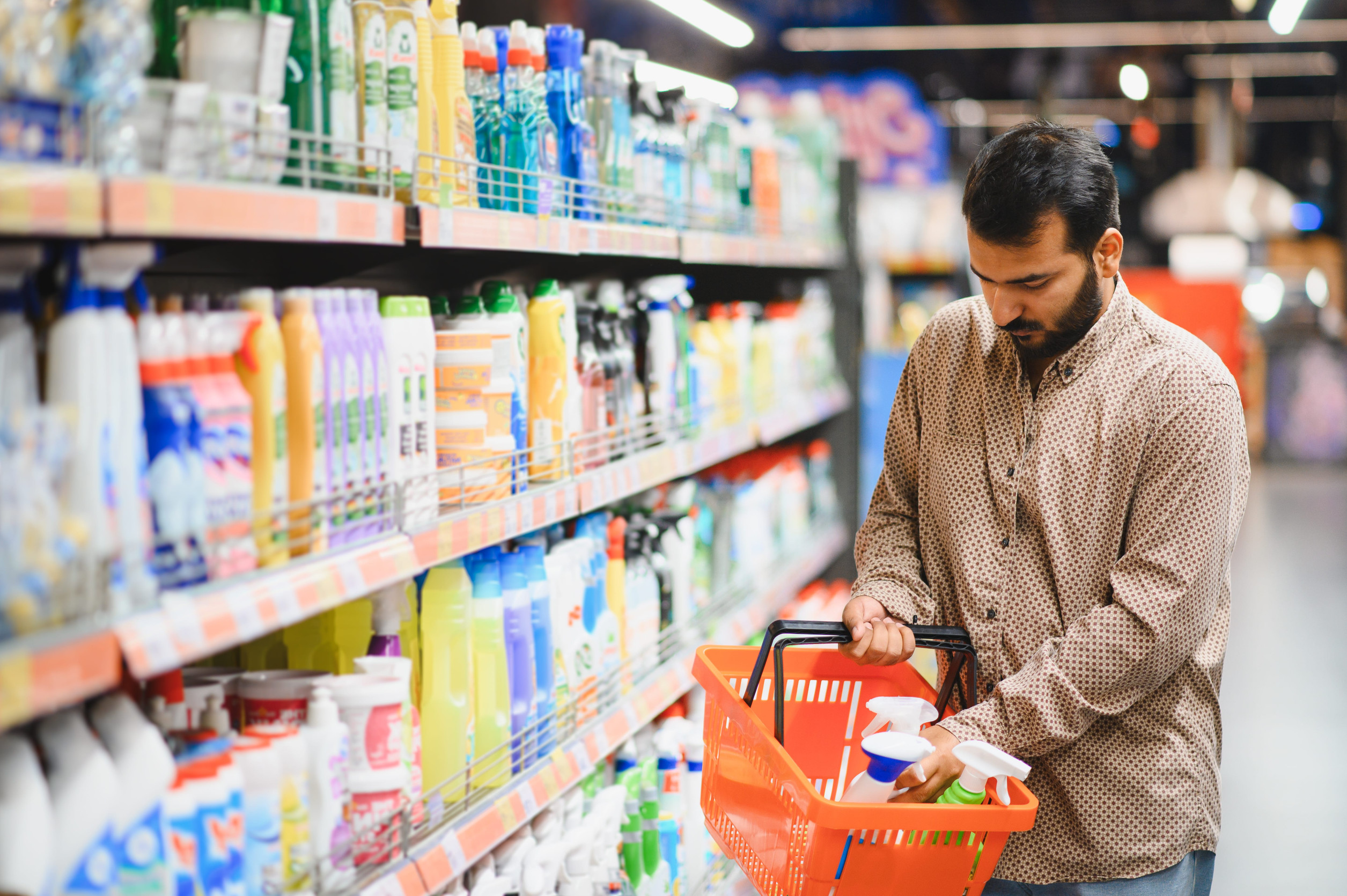
Some shoppers treat store brands like suspicious strangers. But that generic-looking box might contain exactly what your grocery budget needs.
According to the Private Label Manufacturers Association’s 2026 report, store-brand sales reached $282.8 billion in 2025 across tracked retail channels.
The report also cited industry research showing branded products were approximately 19% more expensive than store-brand alternatives on average.
Start with everyday staples like flour, oatmeal, canned beans, pasta, and frozen vegetables.
You don’t have to abandon every favorite brand. Just swap a few products and see whether anyone notices.
Clip Digital Coupons Before Entering the Store
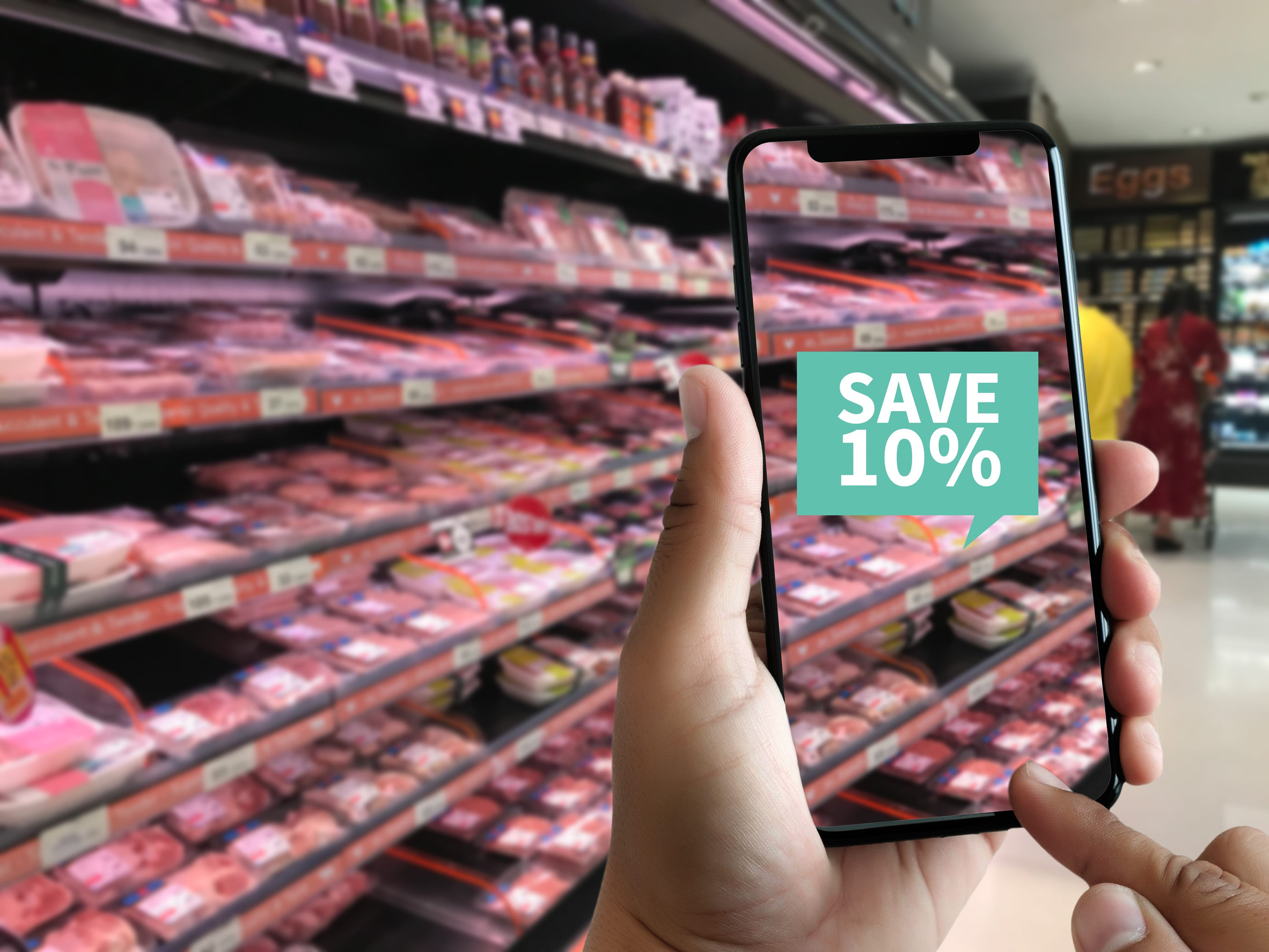
Here’s an annoying situation: You find an amazing advertised discount, reach checkout, and discover you needed to activate it beforehand.
Many supermarket digital coupons don’t apply automatically.
At Kroger, shoppers must add eligible digital coupons to their accounts before redeeming them. Publix also requires shoppers to clip digital offers.
Before leaving home, spend five minutes checking your supermarket’s app or website.
Focus on products already on your shopping list. Buying something unnecessary just because it’s discounted isn’t saving money. It’s spending money with extra steps.
Learn the Secret Rules Behind BOGO Deals
Buy one, get one free sounds like an obvious bargain. But sometimes, you don’t even need to buy two.
Publix explains that in some states, shoppers can purchase one BOGO item at half price. In other states, both items are required.
That’s worth checking before loading your cart.
Coupon stacking rules also differ between stores. Publix permits certain combinations of manufacturer and store coupons, while Kroger follows different restrictions.
Always read the promotion details and compare the final price with cheaper alternatives.
A flashy BOGO sign doesn’t automatically mean you’ve found the lowest price.
Hunt for Discounted Food Without Guessing Markdown Times
Forget those social media tips claiming every supermarket marks down meat at exactly 8 a.m. No single magical discount hour works everywhere.
A better approach is checking actual markdown programs.
For example, Flashfood advertises discounts of up to 50% on selected surplus groceries at participating supermarkets.
Depending on availability, shoppers may find discounted produce, baked goods, dairy products, or meat.
The catch? Inventory changes, and participating locations vary.
Check available deals before you go, and buy only what you’ll realistically use.
A discounted package of strawberries isn’t a victory if it spends its final days growing fuzzy in your refrigerator.
Stop Assuming Fresh Is Always the Best Deal
Fresh produce looks beautiful, but sometimes the freezer aisle deserves a little appreciation.
USDA research using 2023 price data found canned corn averaged $0.68 per edible cup equivalent, compared with $1.42 for fresh corn.
Frozen raspberries also cost less than fresh raspberries in that comparison.
However, fresh apples were cheaper than applesauce, proving that processed options don’t always win.
The lesson? Compare fresh, frozen, and canned versions based on how much usable food you’re getting.
For soups, casseroles, and pasta dishes, a less expensive alternative may work perfectly well.
Shop Your Own Kitchen Before Shopping the Store
Your refrigerator might be hiding more savings than any coupon app.
The Environmental Protection Agency estimated that uneaten food costs Americans approximately $728 per person annually, based on 2023 prices. That estimate includes food purchased from grocery stores and foodservice establishments.
Think about the forgotten spinach, duplicate ketchup bottles, and mysterious containers pushed to the back of the fridge.
Before shopping, check what you already have.
Plan a few meals around ingredients that need using, then buy only what’s missing.
This simple habit can reduce unnecessary purchases and help you avoid throwing away food you’ve already paid for.
Check Your Receipt Before Leaving
Nobody enjoys standing at the register inspecting every number. But those little pricing mistakes can add up.
A 2025 Consumer Reports investigation found more than 150 products with expired sale labels that resulted in overcharges at the Kroger-family stores it examined.
The average overcharge among the affected items was $1.70.
Here’s something even more interesting: Publix has a policy under which one qualifying item that scans higher than its shelf or advertised price is free.
Other supermarkets have different policies, so check yours.
Watch prices as items scan, especially when buying sale items.
That discount isn’t helping your budget if it never makes it onto your receipt.
Stop Paying Delivery Fees You Could Avoid
Grocery delivery is convenient, especially after a long day. But convenience can quietly inflate your total.
Walmart lists a $9.95 standard delivery fee for nonmembers, while qualifying pickup orders over $35 are free.
That means choosing pickup over delivery could eliminate a fee on an order you were already planning to place.
Of course, consider transportation costs, your schedule, and the final checkout total.
The goal isn’t to inconvenience yourself to save a dollar. It’s to avoid paying extra when a practical, cheaper option already exists.
Small Changes Can Make a Big Difference
Saving money on groceries doesn’t require becoming an extreme coupon collector or visiting five supermarkets every Saturday.
Start with two or three habits: compare prices, check your pantry, and watch unit costs. Once those become routine, experiment with digital deals, store brands, and markdown programs.
No single trick guarantees huge savings, and results depend on what you buy and where you shop.
But the next time your grocery total makes you question your life choices, remember that smarter shopping often begins long before you reach the checkout line.