Milk, bread, beans, and produce are familiar grocery purchases. Beginning November 4, 2026, updated federal rules change how much variety most stores authorized to accept Supplemental Nutrition Assistance Program benefits must maintain across four staple-food categories.
The requirements concern retailers’ eligibility to accept SNAP. They are not a new nationwide restriction on what participating households may buy, and this stocking rule does not change household eligibility or benefit amounts.
For shoppers, the change is about the selection available on store shelves. For retailers covered by the inventory requirements, it means maintaining more qualifying food varieties and offering perishable foods across more categories.
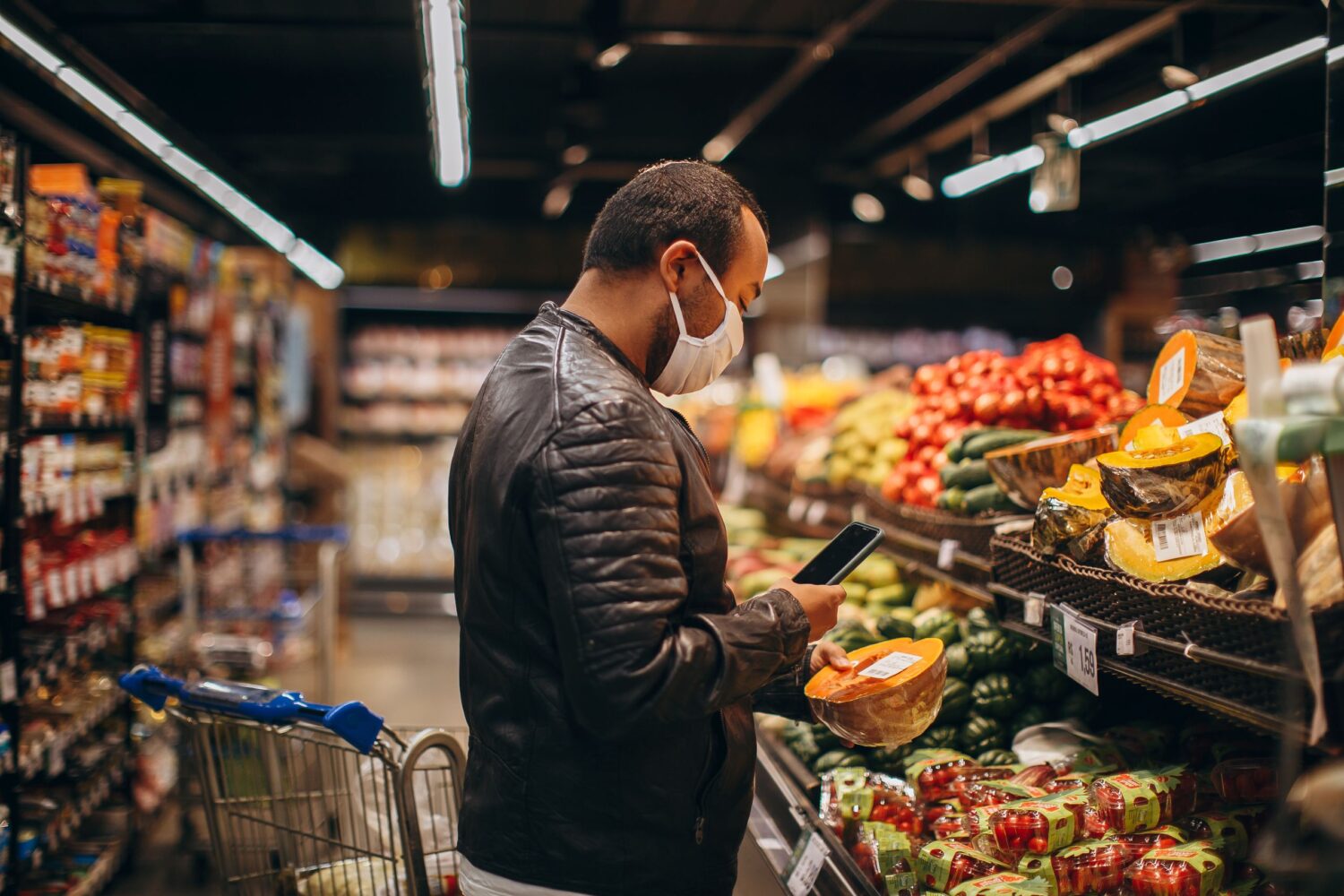
What Participating Stores Must Stock
Under the USDA’s updated SNAP stocking standards, covered retailers must continuously carry at least seven varieties in each of four categories: dairy, grains, protein, and vegetables or fruits.
That totals at least 28 qualifying varieties.
Stores must also maintain three stocking units of each variety, bringing the minimum to 84 units. A stocking unit is the form in which a food is normally sold, such as a can, bag, box, bunch, or package.
The products must be available for sale and normally displayed in a public area. This requirement focuses on maintaining an inventory customers can purchase, not simply recording products on an order sheet.
The previous inventory standard required three varieties in each category and perishable foods in at least two categories. The updated requirements increase the minimum variety and expand the perishable-food requirement to three categories.
More Packages Do Not Necessarily Mean More Variety
Counting varieties involves more than counting brands, package sizes, or different forms of the same food.
USDA gives tomatoes as an example. Fresh tomatoes, canned tomatoes, tomato paste, and qualifying tomato sauce count as the same tomato variety, not four separate varieties.
That distinction matters because a shelf can hold numerous products without meeting the rule’s definition of variety.
A store cannot necessarily satisfy the standard by adding several sizes of one product or stocking the same food under different labels. The qualifying food itself, rather than its packaging, determines how it counts.
For retailers, that makes inventory composition important. For shoppers, it explains why the rule focuses on different staple foods rather than simply requiring more packages.
Perishable Does Not Mean Fresh Produce Only
Covered stores must offer at least one qualifying perishable variety in three of the four staple-food categories.
USDA defines a perishable variety as a staple food that would spoil or significantly deteriorate in quality within two to three weeks if left at room temperature.
Qualifying foods may be fresh, refrigerated, frozen, or unrefrigerated. A shelf-stable item does not become a qualifying perishable food simply because it needs refrigeration after opening.
For example, a retailer could meet the category requirement through qualifying milk, fresh chicken, and fresh produce. Those are examples, not a mandatory shopping list for every store.
USDA’s sample pathways to compliance show different combinations of foods that can satisfy the requirements.
That flexibility is important: the rule sets minimum standards, but it does not require every participating store to carry an identical selection.
Some Familiar Foods No Longer Count Toward the Minimum
The updated standards also change which foods count toward a retailer’s required staple-food inventory.
USDA identifies butter, jerky, snack bars, and certain dips, spreads, and shake powders or mixes among the affected classifications.
These foods no longer count toward the inventory minimum used to determine a store’s SNAP authorization. That does not, by itself, make them ineligible for purchase with SNAP benefits.
A shopper may therefore encounter a product that remains purchasable but does not help a retailer meet its stocking requirement. Store-authorization rules and household purchasing rules serve different purposes.
State-specific purchasing restrictions are a separate matter and may apply. The November 4 stocking deadline should not be confused with those policies.
Specialty Food Stores Have Different Provisions
The general inventory requirements should not be read as a demand that every butcher shop or produce stand become a full-service grocery store.
USDA distinguishes specialty food stores, including butcher shops, fish markets, and produce stands, from other retailers covered by the stocking requirements.
Businesses specializing in a single staple-food category may qualify under separate staple-food sales provisions.
A business’s classification therefore matters. Retailers should consult the applicable agency guidance rather than assume that every SNAP-authorized store follows the same inventory pathway.
The change also does not require every grocery business in the country to accept SNAP. It concerns the requirements for participating in the program.
What Shoppers May Notice
A store that previously carried fewer qualifying varieties may change its selection to meet the updated minimum.
However, the rule does not guarantee a particular brand, price, or product at every location. Retailers still choose which qualifying foods to carry.
Nor does it require every store to add new refrigeration or build a larger building. The practical implications depend on its existing stock and how it satisfies the requirements.
For shoppers, the intended result is a broader selection of staple foods at participating stores. Whether a particular store adds products or already meets the standard depends on its inventory.
How Retailers Can Check Their Inventory
USDA provides a SNAP stocking standards calculator to help businesses assess their inventory.
The calculator is a planning tool, not an authorization decision. USDA’s Office of Retailer Operations and Compliance determines whether a store meets the requirements.
Stores that fail to meet applicable standards can lose authorization to accept SNAP. Retailers with questions should consult current agency guidance rather than rely on assumptions about temporary shortages or exceptions.
For customers, the distinction remains straightforward: this changes participating stores’ stocking obligations, not household benefits.
As stores consider the variety on their shelves, which everyday staple would make the biggest difference to your neighborhood grocery store’s usefulness?