Some foods don’t simply arrive at the dinner table. They start arguments. A single anchovy can ruin someone’s pizza, while a spoonful of blue cheese can turn an ordinary salad into a culinary controversy.
The numbers tell quite a story. In July 2025, YouGov surveyed 2,239 American adults about 40 foods and found that 56% disliked or hated anchovies, while 54% felt the same about liver.
But what makes one person’s delicacy another person’s dinner nightmare? A separate 2023 Instacart/Harris Poll of 2,032 adults found that 66% considered smell a reason foods become controversial, while 57% pointed to strong flavors and another 57% to texture. Those answers don’t establish why people reject individual foods, but they offer fascinating clues.
Here are nine foods that divide American diners, along with what surveys and food experts reveal about their unusual reputations.
Anchovies: The Tiny Fish With a Big Reputation
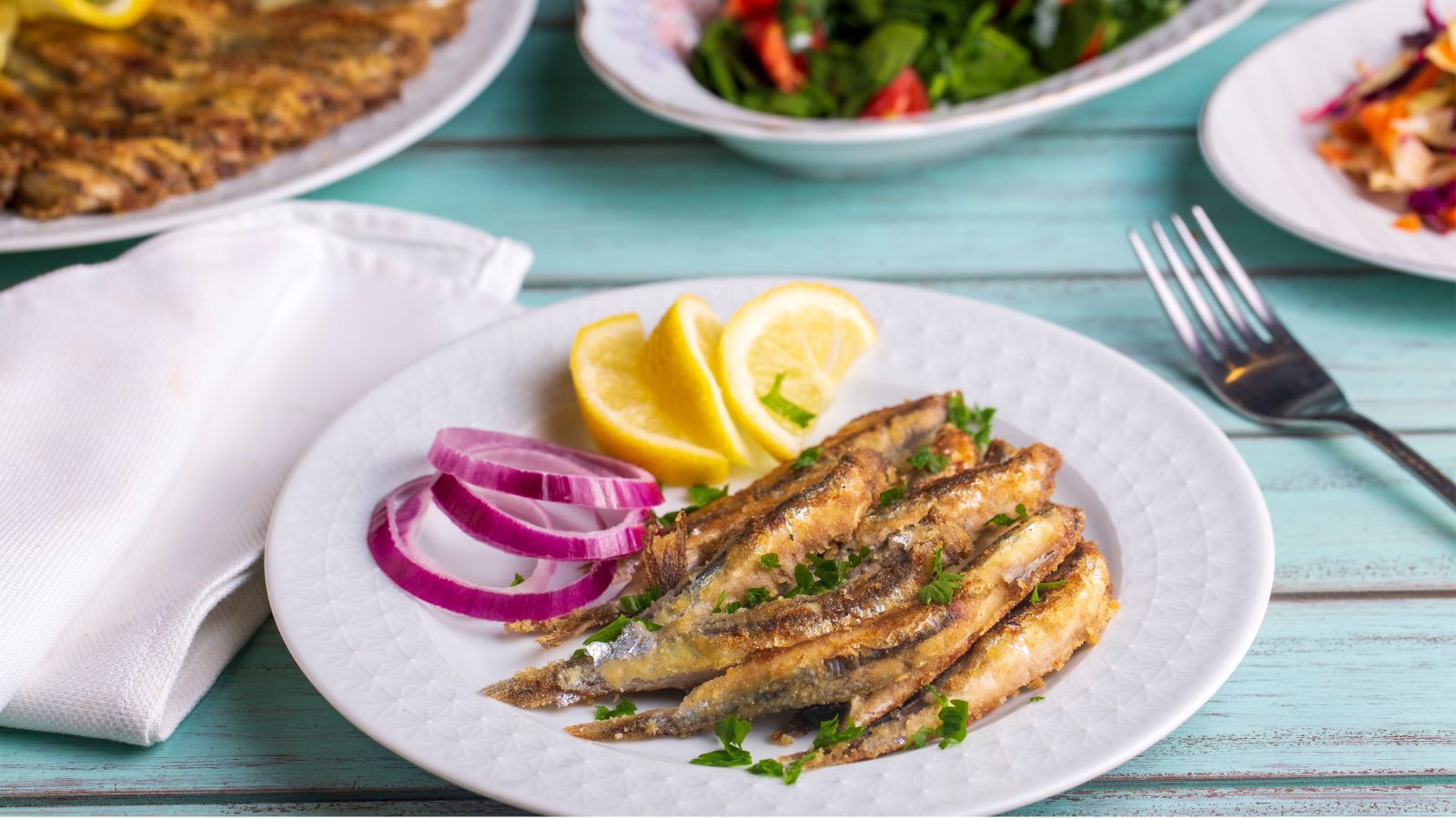
Small enough to disappear beneath pizza toppings, anchovies somehow manage to make their presence impossible to ignore. Their intense, salty character can transform a dish, but not everyone welcomes that transformation.
According to YouGov’s 2025 survey, 56% of Americans disliked or hated anchovies, making them the most negatively rated food among the 40 surveyed. A separate Instacart/Harris Poll in 2023 found that 50% of respondents said they hated them.
Instacart trends expert Laurentia Romaniuk pointed to anchovies’ concentrated briny flavor, fishy notes, and challenging texture as possible reasons for their divisiveness.
For some diners, that boldness is precisely the attraction. For others, even one anchovy is one too many.
Liver: A Flavor That Refuses to Be Forgotten
Liver doesn’t believe in subtle introductions. Its distinctive taste announces itself immediately, leaving little room for indifference.
The 2025 YouGov findings revealed that 54% of respondents disliked or hated liver. More strikingly, 40% selected “hate,” giving it the highest outright hatred rating among the surveyed foods.
Food chemistry offers some insight into its powerful character. Research published in the Journal of Agricultural and Food Chemistry identified compounds associated with metallic, fishy, and liverlike notes in experimentally oxidized pork liver.
That research doesn’t prove why Americans reject liver, but it helps explain why this particular ingredient has such a recognizable flavor. Liver rarely leaves the conversation quietly.
Black Licorice: The Candy That Divides Generations
Few candies inspire such immediate affection or rejection as black licorice. One bite delivers a bold, unmistakable flavor that refuses to hide behind sweetness.
In the 2023 Instacart/Harris Poll, 45% of American adults said they hated black licorice, placing it second among the foods included in that survey.
Romaniuk suggested that its pronounced anise-and-fennel flavor, combined with a chewy texture, could explain why people react so strongly.
And considering that 57% of respondents in the same survey identified strong flavor as something that can make food controversial, black licorice certainly fits the conversation. Sometimes candy isn’t about sweetness alone.
Oysters: When Texture Steals the Spotlight
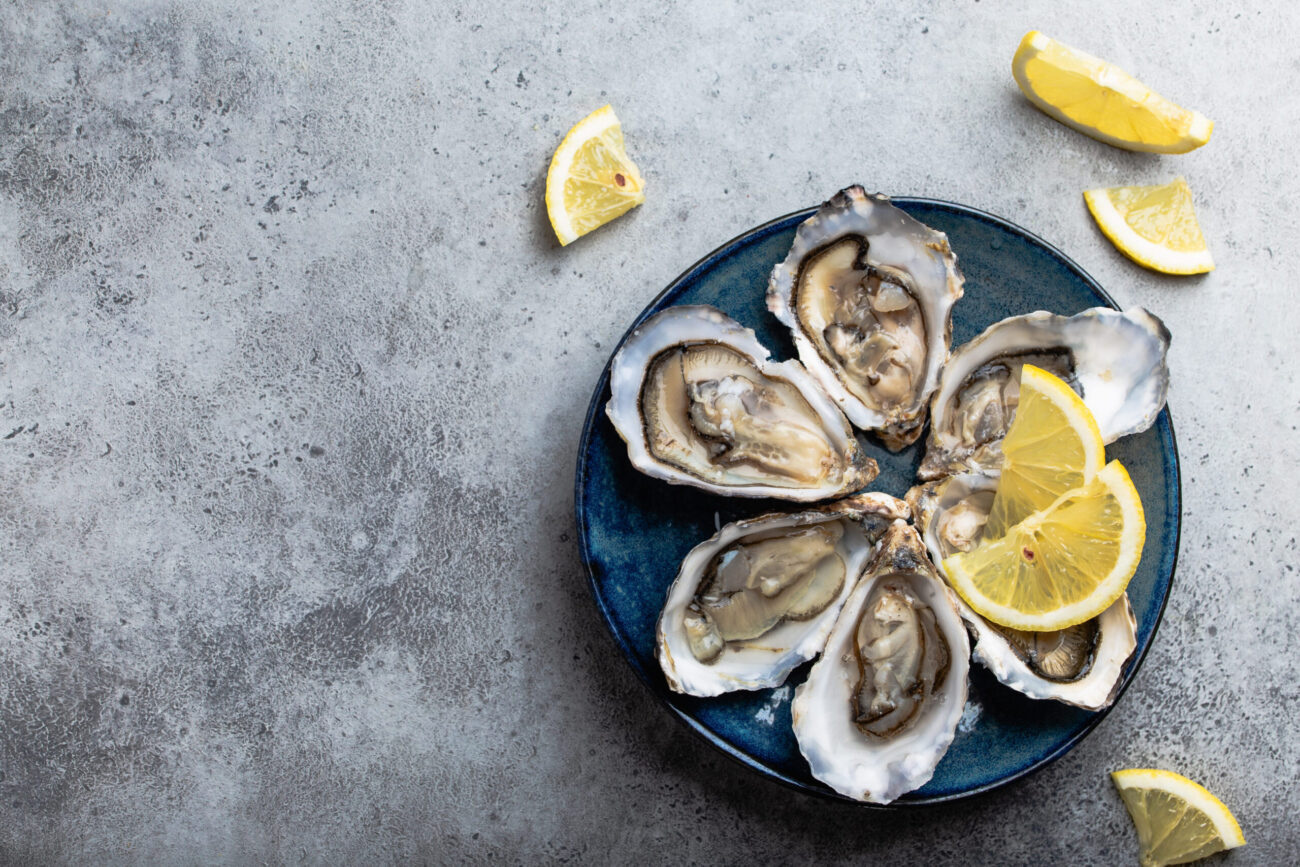
Oysters have a reputation for elegance, but their unusual texture can make the first encounter memorable for entirely different reasons.
YouGov found that 42% of respondents disliked or hated oysters in 2025. Meanwhile, the 2023 Instacart/Harris Poll reported that 41% specifically hated them.
Texture may help explain their divisiveness. Instacart’s trends expert highlighted oysters’ slippery mouthfeel as a possible obstacle for hesitant diners.
Interestingly, the 2023 survey found that 51% of women and 30% of men reported hating oysters. Those figures describe the survey respondents, not every seafood lover.
Whether served raw or prepared another way, oysters remain a fascinating example of how presentation and personal preference can shape a food’s reputation.
Blue Cheese: The Cheese That Announces Its Arrival
Blue cheese doesn’t need an introduction. Its distinctive aroma often arrives before the first bite, and its bold flavor can make an ordinary meal feel adventurous.
In YouGov’s 2025 survey, 39% of Americans disliked or hated blue cheese. Yet another 39% loved or liked it, making this one of the clearest examples of a genuinely divided audience.
The aroma has a scientific explanation. According to the American Chemical Society’s cheese chemistry research, Penicillium roqueforti helps produce compounds, including methyl ketones, responsible for blue cheese’s characteristic smell.
That’s what makes blue cheese so interesting. The very qualities that make it distinctive may delight one diner and turn another away.
Beets: The Vegetable With an Earthy Personality
Beets bring brilliant color to the plate, but their earthy character sometimes receives a less enthusiastic welcome.
According to YouGov, 35% of Americans disliked or hated beets in 2025. However, 39% reported loving or liking them, suggesting the vegetable has slightly more admirers than detractors.
The earthy aroma isn’t merely an imaginative description. Research published in the Journal of Agricultural and Food Chemistry in 1976 identified geosmin as a contributor to the distinctive smell of table beets.
That explains part of their sensory character, but it doesn’t explain why some people dislike them.
Beets are a reminder that an ingredient’s natural flavor can be both its signature and its biggest obstacle.
Brussels Sprouts: The Vegetable That Can’t Escape Its Reputation
Brussels sprouts have spent plenty of time playing the villain at the dinner table. But their reputation may be harsher than the actual numbers suggest.
The 2025 YouGov survey found that about 29% disliked or hated Brussels sprouts. Meanwhile, 49% loved or liked them.
Their sometimes-bitter taste has a documented chemical basis. Research dating to 1983 connected bitterness in certain Brussels sprout varieties with compounds including sinigrin and progoitrin.
Different varieties and preparations can influence the experience, so that familiar bitter reputation doesn’t describe every serving.
Perhaps Brussels sprouts deserve a little more credit. The numbers suggest their fans are considerably more numerous than their critics.
Okra: The Vegetable With a Texture Problem
Okra has a remarkable culinary talent: it can thicken a pot of gumbo beautifully. Unfortunately, the very substance behind that ability can also send some diners running.
YouGov’s 2025 results showed that approximately 29% of Americans disliked or hated okra, while 37% loved or liked it.
According to the University of Illinois Extension, cutting okra releases mucilage, the naturally occurring substance responsible for its characteristic gooey texture.
That same substance makes okra useful in gumbo, where thickening is part of the dish’s appeal.
For okra, the difference between a beloved ingredient and an unwanted vegetable may come down to whether someone enjoys its distinctive mouthfeel.
Olives: The Salty Favorite That Still Has Critics
Olives might seem like an unusual addition to a list of controversial foods. After all, they have plenty of devoted admirers.
YouGov’s 2025 survey found that approximately 27% of Americans disliked or hated olives, but an impressive 60% loved or liked them.
Their distinctive flavor stems from the fruit’s natural chemistry. The International Olive Council identifies oleuropein as a compound responsible for the bitterness of fresh olives. Curing processes reduce or transform that bitterness, creating the different flavors found in table olives.
Not every olive tastes alike, and the survey didn’t separate green, black, stuffed, or differently cured varieties.
For many diners, olives are irresistible. For others, even a carefully cured olive remains an acquired taste.
Why Our Taste Buds Can’t Agree
The wonderful thing about food is that nobody experiences it quite the same way. A pungent cheese, a bitter vegetable, or a slippery oyster can inspire delight at one end of the table and a polite refusal at the other.
The 2023 Instacart/Harris Poll offered one encouraging insight: 69% of respondents said they had eventually come to enjoy a food they initially disliked.
That doesn’t mean every disliked ingredient will become a favorite. But it leaves room for culinary surprises.
And perhaps that’s the real beauty of these nine controversial foods. They remind us that great conversations often begin with a simple question: “Wait, you actually eat that?”