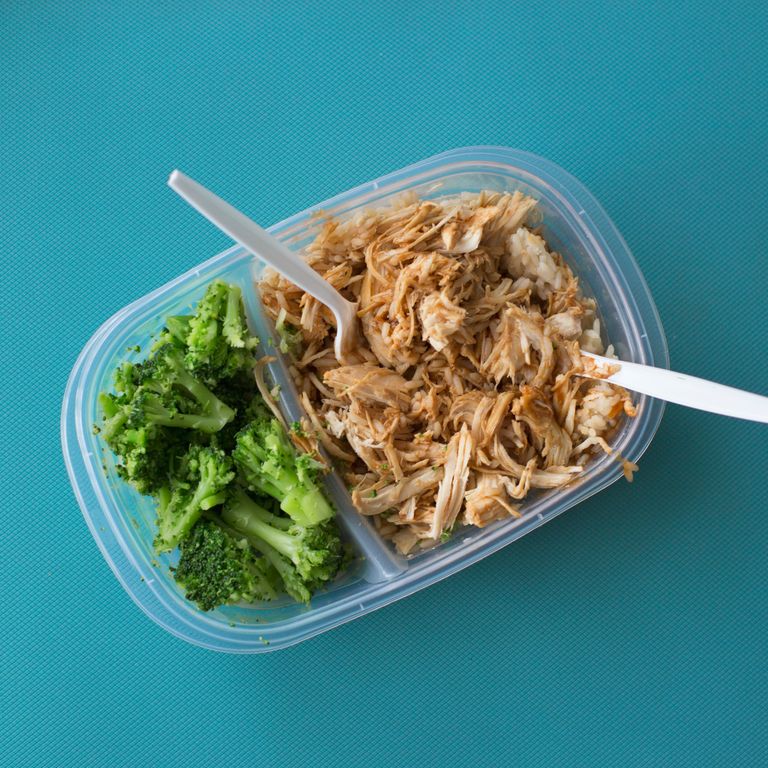
Have you ever bought fresh groceries, arranged everything neatly in the refrigerator, and still watched some of it lose its freshness sooner than expected? The problem may not be what you bought but where and how you stored it.
Many people assume that putting every fresh food item in the refrigerator is the best way to preserve it. However, different foods have different storage needs. Some do better in a cool, dark cupboard, others belong on the counter, and a few need to be kept away from certain fruits and vegetables.
The good news is that small adjustments can make a noticeable difference in how long groceries stay fresh. Here are nine foods you may have been storing incorrectly.
Bread
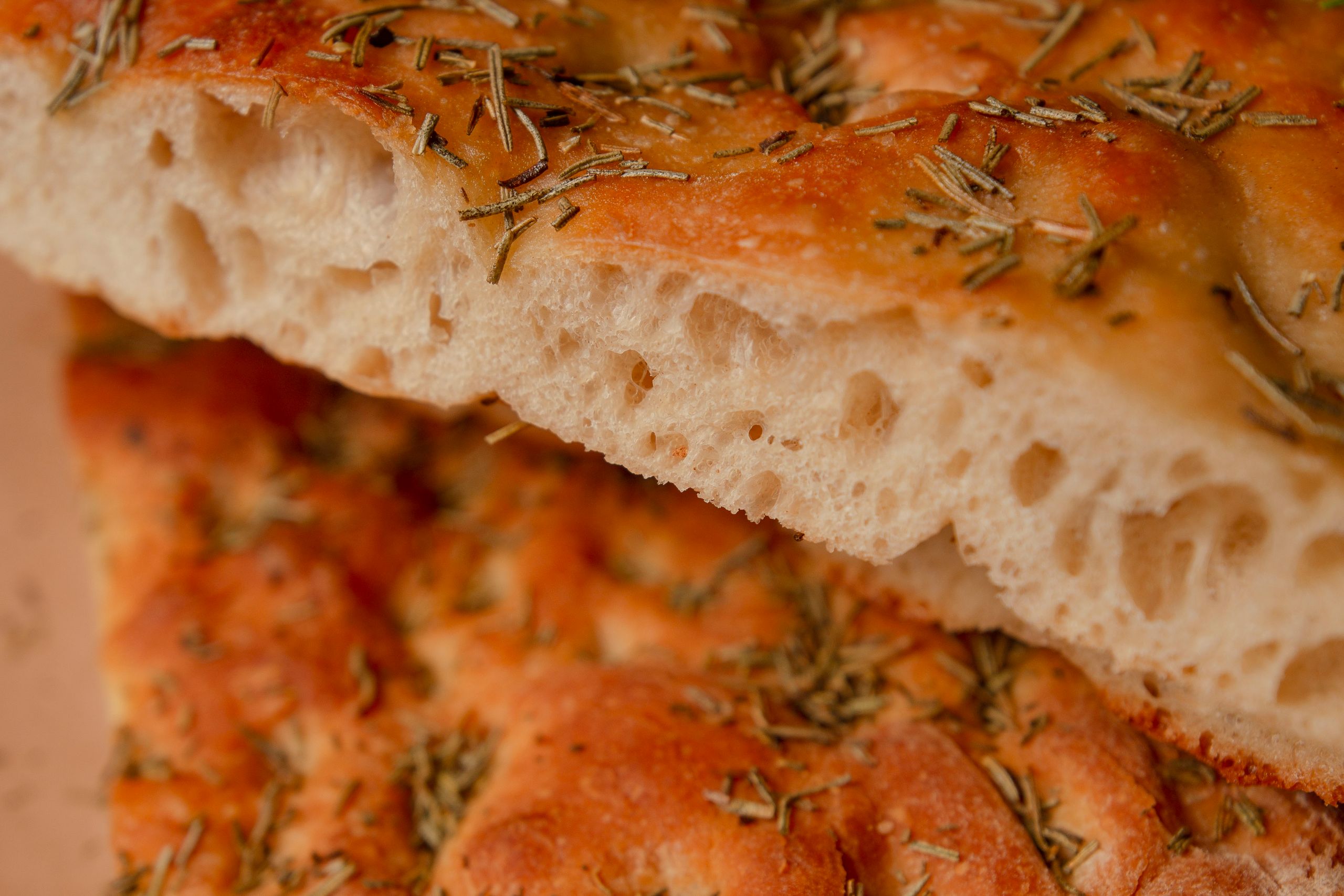
If you regularly put bread in the refrigerator because you think it will stay fresh longer, you may be disappointed. Refrigeration can make bread go stale faster, changing its texture and making it less enjoyable.
For bread you plan to eat within a few days, a sealed bag or bread box in a cool, dry cupboard is generally a better option. If you have bought more than you can use soon, freezing it is a practical alternative.
You can freeze a loaf whole or slice it before freezing. That way, you can take out only what you need instead of repeatedly exposing the entire loaf to changing temperatures.
Potatoes
Potatoes are another common item people put in the refrigerator without considering their storage requirements. Whole potatoes are best kept in a cool, dark, dry place with good air circulation.
A cupboard or pantry away from direct sunlight is a more suitable location. Avoid storing them in a tightly sealed plastic bag because they need some airflow.
It is also worth checking the potatoes occasionally and removing any that have started deteriorating. This helps keep the rest of the batch in better condition.
Onions
Onions are often stored wherever there is available space in the kitchen, sometimes right beside potatoes. However, keeping these two ingredients together can encourage faster sprouting.
Whole, uncut onions generally do best in a cool, dry, and well-ventilated location. A mesh bag, basket, or open storage container can provide the airflow they need.
Keep them separate from potatoes and away from excessive moisture. Once an onion has been cut, transfer the unused portion to an appropriate covered container in the refrigerator.
Tomatoes
Many people immediately put tomatoes in the refrigerator after returning from the grocery store. However, tomatoes that still need to ripen generally do better at room temperature.
A countertop away from direct sunlight is a suitable place for them while they develop their full color and flavor. Once ripe, move them to the refrigerator to help them stay fresh longer.
This simple distinction can make a difference when buying tomatoes for several meals throughout the week. Instead of treating every tomato the same way, check its ripeness before deciding where to store it.
Bananas
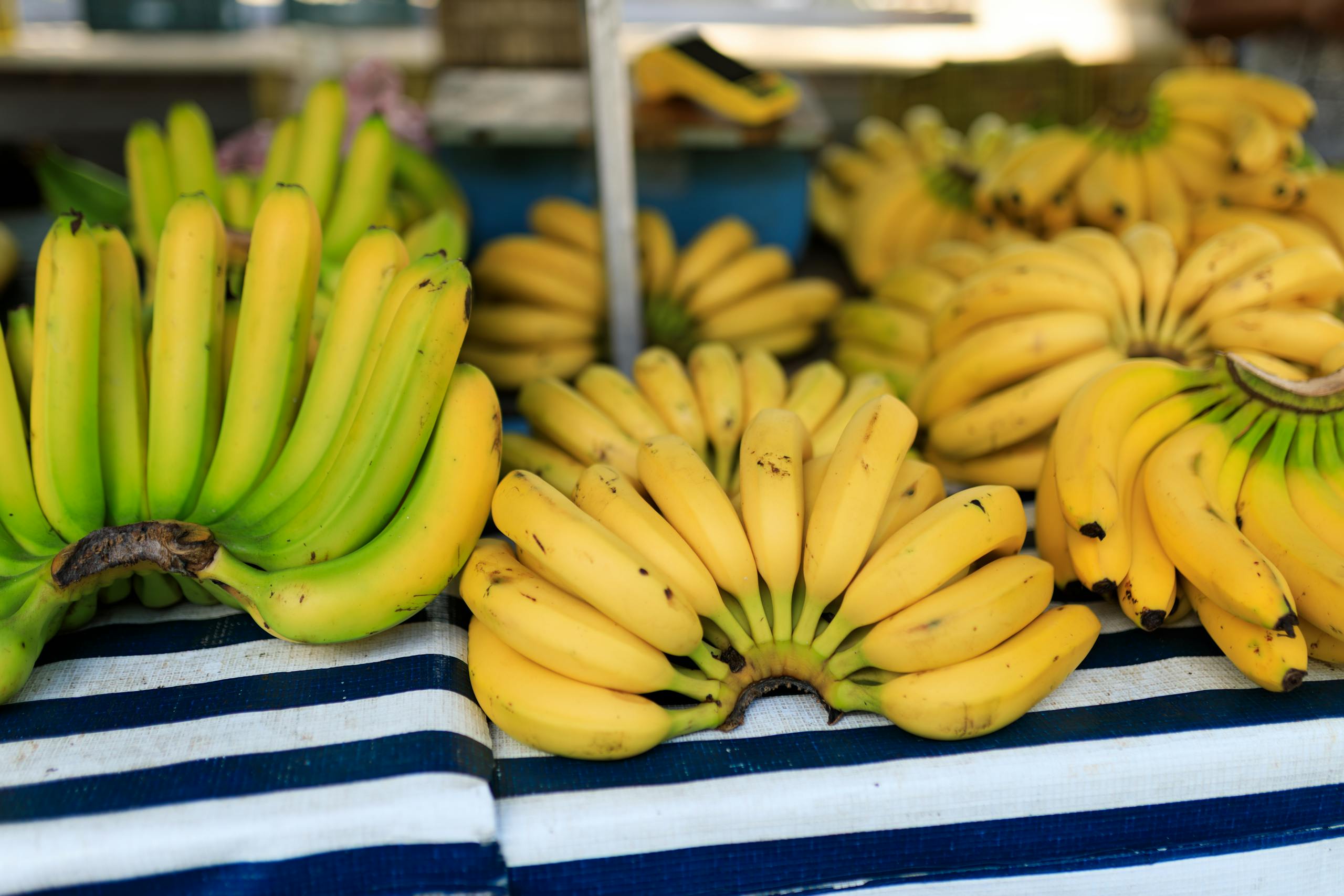
Bananas are frequently placed in the refrigerator, especially when people want to slow down ripening. However, cold temperatures can affect their appearance, causing the peel to darken.
Unripe bananas generally do better at room temperature. They should also be kept away from produce that is sensitive to ethylene, a naturally occurring gas released by certain fruits as they ripen.
If your bananas become too ripe to eat immediately, peeling and freezing them is another option. You can later use frozen bananas in baking or blend them into smoothies.
Related: 10 Common Behaviors You Didn’t Know Were Survival Instincts
Fresh Basil
If you have ever put fresh basil in the refrigerator only to find its leaves turning dark, storage conditions may be the reason.
Unlike many other fresh herbs, basil is sensitive to cold temperatures. Health Canada’s produce storage guidance recommends keeping fresh basil at room temperature rather than placing it in the refrigerator.
One practical method is to trim the ends of the stems and stand the bunch upright in a glass of water, similar to how you would arrange flowers. Keep it out of direct sunlight and replace the water as needed.
This arrangement can also make basil easier to reach when preparing pasta, sauces, and other dishes.
Mushrooms
Mushrooms are sometimes transferred from their original packaging into sealed plastic containers immediately after shopping. Depending on how much moisture is trapped inside, they can become damp and less appealing.
A paper bag is a useful alternative because it allows more airflow and helps absorb some moisture. Keep the mushrooms in the refrigerator and avoid washing them until you are ready to prepare them.
Another useful habit is to avoid stacking heavy groceries on top of them. Mushrooms can bruise easily, so giving them a little space helps preserve their appearance.
Apples
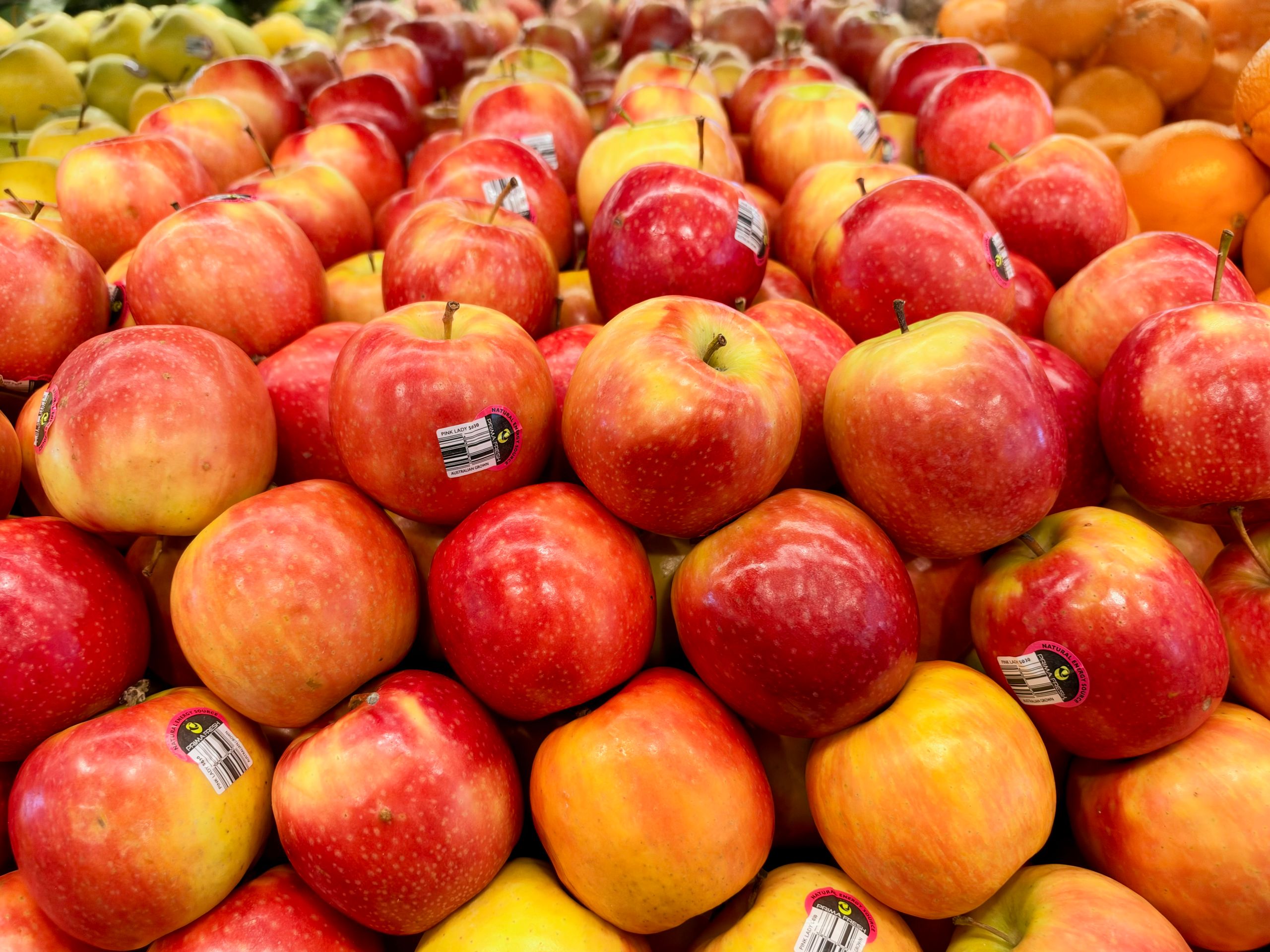
Apples may look harmless sitting in a fruit bowl beside everything else, but they release ethylene gas, which can speed up the ripening of some nearby produce.
This means that storing apples alongside certain vegetables and fruits may affect how quickly those items lose their freshness.
For longer storage, apples can be kept in the refrigerator, preferably in a separate produce drawer or bag. If you enjoy keeping a fruit bowl on the counter, place only a few apples there rather than storing your entire supply with delicate produce.
Related: Everyday Behaviors Linked to a Higher
Fresh Herbs
Basil is not the only herb that can suffer from poor storage. Parsley, cilantro, and other leafy herbs can lose their freshness when left loose in a refrigerator drawer or exposed to excess moisture.
One practical approach is to trim the stems, place the herbs upright in a small container with water, and loosely cover the leaves. Then refrigerate them, depending on the herb.
Another option is to wrap them loosely in a slightly damp paper towel and place them in a suitable container or bag. Avoid crushing the leaves or leaving them sitting in excess water.
Since different herbs have different storage preferences, check the specific variety rather than assuming one method works for every bunch.
Final Thought
Properly storing groceries doesn’t require expensive containers or a complete kitchen makeover. Sometimes, the biggest improvement comes from understanding which foods belong in the refrigerator, which should remain on the counter, and which need a cool, dry cupboard.
The next time you unpack your groceries, think twice before putting everything in the same place. A few simple changes can help preserve freshness, reduce unnecessary waste, and make everyday cooking more convenient.