What if some of the things women are supposed to enjoy are actually obligations disguised as personal preferences?
From elaborate beauty routines to organizing family celebrations, women often encounter expectations about what should make them happy. A Pew Research Center survey found that 71% of Americans believed women faced substantial pressure to be physically attractive, while 77% said women faced pressure to be involved parents.
But enjoying something and feeling obligated to enjoy it are two very different experiences. These 11 everyday expectations show why some women would happily trade tradition for greater freedom to make their own choices.
Wearing makeup every day
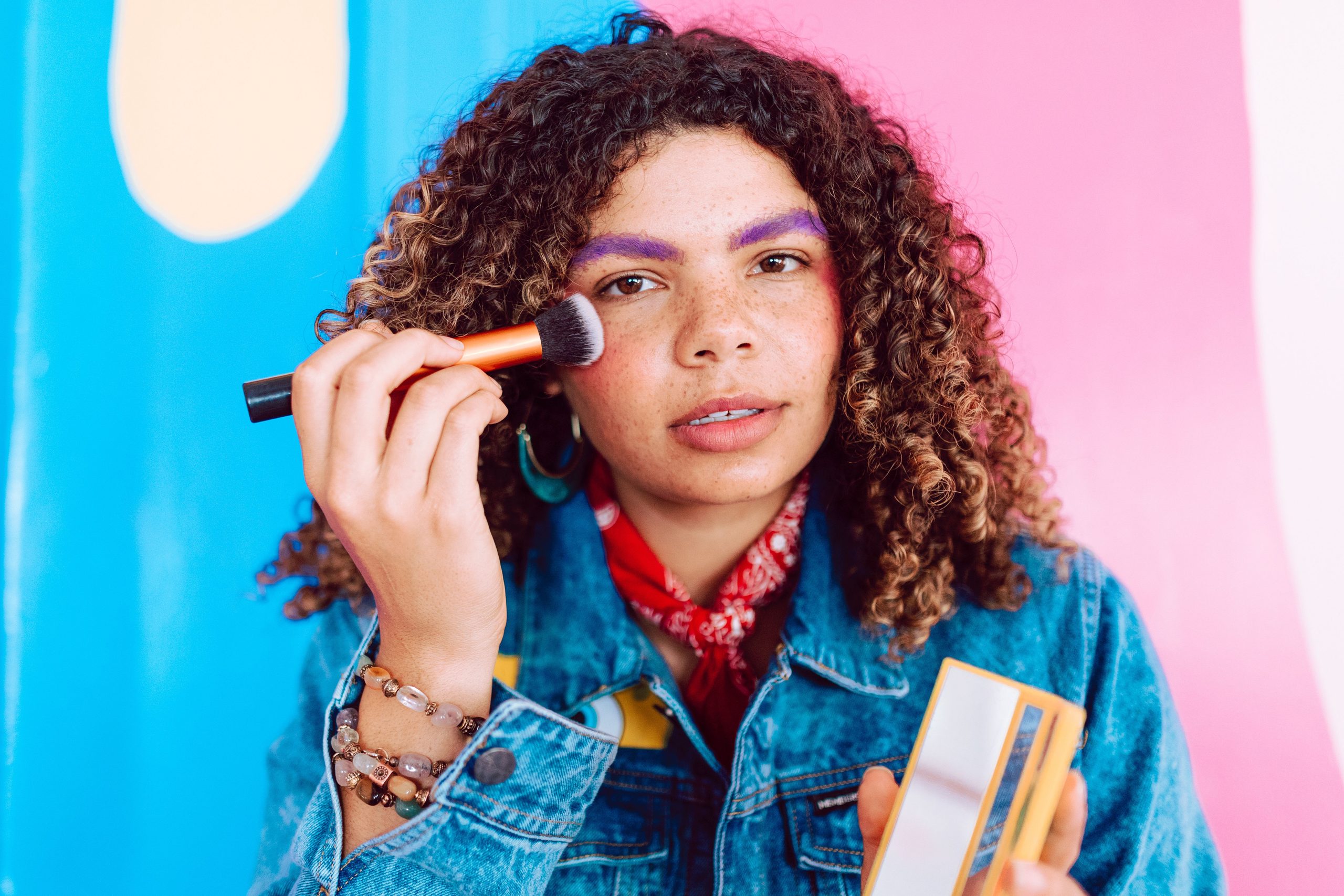
Looking presentable shouldn’t require an entire beauty routine.
Foundation, mascara, concealer, and lipstick can make getting ready feel like another assignment rather than an enjoyable ritual. Some women love experimenting with cosmetics, while others prefer leaving home without them.
Appearance expectations can begin early. A 2025 Pew Research Center survey found that 55% of teenage girls felt pressure to look good, compared with 39% of boys.
The findings don’t measure makeup preferences, but they highlight how appearance pressure can shape everyday decisions.
Related:6 personality traits of women who choose to go makeup-free
Planning an elaborate wedding
A dream wedding can quickly become someone else’s dream.
Between choosing flowers, coordinating decorations, managing guest lists, and satisfying relatives, wedding planning can feel more like managing a large project than celebrating a relationship.
Some women genuinely enjoy every detail. Others would prefer a courthouse ceremony, a backyard gathering, or a small celebration with close friends.
There’s nothing inherently more meaningful about an elaborate reception. The key distinction is whether the couple wants the celebration or feels obligated to host it.
Related: Travis Kelce Finally Admits the One Wedding Regret He Just Can’t Shake About Marrying Taylor Swift
Hosting every family celebration
Being good at organizing gatherings doesn’t mean wanting to organize every one.
Holiday dinners, birthday parties, baby showers, and family reunions require preparation that guests rarely see.
Someone must plan the menu, send invitations, arrange seating, decorate the house, and manage cleanup.
The Bureau of Labor Statistics reported that 87% of women and 75% of men participated in household activities on an average day in 2025.
Although those figures cover more than entertaining, they illustrate the unequal distribution of everyday domestic work. Sharing hosting responsibilities could make celebrations more enjoyable for everyone.
Shopping for clothes as entertainment
Not every woman considers spending Saturday afternoon at the mall a treat.
Browsing clothing racks, comparing prices, and trying on multiple outfits may sound enjoyable to enthusiastic shoppers. For others, it feels like a time-consuming chore.
Some women prefer ordering familiar styles online, maintaining a smaller wardrobe, or buying replacements only when necessary.
There’s also a difference between appreciating attractive clothing and enjoying the shopping process.
Personal style doesn’t require loving fitting rooms, following fashion trends, or taking lengthy shopping trips.
Related: How Much Is a Cruise: The Hidden Costs of Cruising and How To Save Money
Treating motherhood as every woman’s ultimate goal
A fulfilling life doesn’t follow one universal family plan.
Motherhood can bring enormous meaning and happiness, but assuming every woman wants children leaves little room for individual ambitions.
A 2024 Pew Research Center study found that among childless adults ages 18 to 49 who considered themselves unlikely to have children, 64% of women cited simply not wanting children as a major reason.
That finding challenges the assumption that all women eventually want the same future.
Choosing not to become a parent deserves as much respect as choosing motherhood.
Keeping a perfectly clean house
A comfortable home doesn’t have to look magazine-ready.
Clean countertops, freshly folded laundry, spotless floors, and carefully arranged pillows can create an inviting space. Maintaining that appearance every day, however, requires considerable effort.
According to the 2025 American Time Use Survey, women averaged 0.45 hours daily on interior cleaning, compared with 0.20 hours for men.
For women who feel responsible for every misplaced item, a less-than-perfect living room may be a welcome trade for additional personal time.
Related:12 Housekeeping Habits Your Parents Taught You That Are Actually Wrong
Dressing up for every special occasion
Comfort shouldn’t disappear whenever an invitation arrives.
High heels, restrictive dresses, elaborate hairstyles, and carefully coordinated accessories aren’t everyone’s idea of a wonderful evening.
Some women appreciate formal fashion, while others would rather celebrate in comfortable shoes and uncomplicated clothing.
The issue isn’t dressing elegantly. It’s the assumption that women must put in considerable effort to look their best for an occasion to count as special.
A memorable evening depends far more on the company and experience than the complexity of an outfit.
Cooking homemade meals every night
Enjoying good food doesn’t automatically mean enjoying the responsibility of preparing it.
Cooking involves more than standing over a stove. There’s meal planning, grocery shopping, preparation, and cleanup.
A Pew Research Center analysis published in 2019 found that 80% of mothers in married or cohabiting two-parent households said they usually prepared meals.
The same percentage said they were the primary grocery shopper.
For women who don’t particularly enjoy cooking, shared kitchen responsibilities, simple meals, and occasional takeout can make evenings considerably less demanding.
Being everyone’s emotional support system
Caring about people doesn’t mean being available to solve every problem.
Listening to family frustrations, comforting friends, remembering important occasions, and smoothing over disagreements can drain emotional energy.
Some women naturally enjoy providing support. Others feel overwhelmed when everyone expects them to remain patient and understanding.
A 2025 Pew Research Center report found that women were more likely than men to seek emotional support from friends.
That doesn’t mean women should automatically become the emotional caretakers in every relationship. Support works best when people offer it to one another.
Attending every social gathering
Sometimes the most appealing weekend plan is having no plans at all.
Baby showers, birthday dinners, neighborhood parties, office celebrations, and extended-family visits can fill a calendar surprisingly quickly.
Social connections matter, but enthusiasm for every invitation isn’t universal.
Some women genuinely prefer a quiet evening reading, gardening, watching television, or simply enjoying their homes.
Declining an invitation doesn’t necessarily signal resentment or disinterest in the people involved.
Sometimes, protecting personal time matters more than maintaining a packed social schedule.
Always being cheerful and agreeable.
Being pleasant shouldn’t require hiding every disagreement or frustration.
Women sometimes encounter expectations to smile, accommodate others, avoid confrontation, and remain understanding regardless of the circumstances.
In its 2017 study of gender expectations, Pew Research Center found that 30% of Americans identified nurturing and empathy among the qualities society valued most in women.
Kindness and empathy are valuable, but they shouldn’t stop anyone from setting boundaries or sharing honest opinions.
Women can be considerate without agreeing to everything.
The freedom to decide what actually matters
These expectations aren’t necessarily bad. Makeup, weddings, motherhood, cooking, entertaining, and family traditions bring genuine satisfaction to countless women.
The difficulty begins when personal interests become compulsory responsibilities.
A woman can love her family without hosting every gathering, appreciate fashion without enjoying shopping, or maintain a welcoming home without demanding perfection.
Ultimately, the question isn’t whether women should enjoy these things. It’s whether they have the freedom to decide for themselves.