Fast food is built around convenience, familiar flavors, and meals that arrive in minutes. Yet behind the golden fries, towering burgers, and brightly colored drinks, some surprising stories deserve a closer look.
In 2024, a McDonald’s E. coli outbreak affected 104 people across 14 states, according to the Centers for Disease Control and Prevention (CDC). Years earlier, Chipotle agreed to a $25 million criminal fine following outbreaks involving more than 1,100 illnesses.
These are documented events, not rumors, and they reveal why the details behind America’s favorite fast-food meals sometimes matter as much as what’s on the menu.
McDonald’s E. coli outbreak was linked to onions, not proven contaminated beef
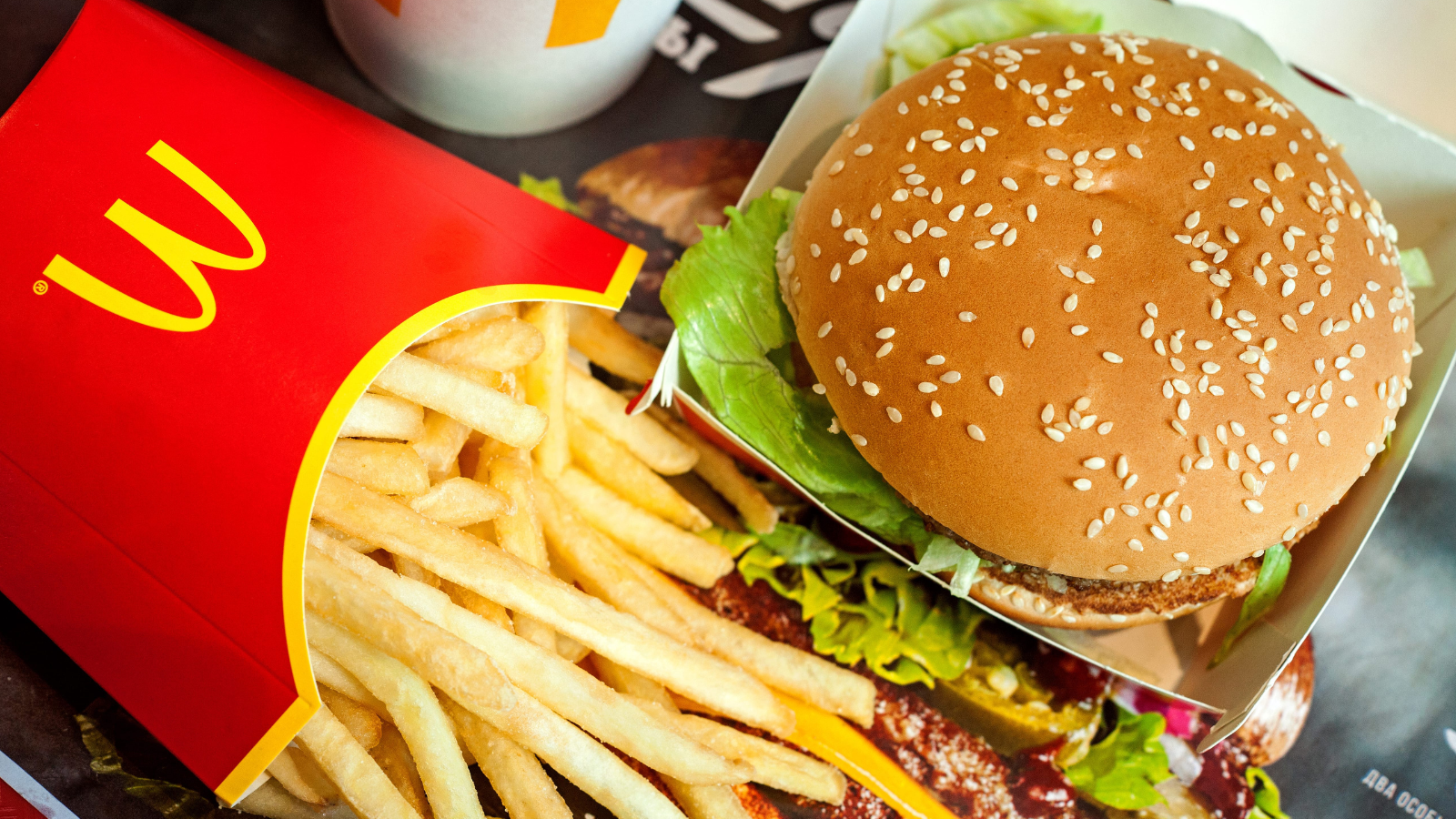
Sometimes, the smallest ingredient carries the biggest story. During the 2024 McDonald’s outbreak, investigators traced the likely source of contamination to fresh, slivered onions served on burgers.
The CDC’s final investigation recorded 104 illnesses, 34 hospitalizations, and one death. Four people developed a serious complication. The outbreak was declared over on December 3, 2024.
Taylor Farms recalled onions on October 22, although laboratory testing never identified the outbreak strain in the recalled onions. The evidence pointed to onions, but testing did not conclusively establish contamination.
Chipotle paid a $25 million fine after more than 1,100 illnesses
Fresh ingredients and colorful bowls helped define Chipotle’s identity, but the chain’s history includes an expensive chapter.
In April 2020, the Department of Justice announced that Chipotle had agreed to a $25 million criminal fine following outbreaks involving more than 1,100 illnesses between 2015 and 2018.
At least five outbreaks were involved. One Boston incident affected 141 people after an employee who had become ill was ordered to keep working, contrary to company policy.
The agreement allowed Chipotle to avoid conviction by meeting specified conditions. DOJ described the penalty as the largest food-safety fine at the time.
McDonald’s Big Breakfast with Hotcakes packs some surprising numbers
A biscuit, scrambled eggs, sausage, hash browns, and golden hotcakes sound like a breakfast feast. McDonald’s certainly doesn’t hold back on the components.
According to McDonald’s official menu information, its Big Breakfast with Hotcakes contains 1,340 calories and 2,070 milligrams of sodium, which represents 90% of the listed Daily Value.
Those figures describe the company’s standard meal formulation. McDonald’s explains that preparation methods, ingredient suppliers, and serving variations can affect the actual numbers.
It’s a useful reminder that a familiar breakfast can contain more than its menu description reveals.
McDonald’s American fries contain beef flavoring
Golden, crispy, and sprinkled with salt, McDonald’s fries seem wonderfully straightforward. Yet their ingredient list has a twist.
The chain’s U.S. ingredient disclosures identify natural beef flavor containing wheat and milk derivatives. The flavoring uses hydrolyzed wheat and hydrolyzed milk as starting ingredients.
McDonald’s also explains that suppliers use an oil blend containing beef flavoring when partially frying the potatoes.
That doesn’t mean restaurants cook the fries in beef fat. The company’s published preparation information describes vegetable-based cooking oils. These details concern the American recipe, not necessarily fries sold internationally.
Panera’s discontinued lemonade contained 390 milligrams of caffeine
Lemonade usually brings to mind sunshine, sweetness, and something refreshing. Panera’s former Charged Lemonade came with a rather different ingredient story.
A large, 30-fluid-ounce serving without ice contained up to 390 milligrams of caffeine, according to NBC News reporting.
Panera discontinued the beverage nationwide in May 2024 while facing lawsuits alleging serious injuries and deaths. The company denied wrongdoing and attributed the discontinuation to broader menu changes.
By July 2025, Panera had settled the remaining three lawsuits, with financial terms undisclosed. Importantly, the allegations were not established findings of medical causation.
Researchers found plasticizer chemicals in sampled fast-food meals
Food packaging and preparation can have stories beyond the ingredients printed on a menu.
In a preliminary study published online in 2021, researchers examined 64 fast-food samples and three pairs of food-handling gloves collected from American restaurants.
They detected two phthalates, DnBP and DEHP, in 81% and 70% of the food samples, respectively. Researchers suggested that food-handling gloves could be one possible source of plasticizer contamination.
However, the investigation involved a small sample. Its findings cannot establish that those percentages apply to every fast-food meal nationwide, nor did the study demonstrate that the sampled meals caused illness.
Fast-food wrappers once used PFAS, but the rules have changed
Sometimes, the story sits around your meal rather than inside it. Fast-food packaging has undergone an important change involving PFAS chemicals.
According to the Food and Drug Administration, certain PFAS-containing substances were previously used to make paper food packaging resist grease and moisture.
In February 2024, the agency announced that manufacturers had stopped selling those grease-proofing substances for U.S. food packaging.
Then, in January 2025, the FDA determined that 35 related food-contact notifications were no longer effective because those uses had been abandoned.
The shift is significant, though it does not mean every piece of food packaging contains absolutely no PFAS.
Subway’s bread failed an Irish tax classification test
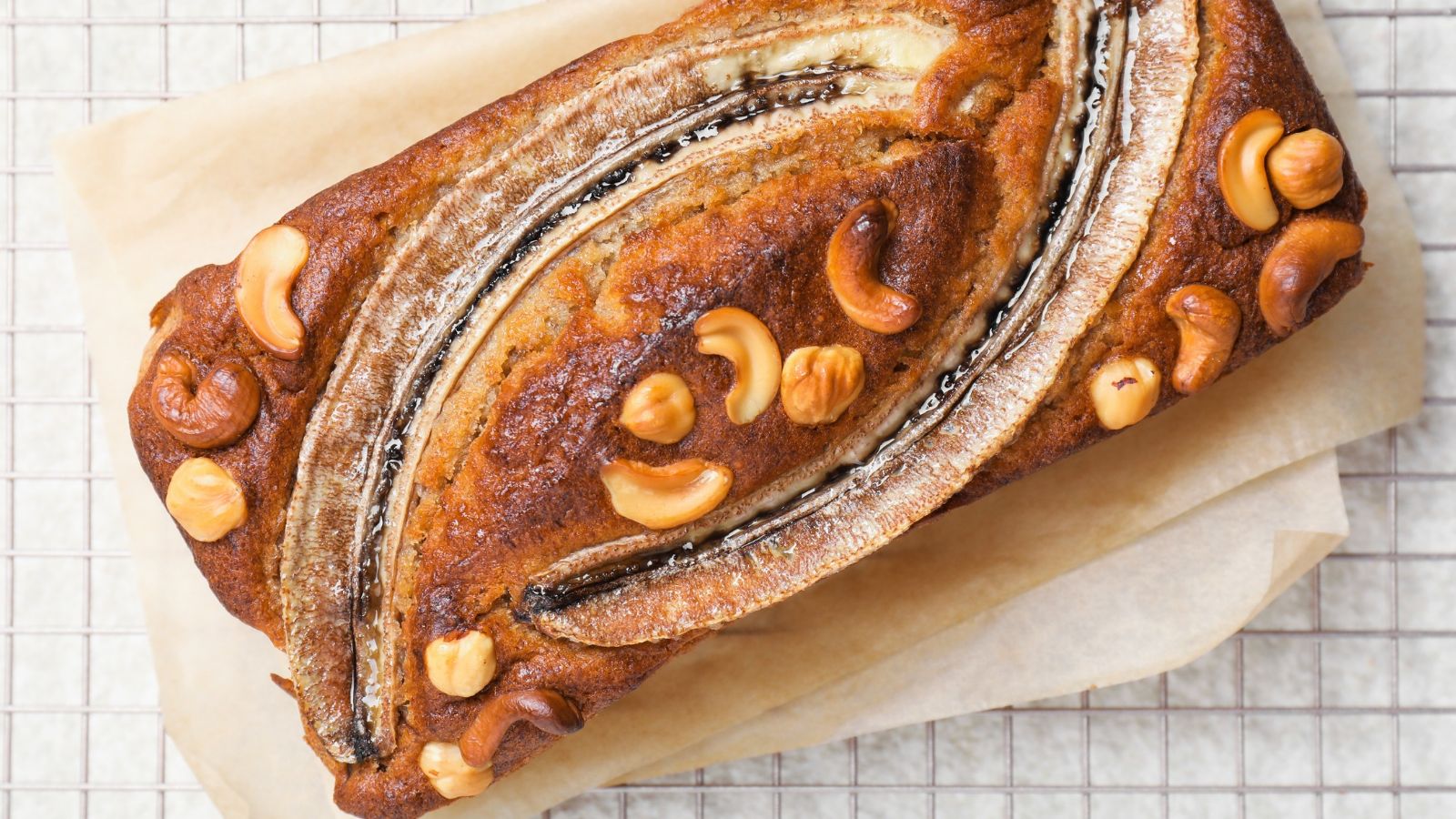
Bread is the quiet foundation of a sandwich, holding everything together without demanding attention. In Ireland, however, Subway’s bread became the center of a remarkable legal argument.
In 2020, Ireland’s Supreme Court ruled that bread at the center of a Subway franchise tax dispute did not meet the legal definition for a bread tax exemption.
According to Associated Press reporting, its sugar content equaled 10% of the flour’s weight, exceeding the 2% limit established by the applicable law.
Subway disputed the characterization and maintained that its product was bread.
The decision concerned an Irish tax provision, not a ruling that Subway sandwiches everywhere are cake.
The Jack in the Box outbreak became a turning point in fast-food history
Some fast-food stories fade with yesterday’s headlines. Others leave a lasting mark on the industry.
The 1992–1993 E. coli outbreak associated with undercooked Jack in the Box hamburgers caused more than 700 illnesses and killed four children across four states.
The CDC’s historical account identifies Washington, California, Nevada, and Idaho as the affected states.
The tragedy helped bring changes to food-safety practices, including higher recommended internal cooking temperatures for hamburgers. By 1995, E. coli O157 had become a nationally notifiable disease.
This is a historical event, not evidence of conditions at Jack in the Box restaurants today.
The takeaway
Fast food has always been about speed, convenience, and familiar favorites. Yet these nine stories show how much can exist beyond the bright menu boards and carefully wrapped meals.
From a $25 million legal settlement to a 10% sugar calculation in an Irish courtroom, the facts are often more interesting than the rumors.
The important distinction is between past incidents, current ingredient disclosures, preliminary scientific findings, and allegations that were never established in court. Understanding those differences makes you a better-informed customer, without turning yesterday’s headlines into misleading warnings about today’s meals.