Your kitchen countertop might look like the perfect place for everything from groceries to cooking essentials. But some everyday items can lose their freshness, create unnecessary clutter, or cause bigger problems when left sitting out.
Think about your kitchen counter for a moment. There’s probably a bottle of cooking oil near the stove, a few potatoes waiting to be cooked, and perhaps yesterday’s leftovers still sitting in a covered pot.
Sound familiar?
Kitchen countertops have become convenient holding areas for almost everything. We unpack groceries there, prepare meals, charge devices, and occasionally leave things behind because putting them away feels like another chore.
Unfortunately, convenience doesn’t always mean proper storage.
Heat, moisture, sunlight, and everyday kitchen activity can affect certain foods and household products. Other items take up valuable prep space or make cleaning harder.
The good news? A few small changes can make your kitchen more organized while helping you avoid unnecessary waste.
Here are eight things worth moving off your countertop, along with better places to keep them.
Cooking Oils Sitting Beside the Stove
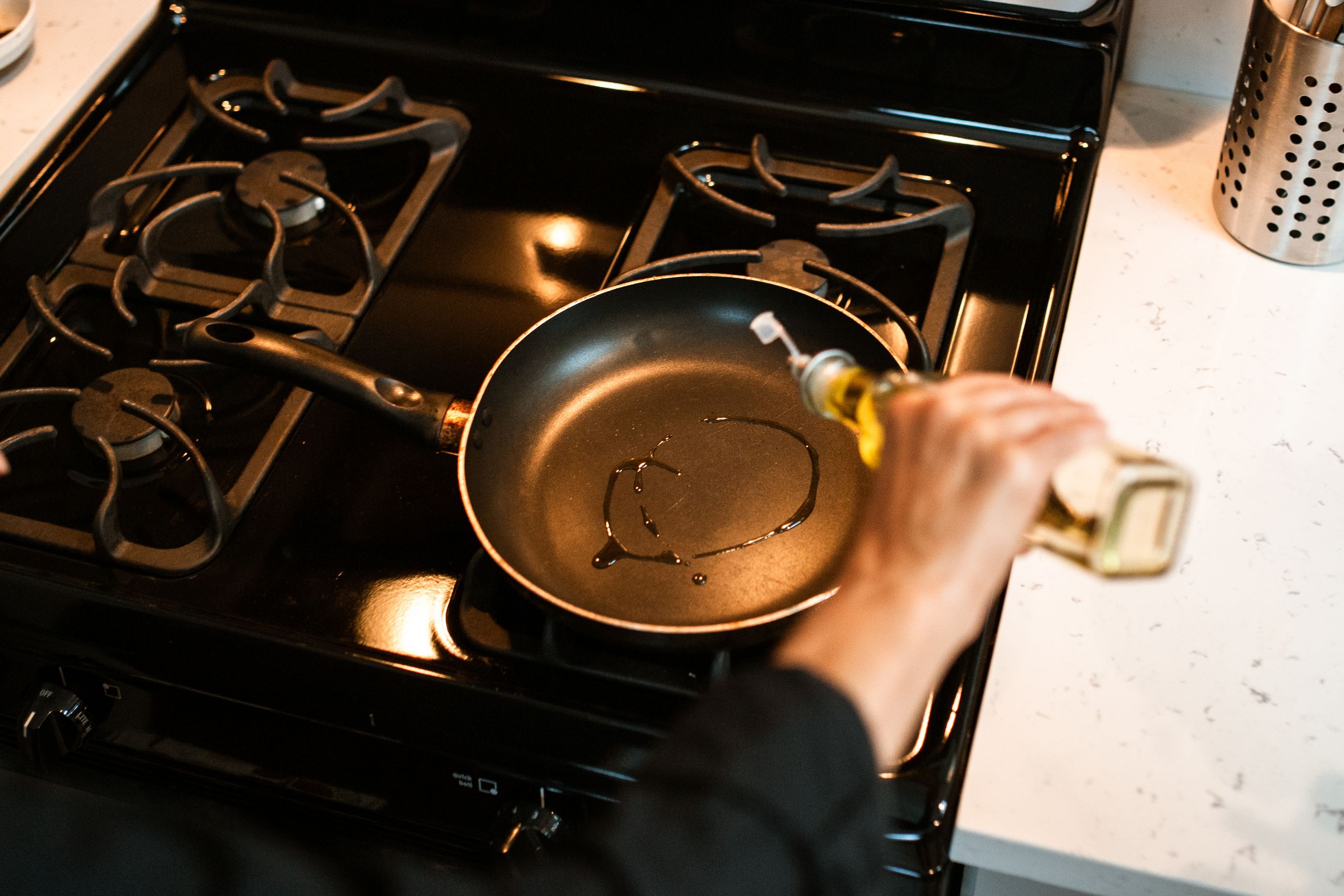
Keeping cooking oil next to the stove makes perfect sense when you’re preparing dinner. Nobody wants to search through cabinets while vegetables are sizzling in a frying pan.
However, that convenient location can affect the oil’s quality over time.
Cooking oils are sensitive to heat, light, and air. Repeated exposure can contribute to oxidation, which eventually changes their smell and flavor.
Storing cooking oil in a dark, dry location away from heat can help preserve its quality.
A bottle sitting beside a frequently used burner experiences considerably different conditions from one stored inside a cool cupboard.
Sunlight streaming through a kitchen window can also make an exposed countertop less suitable for long-term storage.
Raw Meat Waiting for Dinner
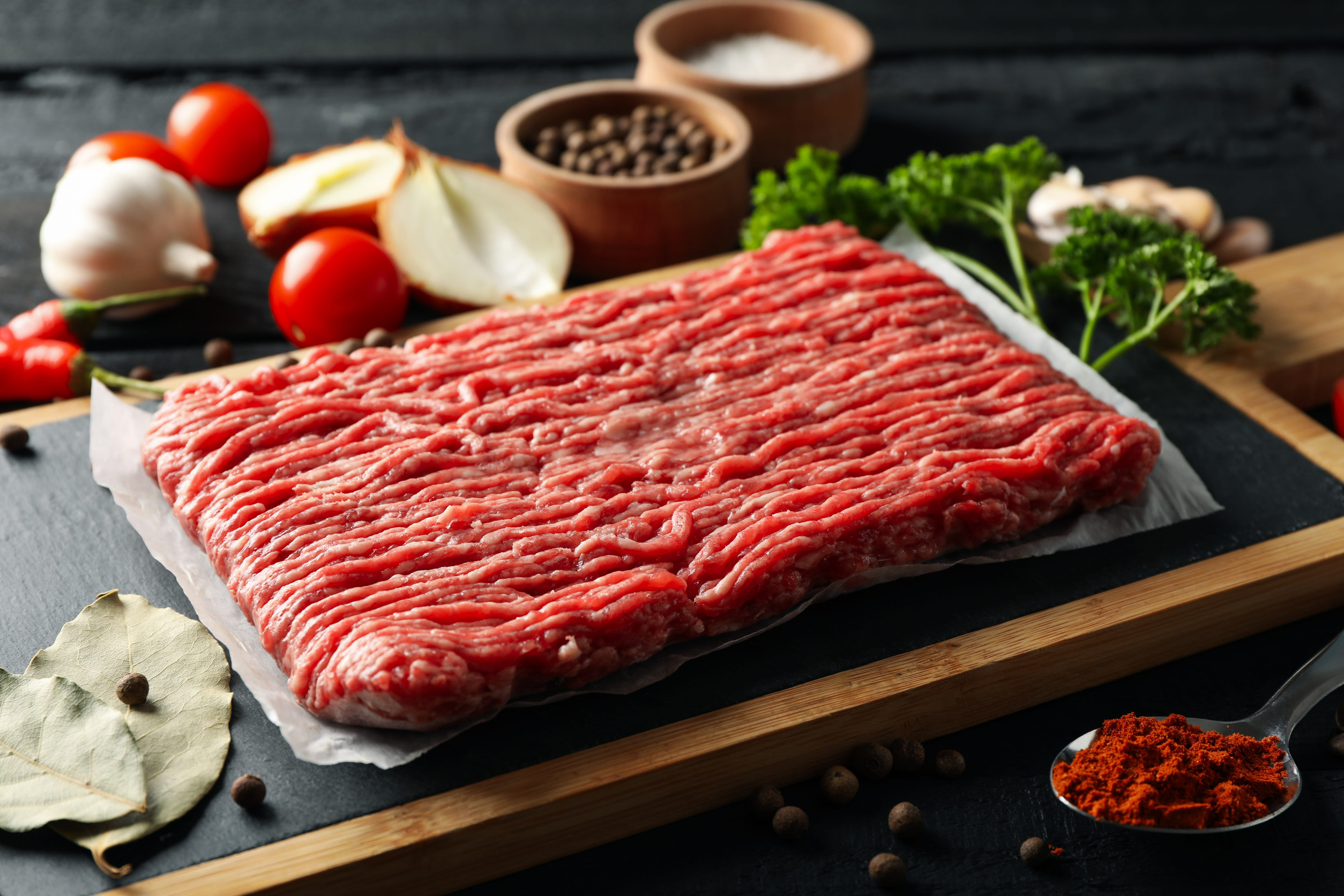
We’ve all been there. You take chicken or beef out of the refrigerator, intending to cook immediately, and then the phone rings.
One conversation turns into another, and suddenly the meat has been sitting on the counter much longer than planned.
This isn’t simply an organization issue.
Raw meat, poultry, and seafood require careful temperature control.
The U.S. Food and Drug Administration advises against leaving perishable foods at room temperature for more than two hours. That limit drops to one hour when temperatures exceed 90°F.
The same guidance applies when preparing frozen meat.
Leaving it on the countertop to thaw may seem convenient, but the outer portions can warm while the center remains frozen.
If you’re thawing meat in cold water or the microwave, cook it immediately afterward.
A little planning is much better than discovering your dinner ingredients were left out all afternoon.
Potatoes in a Sunny Corner
A basket of potatoes might seem like harmless countertop decoration.
They’re inexpensive, useful for countless meals, and don’t require refrigeration under ordinary storage conditions.
But where you place them matters.
Potatoes exposed to light can develop green areas, while unsuitable storage temperatures may encourage sprouting or deterioration. Keep potatoes in a cool, dark place rather than in a regular refrigerator.
That makes a sunny kitchen counter a poor choice for long-term storage.
A decorative basket near the window might look charming, but appearances aren’t everything.
Avoid sealing potatoes inside airtight containers that trap moisture.
Check them regularly and remove potatoes showing significant deterioration.
With the right storage arrangement, you can keep your counter clear and your potatoes ready for the next meal.
Spices Displayed Right Beside the Burner
There’s something undeniably attractive about a neatly arranged spice rack.
Matching jars filled with paprika, cinnamon, cumin, and other colorful seasonings can make almost any kitchen look more organized.
But here’s the catch.
A spice collection displayed directly beside the stove may look impressive while gradually losing the qualities that make those seasonings useful.
Heat, humidity, sunlight, and air exposure can affect their aroma and flavor.
Frequent cooking creates changing temperatures and moisture around the stove, particularly when boiling water or preparing several dishes.
Spices are best stored away from heat and direct sunlight.
Keep jars tightly closed and label them clearly.
You don’t need an expensive storage system. A simple drawer arrangement can make finding the right seasoning just as easy.
And your favorite recipes won’t depend on jars that have spent months sitting beside a steaming saucepan.
Leftovers You Plan to Put Away Later
Dinner is finished, the dishes are stacked, and everyone has wandered off.
A pot of rice or pasta still sits on the countertop, but you figure you’ll put it away after cleaning the kitchen.
Then you get distracted.
By bedtime, the leftovers are exactly where you left them.
This common habit can create a food-safety problem because cooked perishable foods shouldn’t remain at room temperature indefinitely.
Refrigerate cooked leftovers within two hours, or within one hour when the temperature exceeds 90°F.
Leaving food covered doesn’t replace refrigeration.
A lid may keep dust away, but it doesn’t maintain the temperature needed for safe storage.
You don’t need to leave an entire pot cooling on the counter for hours before storing it.
Make putting away leftovers part of your dinner cleanup routine.
It’s a small habit that can prevent forgotten food from becoming tomorrow’s unpleasant discovery.
Medications and Daily Supplements
Some people keep medications on the kitchen counter so they won’t forget them.
It seems practical, especially when they’re taken around breakfast or dinner.
However, the kitchen isn’t always an ideal place to store these products.
Heat, moisture, and light can affect the stability of certain medications. Follow medication storage instructions and keep most medicines in a cool, dry location.
Countertops near sinks, dishwashers, and stoves may experience frequent changes in temperature and humidity.
Leaving medicine bottles out can also make them accessible to children or visitors.
Some products require refrigeration, while others should remain at room temperature.
If remembering daily medication is difficult, consider keeping a reminder on your phone instead of leaving the bottle beside the coffee maker.
Convenience shouldn’t come at the expense of proper storage.
Dirty Dishcloths and Damp Sponges
A damp sponge sitting beside the sink is such a familiar sight that most people barely notice it.
You finish washing dishes, give the sponge a quick squeeze, and drop it onto the countertop.
But that wet little cleaning tool can become an unnecessary source of mess.
Dishcloths and sponges collect food residue, moisture, and dirt during everyday cleaning.
When left in a puddle or pressed against a damp surface, they may dry slowly and develop unpleasant odors.
The solution isn’t to throw away every sponge after one use.
Instead, give cleaning tools a proper place to dry between tasks.
Wash reusable dishcloths regularly, and replace cleaning tools when they wear out or become hard to clean.
Avoid leaving wet towels piled beside the sink.
A small drying arrangement can make the entire kitchen feel tidier without requiring another elaborate cleaning routine.
Mail, Receipts, and Random Household Clutter
Finally, there’s the category that somehow appears in almost every kitchen.
The mail.
One day, it’s a grocery receipt. The next, it’s a stack of envelopes, takeaway menus, charging cables, keys, and paperwork.
Before long, you’ve lost half the space you need to prepare dinner.
Unlike potatoes or cooking oil, paperwork doesn’t necessarily deteriorate simply because it’s sitting on a countertop.
The real problem is clutter.
Loose papers can become stained by spills, mixed up with rubbish, or placed too close to hot cooking equipment.
And when every available surface becomes storage, meal prep becomes unnecessarily frustrating.
A small basket, drawer, or wall-mounted organizer can hold incoming mail and everyday essentials.
Set aside a few minutes each week to sort through anything that accumulates.
You might be surprised how much larger your kitchen feels when you can actually see the countertop again.
A cleaner countertop starts with smarter storage.
You don’t need a huge kitchen, expensive organizers, or perfectly matching containers to create a more practical cooking space.
The biggest improvements often come from moving a few familiar objects into better locations.
Store oils and spices away from unnecessary heat. Keep potatoes in a cool, dark space. Refrigerate perishable foods promptly, and give cleaning supplies somewhere to dry.
Then tackle the everyday clutter that gradually takes over your preparation area.
Not everything belongs behind a cabinet door, of course. A frequently used coffee maker, fruit bowl, or utensil holder may deserve its place on the counter.
The goal isn’t to create an empty kitchen that looks untouched.
It’s to make the space easier to clean, more comfortable to use, and better suited to storing everyday essentials.