Baking is supposed to be enjoyable, but a few rushed decisions can turn a simple recipe into a frustrating kitchen project.
Melting butter instead of softening it, guessing flour measurements, or skipping a cooling step might seem harmless until the finished cake or cookies refuse to cooperate.
The problem is that baking depends on getting certain details right. Some shortcuts genuinely save effort, but others create extra work that could have been avoided.
Here are six common baking habits worth reconsidering before your next kitchen session.
Skipping the Cookie-Dough Chill
Waiting for cookie dough to chill can feel like an unnecessary interruption, particularly when you’re ready to bake. But some recipes require refrigeration because it helps control spreading and supports the intended texture.
King Arthur explains that skipping a required chilling period can produce thinner cookies with less browning and a different texture. Its Supersized, Super-Soft Chocolate Chip Cookies, for example, require a full 24-hour rest.
That doesn’t mean every cookie recipe needs to spend the night in the refrigerator. Some are specifically designed without chilling.
The key is to follow the instructions for the specific batch rather than assume refrigeration is optional. Even classic homemade cookie recipes can have different preparation requirements depending on the dough.
Melting Butter When the Recipe Calls for Softened Butter
Melting butter might seem like the quickest way to get it ready for a recipe, especially when you’ve forgotten to take it out of the refrigerator.
However, softened and melted butter do different jobs in baking. When a recipe calls for creaming butter and sugar, softened butter helps incorporate air into the mixture, whereas melted butter can produce denser cookies.
The shortcut can create another problem, too. Dough made with melted butter may need one to two hours of refrigeration to control spreading. That’s hardly a time-saving move if you were hoping to get cookies into the oven immediately.
Carefully softening butter in the microwave is an option, but the goal is to soften it without melting it. Recipes specifically designed for melted butter are a different matter.
The trick is to follow the preparation method rather than assume all butter is interchangeable. This distinction also matters when preparing homemade honey cake, which specifically calls for softened butter.
Scooping Flour Straight From the Bag
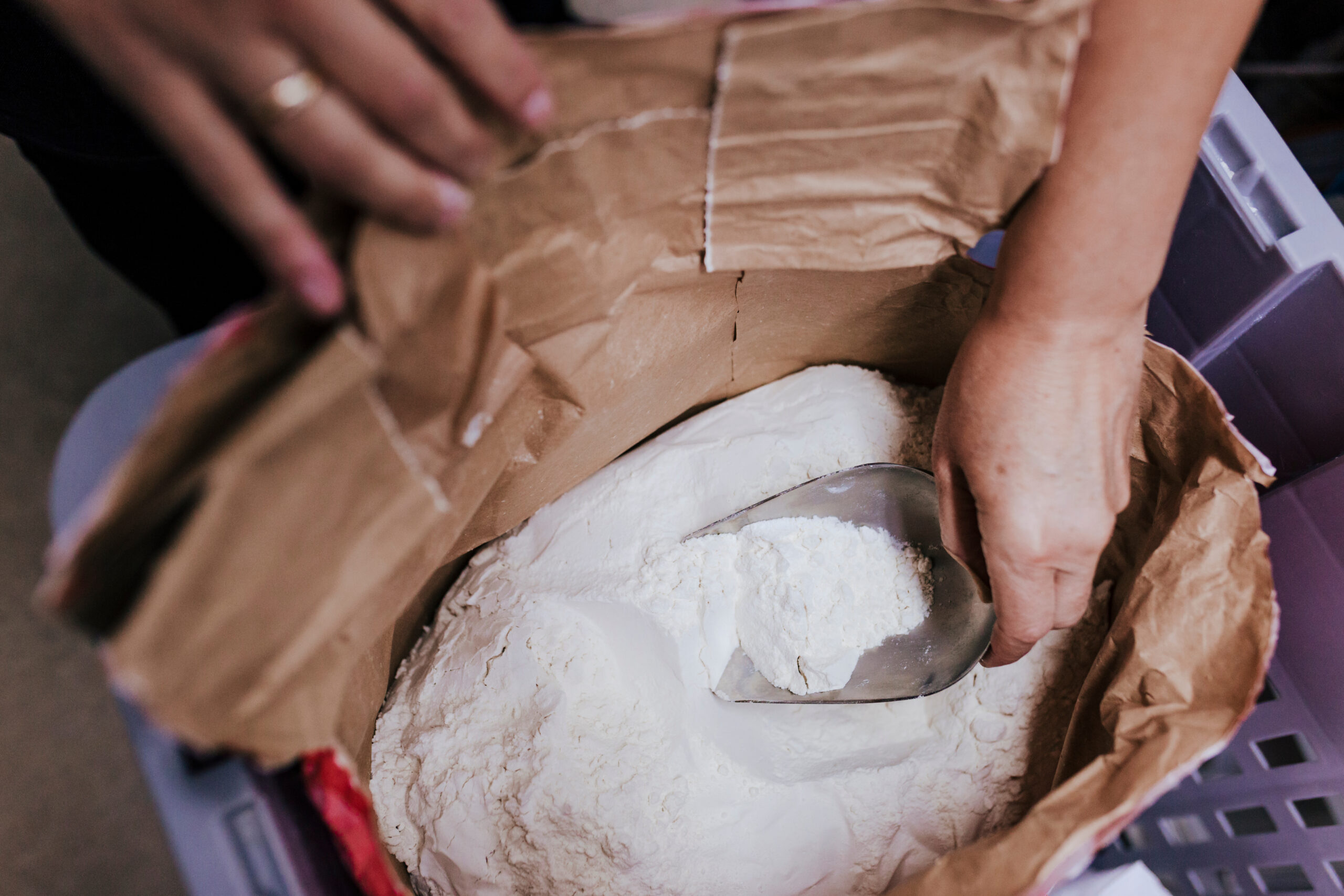
Scooping flour directly from its bag with a measuring cup looks convenient, but it can pack more flour into the cup than the recipe requires. A densely packed cup could contain as much as 160 grams, compared with approximately 120 grams using its recommended lighter measuring method.
That difference can change the finished texture of cookies. Extra flour can turn a chewy batch into something dry and cakey, leaving you wondering why the recipe didn’t work as expected.
Using a kitchen scale and following the recipe’s specified weight is a more dependable approach. If you’re measuring with cups, spoon the flour into the measuring cup and level the top instead of scooping directly from the bag. This small adjustment can make a difference when preparing everything from cookies to cakes.
Skipping Proper Cake-Pan Preparation
Greasing a cake pan quickly and hoping everything comes out perfectly is tempting, especially when you’re trying to finish several baking tasks. Unfortunately, cake sticking to the bottom or sides can turn removing the finished layers into an unwanted challenge.
King Arthur’s pan-preparation trials recommend placing parchment paper on the bottom and using nonstick spray on the sides for the tested round cake pans. Its comparisons found that butter alone was less reliable than pan spray or shortening.
A little prep before adding the batter can save you from loosening stubborn cake pieces or dealing with a damaged layer afterward.
However, different pans require different approaches. Bundt-style pans, for example, have their own preparation considerations, so follow the instructions for your particular recipe.
Loading the Oven Before It Is Properly Preheated
When the batter is ready, waiting for the oven can feel like wasted time. Some bakers place their pans inside as soon as the oven starts heating, hoping the appliance will catch up during the baking process.
The problem is that the recipe’s temperature instructions assume the oven has reached the required conditions. King Arthur recommends fully preheating the oven and checking the actual temperature independently when necessary, since built-in readings can be inaccurate.
Its Classic Birthday Cake recipe, for example, specifies a preheated oven at 325°F. Starting before the oven reaches the required temperature makes the recipe’s stated baking time less dependable.
An independent oven thermometer can help you check the temperature, although it isn’t a requirement for every successful bake. The more important habit is giving the oven time to reach the temperature the recipe calls for.
Frosting a Cake While the Layers Are Still Warm
Finishing a cake is often the most exciting part of baking, so it’s understandable that nobody wants to wait around after the layers come out of the oven. But applying frosting before the cake has cooled can make decorating frustrating.
King Arthur recommends allowing cake layers to cool completely before applying a crumb coat. Its cake guidance also explains that cool cake and frosting make the icing process easier to manage. Warm layers can make frosting difficult to control, forcing you to stop and chill the cake before continuing.
This is particularly frustrating after spending time preparing and baking the layers. Instead of finishing the decoration immediately, you may find yourself waiting for everything to cool or firm up before proceeding.
Of course, not every cake needs traditional frosting. Some recipes intentionally call for warm cakes with pourable toppings.
But when a recipe requires buttercream or another frosting that depends on cooled layers, patience is part of the process. A homemade buttercream frosting is one example where getting the cake preparation right matters before decorating.
Baking shortcuts aren’t always bad ideas, but removing a step a recipe depends on can create more work than it saves. Sometimes, the quickest route to a successful cake or batch of cookies is simply giving the recipe the time it needs.