You’ve taken a package of ground beef out of the freezer, planning to make dinner. Then plans change. Maybe someone suggests ordering pizza, or perhaps there’s already enough food in the refrigerator. Now you’re staring at the thawed meat, wondering whether putting it back in the freezer is a terrible idea.
Here’s the surprise: refreezing meat isn’t automatically a mistake.
According to the U.S. Department of Agriculture (USDA), you can refreeze raw meat thawed in the refrigerator without cooking, as long as you handled it properly and kept it within its recommended storage period.
The real difference comes down to how the meat was thawed, how long it stayed refrigerated, and whether its quality has changed.
Before you throw away another package unnecessarily, here are seven common misconceptions worth clearing up.
You Should Never Refreeze Raw Meat
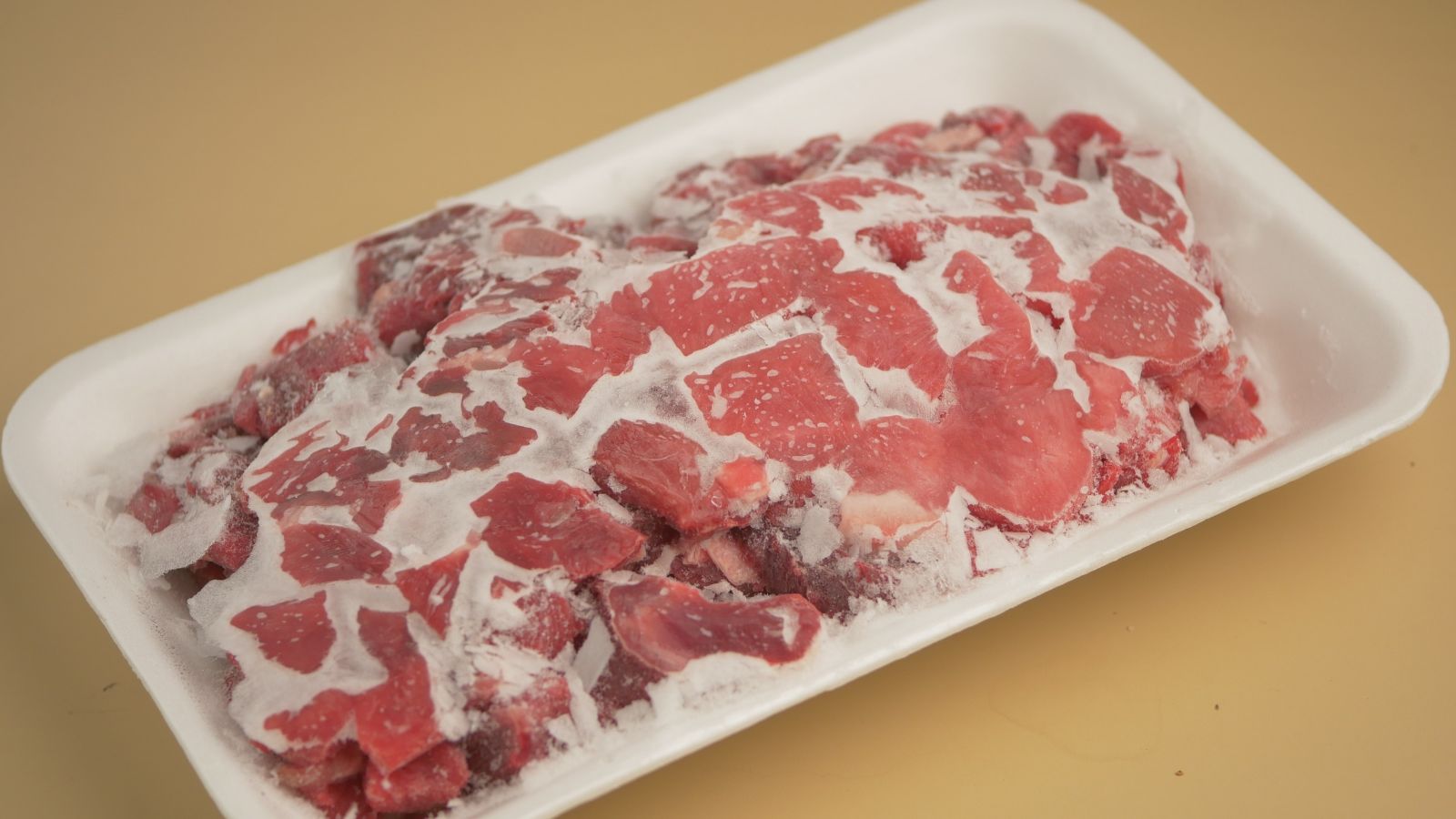
This might be the most persistent misconception surrounding frozen meat. Once chicken, beef, or pork has thawed, some home cooks assume they must cook it immediately or throw it out. But the USDA’s official guidance tells a different story.
Meat thawed in the refrigerator can go back into the freezer without being cooked first, as long as it has remained properly refrigerated and is still within its recommended storage window. One possible drawback is quality.
During thawing, meat can lose moisture. Freezing it again may affect how juicy and tender it feels after cooking. So refreezing isn’t automatically the problem. The preparation and storage history matter much more.
It Doesn’t Matter How You Thaw Meat
The refrigerator, microwave, and a bowl of cold water might all seem like convenient ways to thaw dinner. But the USDA treats these methods differently when it comes to refreezing.
Refrigerator-thawed meat can generally be refrozen raw if the other storage conditions have been met. Meat thawed in cold water should be cooked before returning to the freezer. The USDA recommends using a leakproof package and changing the cold water every 30 minutes.
Microwave-thawed meat also needs to be cooked immediately before refreezing. Leaving meat on the kitchen counter isn’t one of the USDA’s recommended thawing methods.
The easiest approach when dinner plans are uncertain? Thaw your meat in the refrigerator, which gives you greater flexibility if plans change.
Thawed Meat Can Stay in the Refrigerator Indefinitely
It’s tempting to think that once meat has moved from the freezer to the refrigerator, there’s no particular hurry to use it. But refrigerator storage has its own timeline.
The USDA recommends using or refreezing thawed ground meat and poultry within one to two days. Larger cuts of beef, pork, lamb, and veal, including steaks, chops, and roasts, generally have a refrigerated window of three to five days after thawing.
Those recommendations assume the meat was thawed in the refrigerator and kept at 40°F or below. A practical solution is to note the day you moved the package out of the freezer.
That small habit makes it easier to decide when to cook, refrigerate, or refreeze without relying on guesswork.
Freezing Meat Again Erases Everything That Happened Before
The freezer is wonderful for preserving ingredients, but it isn’t a magical reset button. If meat has spent too long outside refrigeration, putting it back into the freezer doesn’t erase its previous handling conditions.
The USDA recommends discarding perishable food left unrefrigerated for more than two hours, or one hour when the surrounding temperature exceeds 90°F. Those limits matter even when the meat was originally frozen.
The agency also explains that the outer portion of a frozen package may warm considerably before the center finishes thawing. That’s why leaving a package on the counter all afternoon isn’t equivalent to thawing it slowly in the refrigerator.
Think of freezing as a way to preserve properly handled food, rather than a way to reverse questionable storage.
Partially Thawed Meat After a Power Outage Must Always Be Thrown Away
A power outage can create an especially frustrating situation. You open the freezer, discover that some packages have softened, and wonder whether everything needs to go.
Fortunately, the answer isn’t automatically yes. According to FoodSafety.gov’s power-outage guidance, frozen meat can generally be refrozen when it still contains ice crystals or measures 40°F or below, provided its temperature history meets the guidance.
The agency estimates that a full, unopened freezer can maintain its temperature for approximately 48 hours. A half-full freezer generally lasts about 24 hours. These are estimates, not guarantees.
Check each package individually, and use a thermometer when possible. For meat that has remained above 40°F for more than two hours, FoodSafety.gov recommends discarding it.
Meat Can Only Be Refrozen Once
You’ve probably heard someone insist that meat gets only one chance to return to the freezer. But USDA doesn’t have a universal rule limiting properly handled meat to one refreezing cycle.
In a Consumer Reports investigation, Rutgers University food scientist Donald Schaffner explained that meat can be thawed and refrozen repeatedly when appropriate handling conditions are maintained. However, each cycle can affect quality.
Freezing creates ice crystals, and repeated thawing can lead to additional moisture loss. That means meat may become drier or develop a less appealing texture after several cycles. The smartest kitchen strategy is to divide larger packages into smaller portions before freezing.
You’ll only need to thaw what you plan to cook, preserving the rest for another meal.
Smelling Meat Tells You Everything You Need to Know
The familiar sniff test has become something of a kitchen tradition. A package comes out of the refrigerator, someone gives it a quick smell, and that becomes the deciding factor. But appearance and smell cannot reliably tell you everything about a package’s storage condition.
The USDA advises consumers to rely on proper time and temperature information rather than appearance alone. FoodSafety.gov also warns against tasting food to determine whether it should be kept.
A more dependable approach is to track when the meat was thawed and whether it has remained refrigerated at the recommended temperature.
If you aren’t sure how long a package spent outside refrigeration, a normal smell doesn’t resolve that uncertainty. A little recordkeeping beats guesswork every time.
The Smartest Freezer Habit Is Planning Ahead
Refreezing meat doesn’t have to be confusing. The key is understanding the distinction between storage conditions and eating quality.
Meat thawed in the refrigerator can often return to the freezer within its recommended timeframe. Meat thawed using cold water or a microwave should be cooked first, and repeated freezing may gradually change its texture.
For everyday cooking, consider dividing meat into meal-sized portions before freezing and labeling packages with their dates.
That way, you’re less likely to thaw more than you need, and you won’t have to question every change in dinner plans. A well-organized freezer should make cooking easier, not leave you second-guessing what’s inside.