Some restaurants serve burgers. Others serve a little slice of American history. In Burbank, California, one old-fashioned diner has been doing both for 77 years, complete with a towering neon sign, classic booths, thick milkshakes, and the famous Big Boy mascot standing outside.
Bob’s Big Boy opened in 1949 and remains the oldest operating Bob’s Big Boy restaurant in America, according to the Los Angeles Conservancy. Despite nearly facing demolition in the 1990s, this California landmark continues to welcome customers in 2026. Its combination of vintage architecture, Hollywood history, and classic American comfort food makes it much more than an ordinary burger stop.
A Humble Beginning That Grew Into an American Favorite
The story begins in 1936, when a young entrepreneur named Bob Wian opened a small hamburger stand called Bob’s Pantry in Glendale, California.
Wian had a simple business idea: serve good food in a welcoming setting. His restaurant eventually became known for its double-decker hamburgers, which helped establish the Big Boy brand.
As the business expanded, a new restaurant opened in Burbank in 1949.
The location was built by Scott MacDonald and Ward Albert, with architect Wayne McAllister responsible for its eye-catching design.
Interestingly, the original Glendale restaurant was demolished in 1990. The Burbank establishment survived, eventually becoming the oldest operating Bob’s Big Boy in the country.
Today, visitors can still find it at 4211 W. Riverside Drive, where its distinctive appearance continues to attract attention.
The Building Looks Like Something Straight Out of the 1950s
One glance at Bob’s Big Boy reveals why people appreciate its nostalgic character.
The restaurant features a sweeping roofline, large curved windows, broad canopies, and a prominent neon sign that stands above the property.
These features reflect a period when roadside restaurants needed to grab the attention of passing drivers.
McAllister’s design combined Streamline Moderne architecture with emerging postwar coffee-shop styles, creating a building that looked modern and exciting when it opened.
Inside, visitors encounter another connection to the past.
Although the restaurant has undergone several renovations, its original seating arrangement remains. Booths still follow the curved window wall, preserving an important part of the building’s historic design.
Another interesting feature is the surviving boomerang-shaped steel canopy associated with its original drive-in arrangement.
Rather than being a modern restaurant decorated to look vintage, Bob’s Big Boy is a genuine survivor of California’s postwar dining culture.
This Historic Diner Almost Disappeared in the 1990s
For a restaurant that has become such a recognizable landmark, its survival wasn’t always guaranteed.
During the early 1990s, plans emerged to demolish the building and replace it with a retail development.
The proposal alarmed preservation advocates who recognized the restaurant’s architectural and cultural importance.
The Los Angeles Conservancy’s Modern Committee joined efforts to protect the property, arguing that the distinctive building deserved preservation.
In November 1992, the restaurant and its famous sign received recognition as a California Point of Historical Interest.
The following year, the MacDonald family acquired operating control and began investing in the property.
Restoration work included improvements to the neon sign, dining room renovations, and the addition of an outdoor patio.
Those efforts helped preserve a restaurant that might otherwise have disappeared from Southern California’s roadside landscape.
The Famous Double-Decker Burger Is Still on the Menu
Of course, history alone doesn’t explain why customers keep visiting Bob’s Big Boy.
The restaurant continues to serve the classic American diner dishes that helped make the brand recognizable.
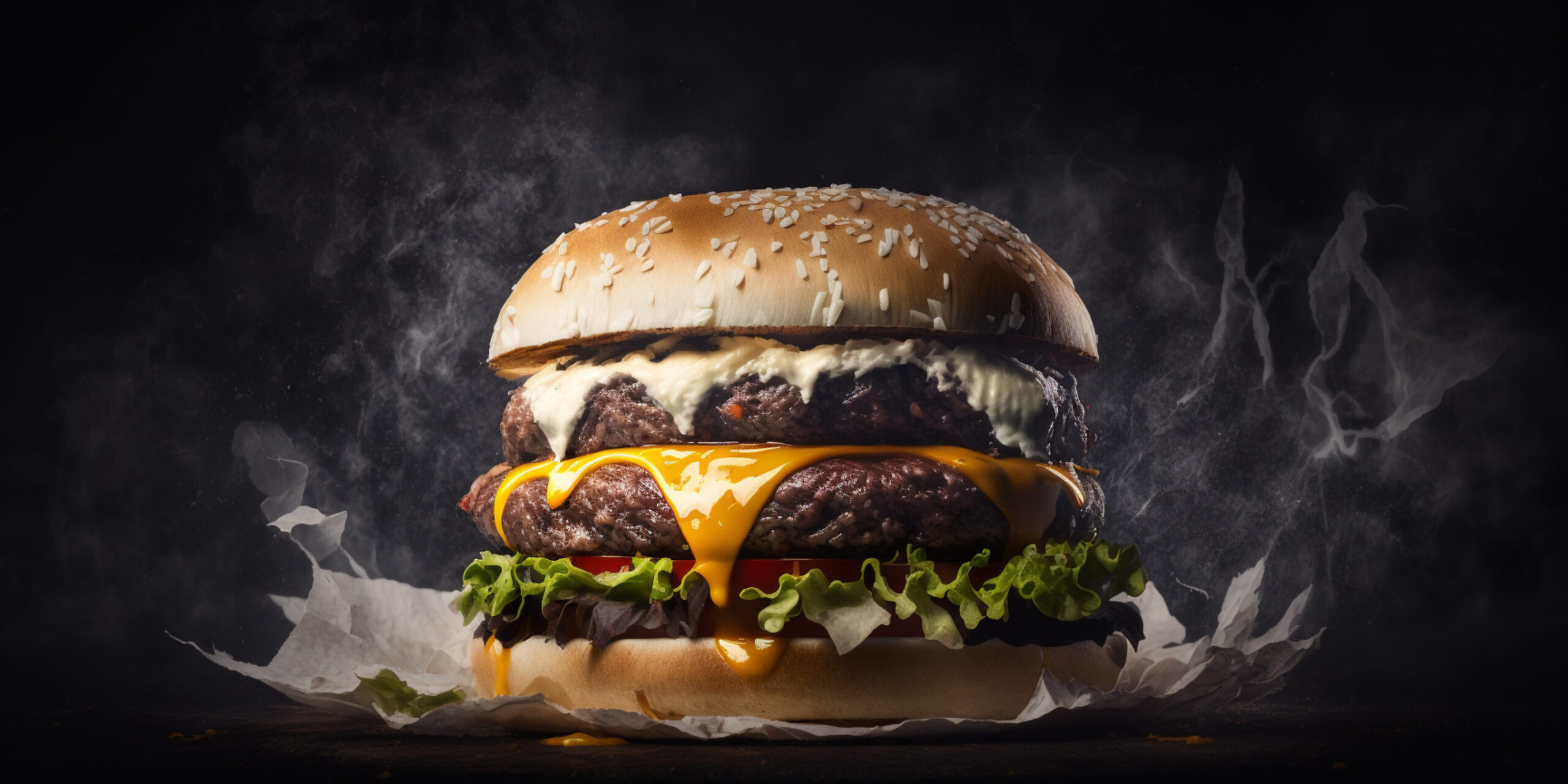
Its signature offering remains the Original Big Boy, a double-decker hamburger featuring two beef patties, lettuce, cheese, mayonnaise, and special red relish.
According to the restaurant’s published menu, the Original Big Boy Combo costs $15.99, although prices are subject to change.
Customers who want something different can choose from several other traditional diner favorites.
The menu includes patty melts, fried chicken, chili-topped burgers, and classic breakfast options.
Then there are the milkshakes.
Bob’s serves thick milkshakes topped with whipped cream and a cherry, accompanied by the stainless mixing cup used to prepare them.
Available flavors include chocolate, vanilla, strawberry, mocha, banana, and orange cream.
Dessert fans can also order the Hot Fudge Cake, made with chocolate cake, vanilla ice cream, hot fudge, whipped topping, and a cherry.
It’s the kind of familiar diner menu that fits perfectly with the restaurant’s vintage surroundings.
Hollywood History Adds Another Layer of Nostalgia
Bob’s Big Boy has also earned a place in Southern California’s entertainment history.
According to the restaurant’s account, the Beatles visited during their 1965 American tour.
A booth near the Riverside Drive windows commemorates their reported stop, making it an interesting attraction for music fans.
The diner also appeared in Michael Mann’s 1995 crime film Heat, adding another Hollywood connection to its history.
Filmmaker David Lynch was another notable customer.
Lynch recalled visiting the restaurant daily for seven years and using napkins to write down ideas.
His connection to Bob’s became especially meaningful in January 2025, when fans gathered outside the restaurant following his death.
Visitors left flowers, messages, and other tributes around the Big Boy mascot statue, creating a temporary memorial.
The gathering highlighted how an ordinary neighborhood restaurant can become part of people’s personal and cultural memories.
Friday Nights Turn the Parking Lot Into a Classic-Car Gathering
Anyone who appreciates vintage automobiles might find Friday evenings particularly interesting.
Bob’s Big Boy advertises a weekly Classic Car Show that brings automobile enthusiasts together in the restaurant’s parking lot.
The event is scheduled for Fridays from 4 p.m. to 10 p.m.
Hot rods and classic vehicles create a fitting backdrop for a building originally designed around Southern California’s automobile culture.
The gatherings also give visitors another way to appreciate the diner’s history beyond ordering a meal.
For anyone planning to attend, checking the event schedule beforehand is a good idea, since individual gatherings may change.
Why This 77-Year-Old California Diner Still Matters
Bob’s Big Boy celebrated its 75th anniversary in 2024, marking another milestone for the historic Burbank restaurant.
In 2026, its published schedule continues to list daily operations, with opening hours from 6 a.m. to midnight Sunday through Thursday and 6 a.m. to 3 a.m. on Fridays and Saturdays. Last seating is 30 minutes before closing.
But what makes this diner special isn’t simply its age.
It’s the fact that the building survived redevelopment plans, preserved its distinctive architecture, and continued serving generations of customers.
Plenty of restaurants can create a retro atmosphere with vintage photographs, old-fashioned signs, and nostalgic decorations.
Bob’s Big Boy offers something different: a real 1949 restaurant with decades of history behind its walls.
And perhaps that’s the biggest reason it remains worth visiting. Long after the original Glendale location disappeared, the Burbank diner continues doing what it was built to do: welcoming hungry customers, serving familiar favorites, and keeping a memorable piece of California’s roadside history alive.