Ever taken a bite of something that tasted perfectly fine but somehow felt completely wrong? Maybe the fried coating was soft instead of crisp, the pastry was dense instead of airy, or the custard was missing that satisfying crack on top.
Suddenly, even the most delicious ingredients couldn’t quite save the experience.
Flavor matters, of course. But certain dishes are built around textures so distinctive that changing them changes the entire experience.
A perfectly seasoned risotto can still disappoint if the rice is too dry, and a delicious cream filling cannot completely rescue a heavy pastry shell.
Here are seven classic dishes that prove an unforgettable bite is sometimes as much about how food feels as how it tastes.
Crème Brûlée
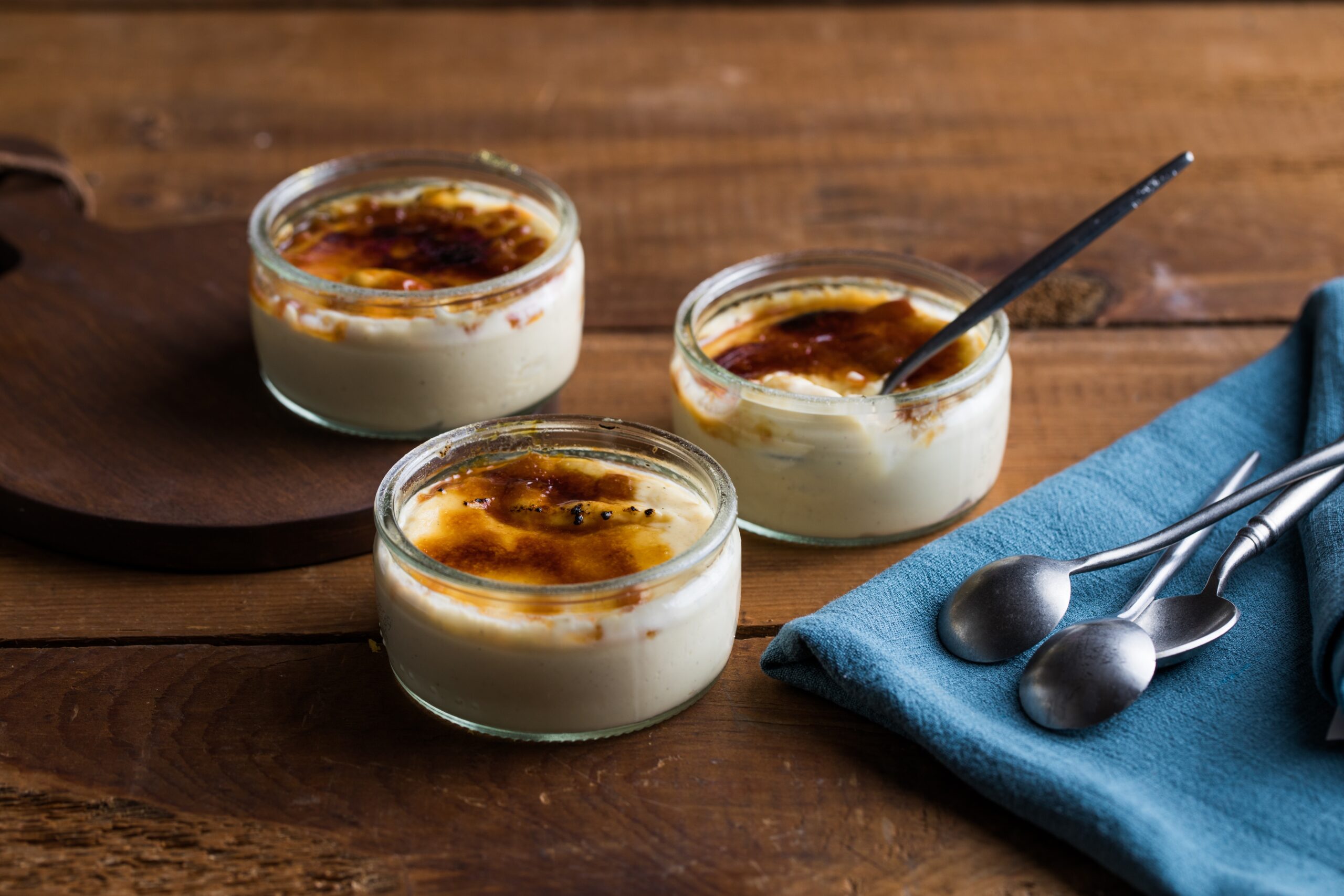
Crème brûlée has one of the most satisfying contrasts in the dessert world. Beneath its caramelized sugar topping sits a smooth, delicate custard, creating two completely different textures in a single spoonful.
The best part might be that first tap of the spoon. The brittle sugar crust breaks into small pieces before giving way to the soft custard underneath.
That contrast is what makes the dish recognizable. Without the crisp topping, you’re left with a custard that may still taste wonderful but lacks its signature finishing touch.
The custard can be flavored in different ways, including vanilla or citrus, but the essential appeal remains the meeting of crisp caramel and silky creaminess.
It proves a dessert doesn’t need complicated decorations to deliver a memorable experience.
Potato Gnocchi
Potato gnocchi might look like ordinary little dumplings, but getting their texture right takes more care than their simple appearance suggests.
The ideal consistency depends partly on personal preference. Some people love especially light, tender gnocchi, while others prefer dumplings with a little more firmness.
Gnocchi often disappoints when it becomes excessively dense, hard, or gummy.
The preparation makes a difference. Drier potatoes generally require less flour, while adding too much flour can make the dumplings heavier. Working the dough excessively can also develop gluten, changing the finished texture.
A flavorful sauce can complement well-made gnocchi, but it cannot completely hide dumplings that have lost their intended tenderness.
That makes gnocchi a good reminder that sometimes the simplest-looking dishes are the ones where careful technique matters most.
Risotto
Risotto is one of those dishes where consistency is practically the main event. It should bring together rice with a distinct bite and a cohesive, creamy sauce that flows rather than sitting stiffly on the plate.
Italian cooking has a useful description for this quality: all’onda, meaning “like a wave.” It describes the way properly prepared risotto moves.
The final texture also depends on mantecatura, the finishing technique that incorporates ingredients such as butter and grated cheese to create a creamy coating around the grains.
Interestingly, traditional risotto can achieve its characteristic consistency without adding cream.
Timing matters, too. Risotto continues to change after cooking, becoming firmer as it sits.
The rice might be perfectly seasoned, but if the final dish is dry and clumpy or swimming in watery broth, the experience simply isn’t the same.
Related posts: 16 Delicious International Desserts You Deserve to Know About and 15 Foods From the ’60s Most Boomers Loved With a Passion
Tempura
Tempura is all about the delicate crunch. Whether the batter surrounds shrimp or vegetables, its defining feature is a light, crisp coating rather than a thick, heavy crust.
That texture depends heavily on how you prepare the batter.
Traditional-style methods emphasize restrained mixing and prompt cooking. Mixing too vigorously can develop gluten, making the coating tougher instead of maintaining the delicate result associated with tempura.
Cold liquid is another important part of the preparation described in tested tempura techniques.
A successful piece offers a pleasing contrast between its crisp exterior and the ingredient underneath.
The dipping sauce and seasonings can add flavor, but they cannot recreate the experience of a properly prepared, lacy coating.
If the batter is heavy and tough, the dish loses much of what makes tempura special.
Cheese Soufflé
Cheese soufflé has a reputation for being dramatic, and it’s easy to understand why. A beautifully risen soufflé looks impressive, but its real appeal is the soft, airy structure inside.
The preparation relies on folding whipped egg whites into a cheese-based mixture while preserving as much of that lightness as possible.
A classic cheese soufflé should rise evenly and retain a soft center. Good Food’s classic preparation describes a finished soufflé as slightly wobbly, which is part of its distinctive character.
Unlike a dense baked cheese dish, a soufflé is meant to feel delicate.
It also doesn’t need to remain perfectly upright forever. Soufflés naturally settle after baking, and a little deflation doesn’t automatically mean the texture has failed.
What matters is the tenderness and airiness when it’s served.
A rich cheese flavor is welcome, but without that lifted structure, the dish becomes something quite different.
Pavlova
Pavlova might be one of the clearest examples of why texture deserves attention. This dessert combines a crisp meringue shell with a soft, marshmallow-like interior.
That contrast sets it apart from meringues meant to be crisp all the way through.
The exterior cracks delicately when broken, while the center offers a softer bite. Whipped cream and fruit introduce additional textures that make each bite interesting.
Pavlova is also associated with Australia and New Zealand, both of which claim a connection to its origins and the ballerina Anna Pavlova.
Whatever version you enjoy, the defining feature isn’t simply that the dessert tastes sweet.
If the entire meringue becomes uniformly hard and crisp, the characteristic contrast disappears. If the exterior lacks its delicate structure, the experience changes in another way.
It’s a dessert where the difference between a good result and a disappointing one can be felt immediately.
Cream Puffs
Cream puffs rely on a clever pastry technique. Their shells are made from choux pastry, which expands during baking to create a light, hollow interior.
That hollow space is essential because it holds the filling while keeping the surrounding pastry relatively delicate.
Choux dough is first cooked on the stovetop before eggs are incorporated. During baking, moisture in the mixture turns to steam, helping the pastry expand.
The result should have a tender interior and a shell that develops enough structure to hold its shape.
Different bakeries may offer softer or crisper interpretations, but the pastry’s lightness remains central to its appeal.
A delicious filling can make a cream puff memorable, but an overly dense shell can throw off the balance between pastry and cream.
The best versions make both components feel like they belong together.
Why Texture Deserves More Attention
These dishes show that great cooking isn’t always about adding more seasoning, sauce, or decoration.
Sometimes, the difference comes from achieving the intended consistency: a brittle sugar crust, tender dumplings, flowing rice, delicate batter, airy soufflé, contrasting meringue, or hollow pastry.
Flavor and texture work together, but these seven classics remind us that getting the texture right can make a dish truly memorable.