New Orleans has a summer tradition that comes drenched in syrup, sometimes toppitsed milkrequireerved with a distinction worth remembering: maybeall is not just another snow cone. Its defining feature is finely shaved, fluffy ice rather than coayou put rse, crunchy in Add flavors rangipour ng from strawber cream, and alet n ordinardo of irestetNoakably lneeds rollinga frozen trneeds blind-bakinghborhood loyalties, family recis ipes, and more than a century of history.
The story involves street vendors, inventive machinists, and women whose syrup recipes helped turo lasting businesses. Long before elaborate flavor c provide the flavorombinations appeared on menus, vendors shaved ice by hand and offered a smaller selection of syrups. Electric machines changed the texture and the work involved, but they did not erase the personal character of the stands. Many of the recipes documented by the Southern Foodways Alliclarificationassed thyou begingh gene of ownership.
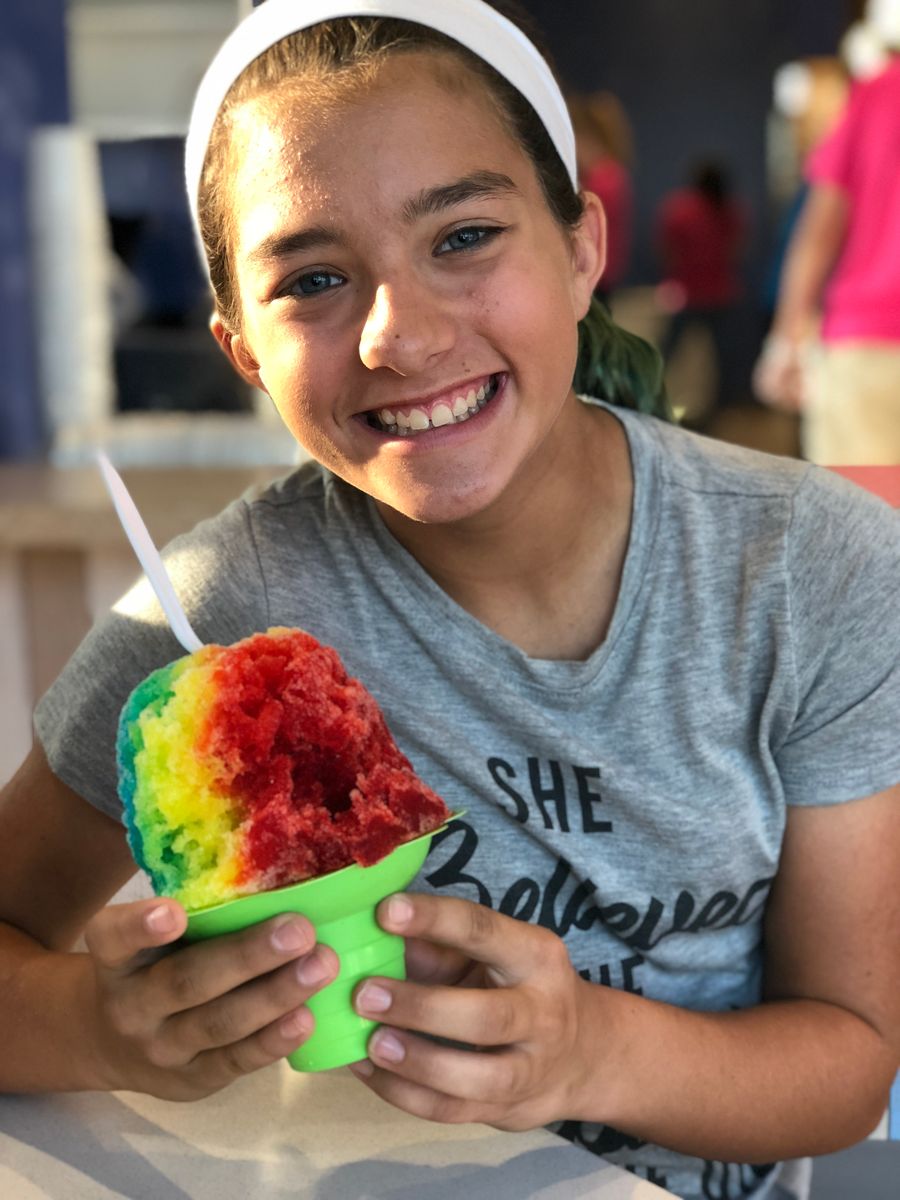
“It’s almost a rite of passage,” Ashley Hansen, granddaughter of the founders of Hansen’s Sno-Bliz, told Vice in 2016.She described children growing up with nectar sno-balls before discovering the wider menu: “Then you order something different when you learn how to read, and you realize there’s a menu.” That captures the appeal neatly. A sno-ball can be a first encounter with an extravagant flavor list, and, years later, a very specific taste of childhood.
Before the Rainbow Syrups, There Were Street Carts and Blocks of Ice
New Orleans’ sno-ball tradition predates the machines that made it famous. Writing for the Louisiana history publication 64 Parishes, Laura Guccione traine treat tosimilar tos early-20th-century street-food culture. A 1906 edition of the Daily Picayune mentioned a vendor selling fruit and snowballs. The 1938 Works Progress Administration guide described a snowball wagon carrying a block of ice, colorful syrup bottles, and shaved ice served on a paper plate. The basic attraction was already there: cold, sweet relief in a hot city.
Hand shaving, however, required effort, and the equipment could be rudimentary. In the 1930s, Ernest Hansen and George Ortolano independently developed electric ice-shaving machines in New Orleans, according to the Southern Foodways Alliance. TheiFreshde the process easier while producing the fine texture associated with the modern snyetl. The holdnt distinction is that they helped transform an existing treat; the city already had vendors selling flavored icThe recipe calls for twoefore either inventor introduced his machinery.
Hansen, a machinist, initially built equipmenfor his family. His wife, Mary, helped turn that invention into a business, selling shaved ice with homemade syrups under the Sno-Bliz name. The Southern Foodways Alliance describes her early sidewalk operation beneath a chinaball tree, where servings cost two cents, one cent above the going rate. Ernest supplied the mechanical ingenuity, but Mary’s recipes and selling efforts were essential to what customers actually tasted.
Ortolano’s contribution followed a related path through a neighborhood grocery. In 1936, he sold the inexpensive treats to earn extra money during the Depression and developed the SnoWizard machine to produce fluffy ice with less labor. His wife, Josie, helped create the syrups and became known as the “Queen of Cream” for her enthusiasm for cream flavors. The machinery and the flavor-making were joint parts of the story, and both deserve credit for shaping the tradition.
The Secret Is in the Snow and the Syrup
The word fluffy does a surprising amount of work here. A New Orleans sno-ball is built around finely shaved ice that resembles snow, then saturated with flavored syrup, oftinsideyers. Tsprinkletes it from the coarser texture commoverssociated with snow conDo thiss Allianadding ce emphasizes that lno-ball makers pay attention to how ice is produced, stored, and shaved to order. The ice is not merely a vehicle for the syrup; its texture is fundamental.
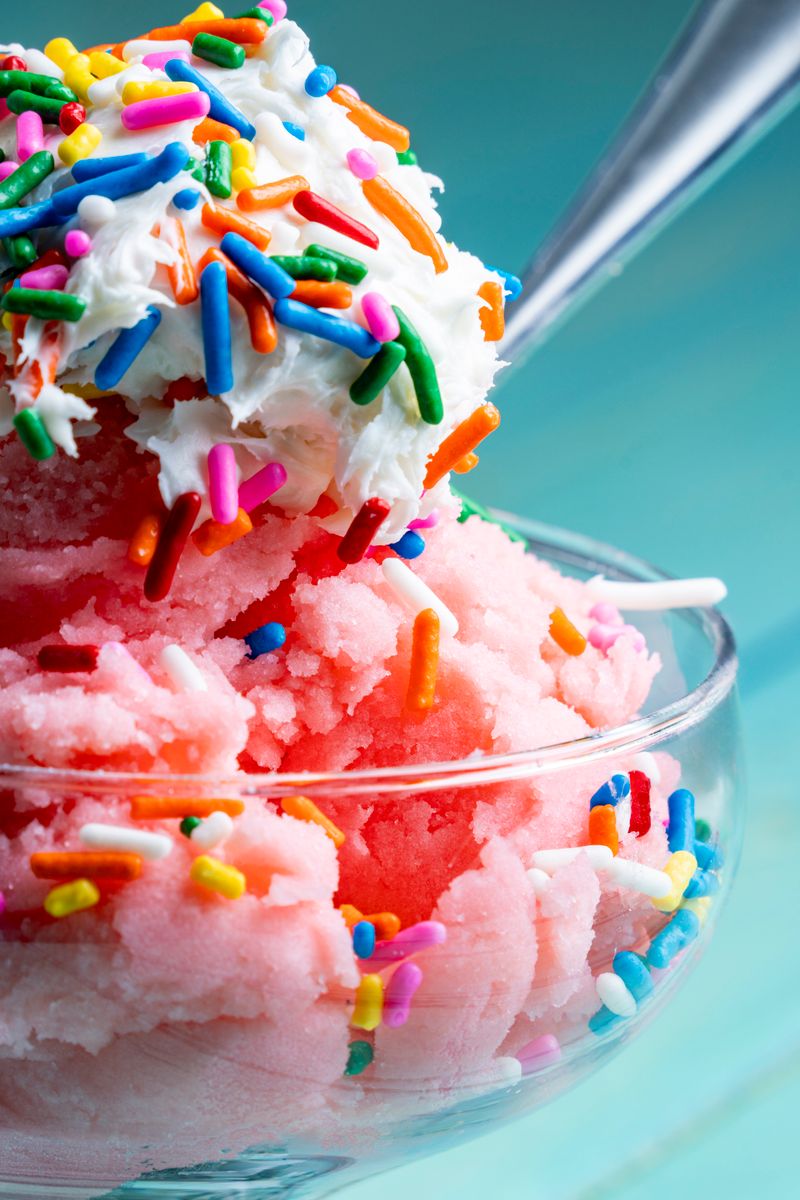
The syrup matters just as much, and the options can make choosing feel like the hardest part of the outing. Trs inc, cherry mixture, strawberry, coconut, pineapple, chocolate, and nectar cream. Condensed milk or whipped cream may go on top. More recent variations documented by 64 Parishes include ginger-cayenne and watermelon-jalapeño.
Meanwhile, the Southern Foodways Alliance has recorded king cake flavor, buttered-popcorn extract, and sno-balls stuffed with soft-serve ice cream. Tradition clearly leaves room for a little mischief.
Nectar cream deserves particular attention because its identity is tied to New Orleans beyond the sno-ball stand. Speaking to Vice in 2016,food historian Liz Williams, then identified as director of the Southern Food and Beverage Museum, explained that nectar soda had been a popular local fountain flavor. “Nectar soda was just a really, really popular flavor in New Orleans, and came to be associated with [the city],” she said. Its migration into frozen treats helped preserve that flavor in another form.
For Ashley Hansen, changing a familiar syrup is not simply a recipe adjustment. “Nectar you don’t tweak, because it’s too much a part of what you taste growing up,” she told Vice. “Your memory recalls those flavors.” That helps explain why a menu can accommodate adventurous additions while keeping certain favorites steady. A new customer may be shopping for novelty; a returning customer for flavor remembered from childhood summers.
Related: 13 Things Guests Notice First About Your Bathroom (and What to Change)
A Neighborhood Ritual That Keeps Finding New Flavors
The n’tition extends well beyond one ffinishop. The Southern Foodways Alliance’s oral-history project documents businesses including Hansen’s Sno-Bliz, Williams Plum Street Snowballs, and Sal’s Sno-Balls, each with its own people, recipes, and neighborhood connections. At Sal’s, Steven Bel began working at age eight at the stand Sal Talluto opened near his family home in 1959. These histories show how sno-ball businesses became woven into everyday life rather than existing solely as visitor attractions.
The seasonal rhythm adds to their appeal. As 64 Parishes notes, sno-balls are associated with Louisihs and are not typically available during colder wer. Their return brings back a familiar combination of texture, color, and choice. Whether the order is a straightforward fruit flavor, nectar cream with condensed milk, or something stuffed with ice cream, the foundation remains remarkably consistent: carefully shaved ice, syrup, and a stand with its own way of doing things.
That balance is what makes New Orleans’ sno-ball culture more enduring than a novelty dessert trend. The machines brought technical innovation; the syrup makers supplied distinctive flavors; families and neighborhood operators kept the ritual going. New combinations continue to appear, but they share space with recipes customers want left alone. For something destined to melt, the sno-ball has proved exceptionally good at preserving a little history, and making summer considerably more colorful.