Once, a few dollars could buy you a surprisingly good afternoon at Woolworth’s. You could walk through the doors, browse the candy counter, pick up something for the house, and finish your visit with a grilled cheese sandwich and a milkshake.
For generations of Americans, F.W. Woolworth wasn’t just another discount store. It was a neighborhood gathering place where children spent their allowances, parents bought household essentials, and shoppers discovered things they didn’t even know they needed.
Founded in 1879, the famous five-and-dime chain became an important part of American shopping culture. But in July 1997, Woolworth announced that it would close its remaining 400 U.S. variety stores, ending an era that had lasted more than a century.
Many products once found there are still available today. What has largely disappeared is the distinctive Woolworth shopping experience. Here are ten memorable purchases that longtime customers may wish they could make there again.
Hot Roasted Peanuts Sold in Paper Bags
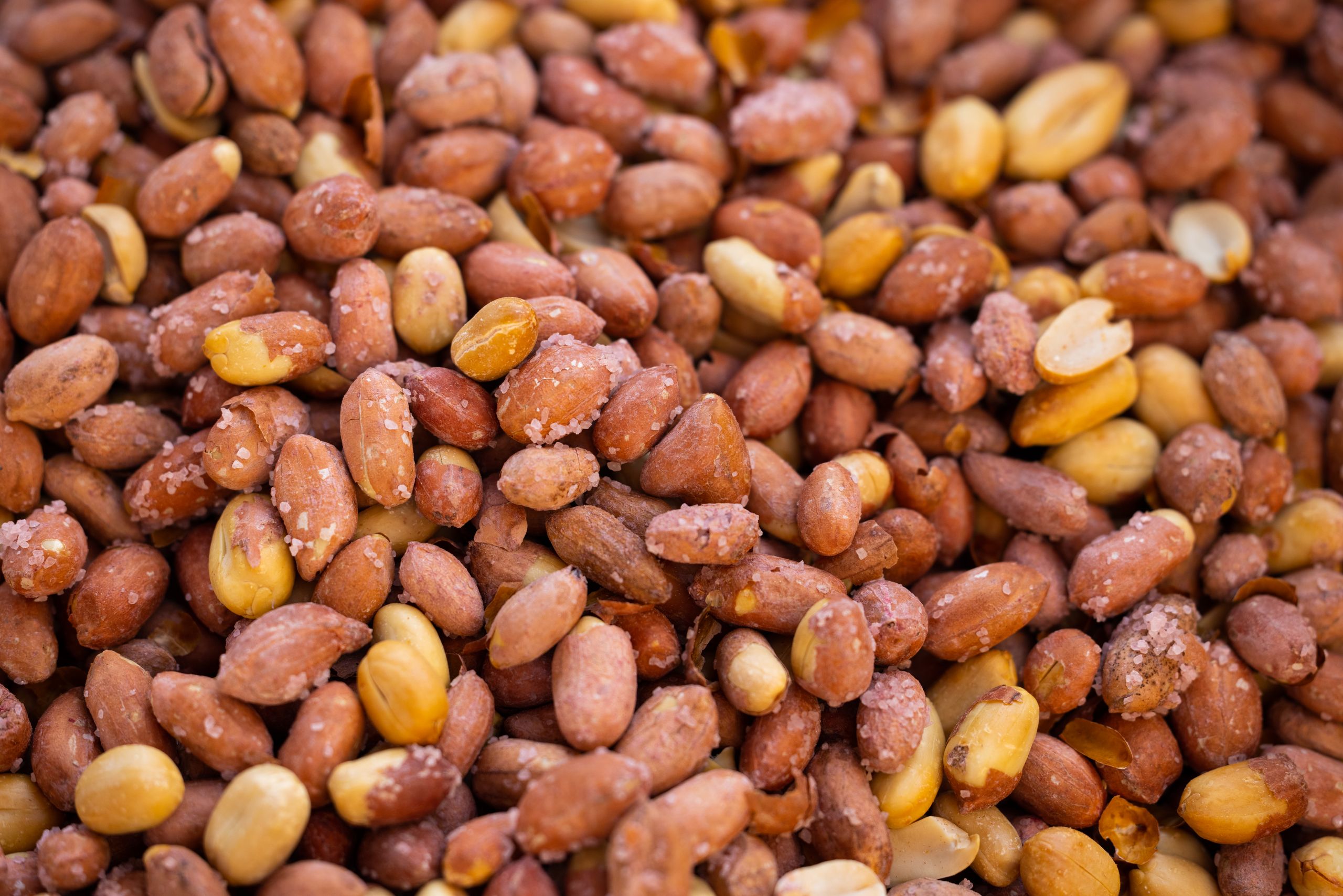
One of the most memorable things about visiting Woolworth’s was the smell of freshly roasted nuts.
Long before packaged snacks dominated supermarket shelves, shoppers could purchase warm peanuts and other nuts from counters where employees weighed their selections.
Employees often handed the peanuts in simple paper bags, making them easy to enjoy while walking through town.
For children accompanying their parents on shopping trips, a small bag of warm peanuts could be a special treat.
The experience involved more than the snack itself. The aroma, the sound of the nuts being scooped, and the excitement of receiving something freshly prepared added to it.
Shoppers remembered hot, salted peanuts as one of Woolworth’s favorites when the chain announced its closure in 1997.
Roasted peanuts are still widely available today, but the old-fashioned counter service is increasingly associated with specialty shops and nostalgic attractions.
Related:8 Childhood Memories That Will Take You Straight Back to the ’70s
Candy Scooped and Weighed by a Store Clerk
Imagine walking into a store with a handful of change and finding a candy counter filled with colorful sweets.
That was part of Woolworth’s magic.
Instead of grabbing a prepackaged bag from a supermarket shelf, customers could select candies and have employees measure out the amount they wanted.
Children could carefully calculate how much their allowance would buy, sometimes changing their minds several times before making a final selection.
The display itself was part of the attraction. Rows of colorful candy created a sense of abundance, even when customers had very little money to spend.
For many families, stopping at the candy counter became a shopping tradition.
Today, bulk candy stores and pick-and-mix displays still exist, but recreating the personal service and old-fashioned five-and-dime atmosphere is much harder.
Related:15 Things Your Parents Had in Their House That You Never See Today
Baby Turtles and Other Small Pets
Believe it or not, some Woolworth locations once sold live animals.
In certain stores, customers could find goldfish, parakeets, canaries, and even baby turtles.
For children, discovering a pet section while shopping for school supplies or household necessities could be an unexpected adventure.
Baby turtles were particularly memorable because they were small and relatively inexpensive.
However, selling small turtles eventually raised serious public health concerns.
In 1975, the U.S. Food and Drug Administration prohibited the sale and distribution of turtles with shells shorter than four inches for most purposes because of the risk of Salmonella infections.
Historical accounts of Woolworth also describe pet departments containing birds, turtles, and goldfish.
Although pet stores still sell certain aquatic animals, casually buying tiny turtles on a trip to the local five-and-dime is largely a thing of the past.
Affordable Meals at the Famous Lunch Counter
Woolworth’s wasn’t simply a place to buy merchandise. In many communities, it was also somewhere to sit down for a meal.
The lunch counters served familiar American favorites, including hamburgers, sandwiches, French fries, fountain drinks, and ice cream desserts.
Customers sat on stools, placed their orders, and enjoyed food without the formality of a traditional restaurant.
For some shoppers, the lunch counter was the main reason to visit.
It was an affordable place to meet friends, rest after shopping, or treat the children to something special.
Woolworth’s lunch counters also hold an important place in American civil rights history. On February 1, 1960, four Black college students began a sit-in at a segregated Woolworth lunch counter in Greensboro, North Carolina. Their protest helped inspire a broader movement against segregation in public accommodations.
While diners and soda fountains still exist, the classic Woolworth lunch-counter experience disappeared when the chain closed.
Inexpensive Sewing Supplies and Household Notions
Need a spool of thread, a packet of needles, or a replacement button?
Woolworth’s was once the kind of store where you could find all three without making a special trip to a fabric shop.
Its sewing and household sections carried practical items that helped families repair clothing and handle everyday chores.
Customers browsed buttons, pins, thread, hair accessories, and other small essentials.
These products were especially valuable when repairing clothes was a common household habit.
Even in the chain’s final years, Woolworth continued selling inexpensive thread and other basic supplies.
A 1997 Los Angeles Times report described one store offering four spools of polyester thread for a dollar.
You can still buy sewing supplies today, but finding an extensive selection of inexpensive notions in an ordinary downtown variety store is less common.
Simple Toys That Cost Pocket Change
Before expensive electronic gadgets became a major part of children’s entertainment, simple toys could provide hours of fun.
Woolworth’s shelves were filled with affordable playthings that children could purchase with birthday money, allowances, or spare change.
Memorable items included yo-yos, small musical toys, inexpensive games, and other classic childhood favorites.
One historical account recalled a Duncan yo-yo demonstrator visiting a Woolworth store in Alexandria, Virginia, during the early 1950s.
For children, the toy section was often the most exciting part of the store.
Even families with limited budgets could occasionally afford a small surprise.
A toy didn’t need batteries, a charging cable, or an internet connection to become a treasured possession.
Although classic toys remain available, wandering through a five-and-dime and choosing something inexpensive has become increasingly nostalgic.
Old-Fashioned Hairnets, Bobby Pins, and Beauty Essentials
Woolworth’s beauty and personal-care sections offered practical products for everyday grooming.
Hairnets, bobby pins, combs, hair clips, and inexpensive cosmetics were familiar merchandise.
These products reflected changing hairstyles and beauty routines throughout the decades.
For women maintaining carefully styled curls or elaborate updos, a dependable supply of hair accessories was important.
Woolworth made these essentials accessible without requiring a visit to a department-store beauty counter.
When the chain’s closure was announced in 1997, newspaper reports specifically mentioned hairnets, hair clips, and lipstick among the products shoppers associated with the retailer.
Many of these items are still manufactured, of course.
What has disappeared is the experience of finding everyday beauty necessities alongside toys, candy, kitchenware, and lunch-counter meals in one familiar neighborhood store.
Colorful Holiday Decorations for Just a Few Dollars
Woolworth’s knew how to celebrate the seasons.
As holidays approached, its merchandise shifted to reflect what families needed for decorating, entertaining, and gift-giving.
Christmas displays featured ornaments, tinsel, and other festive accessories.
Valentine’s Day brought cards and small presents, while Easter encouraged families to browse seasonal treats and decorations.
The changing displays gave customers another reason to return regularly.
According to a retrospective published by The Washington Post, Woolworth stores frequently rotated their merchandise according to the calendar, particularly around major holidays.
For children, spotting the first Christmas decorations could signal that the holiday season was officially approaching.
Seasonal decorations are still sold everywhere, but Woolworth’s approach had a particular charm.
It made holiday shopping feel like a neighborhood tradition rather than a massive commercial event.
Inexpensive Handkerchiefs and Everyday Clothing Basics
Long before shoppers ordered inexpensive clothing online, Woolworth’s offered practical wardrobe essentials at accessible prices.
Customers could purchase socks, underwear, handkerchiefs, and other everyday garments.
These weren’t necessarily fashionable statement pieces. They were dependable basics families needed year-round.
Handkerchiefs were especially familiar accessories during much of Woolworth’s history.
People could carry them in pockets, tuck them into handbags, or buy them as simple gifts.
The store also appealed to people who needed inexpensive replacement clothing or accessories without visiting a large department store.
Contemporary reporting on Woolworth’s closure remembered the chain as a place where customers bought everything from handkerchiefs to underwear.
Although these products remain available elsewhere, the familiar shopping routine of picking up socks, stationery, and candy in one quick five-and-dime visit has mostly faded.
A Milkshake or Ice Cream Treat at the Soda Fountain
Few Woolworth memories are as comforting as sitting at the counter with a cold dessert.
Many locations offered soda-fountain favorites, including ice cream sundaes, milkshakes, and other sweet treats.
For children, these desserts could turn an ordinary shopping trip into a special occasion.
Parents might promise a treat after finishing their errands, giving everyone something to look forward to.
The experience was simple. Customers sat down, ordered their dessert, and watched the activity around the counter.
Unlike today’s drive-through culture, a soda fountain encouraged people to stop and enjoy the moment.
Some Woolworth locations became gathering places where neighbors recognized one another, and employees remembered regular customers.
Milkshakes and sundaes haven’t disappeared, but the combination of shopping, socializing, and old-fashioned fountain service has become much less common.
Why Woolworth’s Still Holds a Special Place in American Memories
Woolworth’s offered something modern shopping doesn’t always provide: discovery combined with familiar neighborhood routines.
Customers could enter for something practical and leave with candy, a small toy, or a memorable lunch.
The merchandise wasn’t necessarily unique or luxurious. Its appeal came from affordability, convenience, and the experience of shopping somewhere that felt connected to the community.
When the company announced its closures in 1997, the decision marked the end of an important chapter in American retail history.
Shopping has certainly become faster and more convenient since then. But for people who remember Woolworth’s, it’s difficult to replace the feeling of walking into a five-and-dime with a little money and endless possibilities.
Sometimes we miss not the products themselves, but the places and people tied to buying them.
Other Posts You Might Like:
Kids Who Grew Up in the ’70s and ’80s Enjoyed 6 Freedoms Children Today Rarely Get
‘Grandma Decor’ Is Making a Comeback — 11 Old-Fashioned Things Designers Say Never to Throw Out