There is something strangely satisfying about sneaking a piece of candy from someone else’s Halloween stash. Maybe it is the forbidden chocolate bar your sibling is saving, the handful of sweets your friend left unattended, or the candy you swore you wouldn’t touch until after dinner. Somehow, that stolen treat can feel more exciting than the entire bag of candy sitting right in front of you. But why does taking someone else’s candy feel so much sweeter?
The Thrill of Getting Away With Something
Sometimes, the excitement begins before the candy even reaches your mouth.
Halloween is full of playful mischief. Kids dress up as monsters, knock on strangers’ doors, and collect treats while pretending to be someone else. The whole evening creates an atmosphere where breaking a few harmless rules feels like part of the fun.
Sneaking candy adds another little adventure. You might feel a tiny rush as you reach into a sibling’s bag, hoping they won’t notice. That moment of anticipation can make the experience feel more exciting than simply opening your own candy.
Psychologists have studied how rewards can become more appealing when they are tied to excitement, anticipation, or a sense of achievement. The candy itself hasn’t changed, but the experience surrounding it has.
Why Forbidden Treats Become So Tempting
The moment someone tells you not to touch something, it can suddenly become harder to resist.
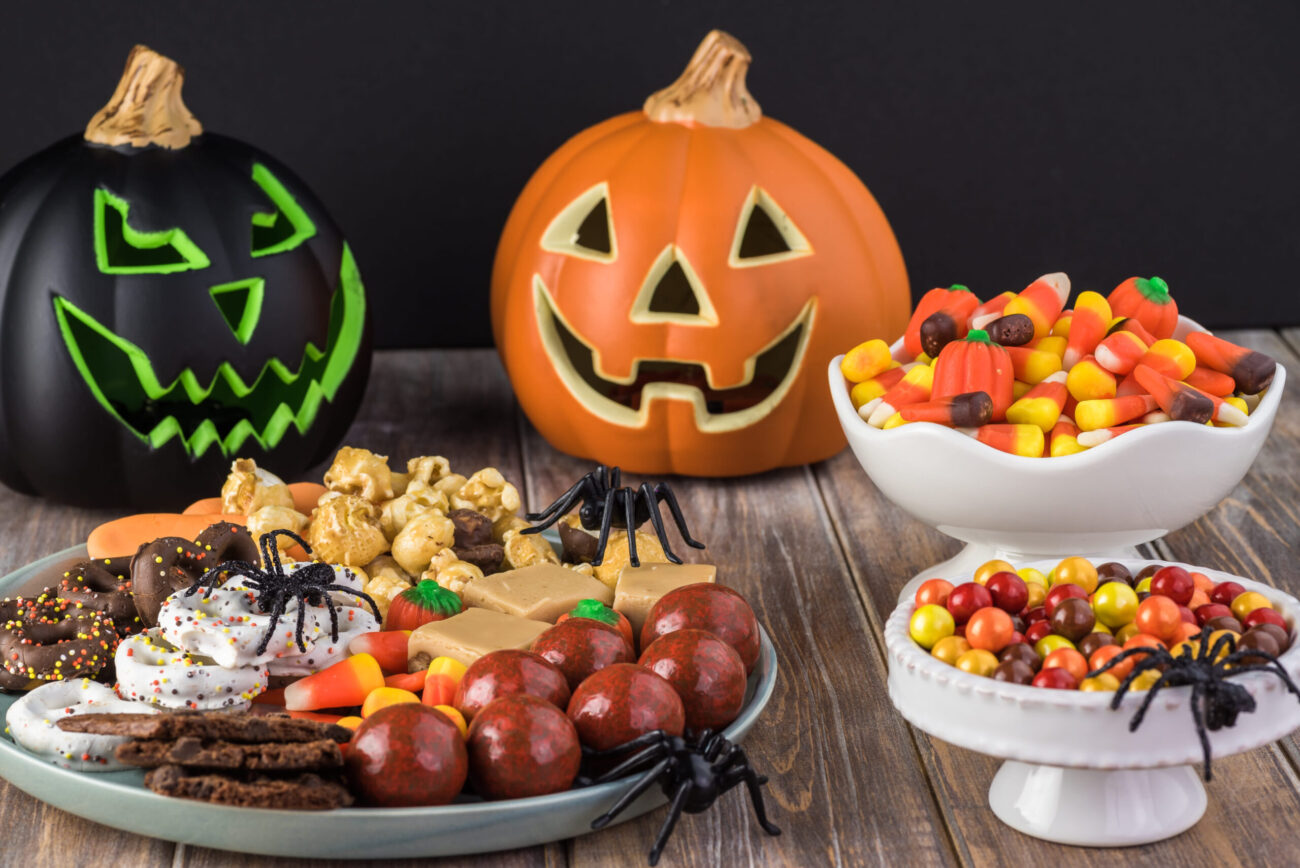
Imagine a bowl of Halloween candy sitting on the kitchen counter. Nobody pays much attention to it until a parent announces that it is off-limits until the weekend.
Suddenly, that bowl becomes the most interesting thing in the house. This reaction is connected to a psychological concept called reactance. When people feel that their freedom to choose is being restricted, they may become more motivated to do the very thing they have been told not to do.
The candy becomes more than a snack. It becomes a little challenge. The American Psychological Association describes psychological reactance as a response to perceived threats to one’s freedom. It helps explain why forbidden treats can become especially tempting.
The Candy Tastes Better Because the Moment Feels Different
Your brain pays attention to more than flavor.
Think about eating a chocolate bar while watching television compared with eating one during a Halloween adventure with friends.
The chocolate may be the same, but the second experience includes laughter, suspense, costumes, and the thrill of doing something sneaky.
Our experiences influence how we perceive food. Mood, expectations, surroundings, and memories can all shape whether something feels enjoyable.
A piece of candy eaten after a long night of trick-or-treating might become part of a happy memory. Years later, the taste could remind you of the excitement of Halloween.
Related: America’s Favorite Halloween Candy Changed in 12 States This Year — See What Your State Picked
The Best Candy Is Sometimes the One You Didn’t Expect
Surprise can turn an ordinary treat into a special discovery.
Maybe you thought your sibling’s bag contained nothing but boring candy corn, only to discover a miniature peanut butter cup tucked beneath the wrappers.
Or perhaps your friend offered you a candy you had never tried before. Unexpected rewards can feel especially exciting because they interrupt our expectations. The surprise becomes part of the enjoyment.
That is one reason Halloween candy trades can be so memorable. You might trade three candies you don’t like for one treat you’ve been hoping for all evening.
And if the candy came from someone else’s collection? Well, that can add another layer of excitement.
The Candy You Remember Most May Not Be Your Favorite
Sometimes, a treat’s story lasts longer than its taste.
Years after Halloween, people often remember the funny moments: the costume that fell apart, the neighbor who gave out giant candy bars, or the time someone accidentally grabbed the wrong bag.
The candy becomes part of the story. A favorite treat can also bring back memories of childhood, family traditions, and evenings spent walking through the neighborhood with friends.
Research on food and memory explores how flavors and smells can trigger vivid autobiographical memories. The National Institutes of Health has published research examining the relationship between food, memory, and the brain.
A Halloween Tradition Worth Keeping Playful
The fun should be in the mischief, not in upsetting someone.
Sneaking a candy from a sibling’s bag might become a funny family story, especially if everyone is in on the joke. But taking someone’s favorite treat without permission can turn a playful moment into an argument.
A candy trade, a shared bowl, or a friendly Halloween challenge can bring the same excitement without leaving anyone disappointed.
And if you’re the one guarding your candy stash, remember that hiding the best pieces might only make them more tempting.
Related: 20 Odd American Traditions That Confuse the Rest of the World
So, what Halloween treat would you be willing to sneak from someone else’s candy bag—and would it taste just as good if you bought it yourself?