In San Antonio, a tortilla can introduce several different food stories.
Fried until it inflates, it becomes the foundation of a puffy taco. Wrapped around eggs and potatoes, it carries breakfast. Filled with carne guisada, it holds a stew rather than something quickly grilled.
Those differences matter in a city whose Mexican and Texan influences are closely connected but not interchangeable. San Antonio’s food includes regional Mexican preparations, Mexican American family traditions, and dishes with a distinctive local identity. Corn, wheat and generations of cooks all belong in that history.
These seven dishes offer an entry point. Some highlight adaptation; others emphasize continuity. Together, they show how a city’s culinary character can develop by preserving traditions while making room for new combinations.
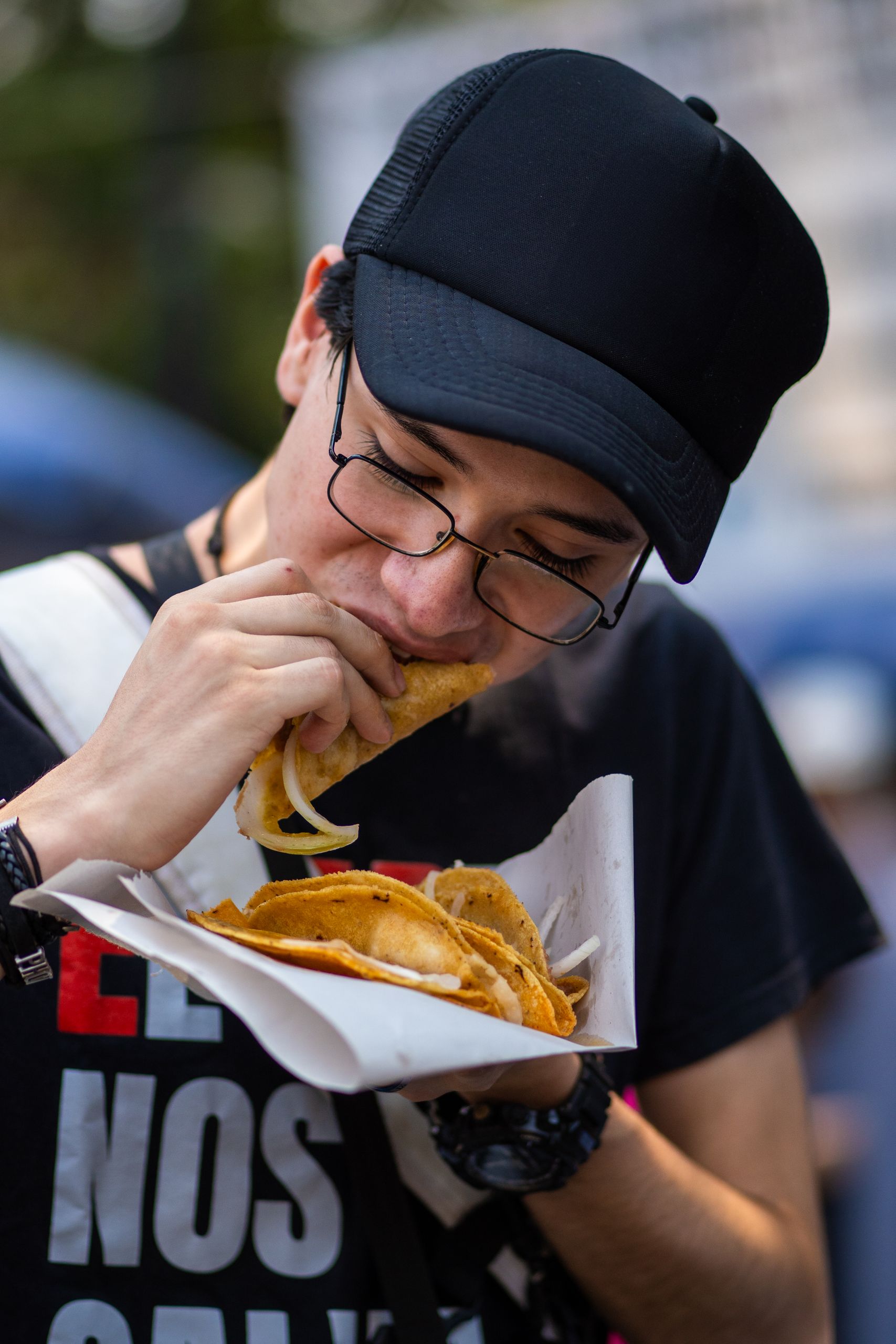
Puffy Tacos
The defining feature of a puffy taco is its shell, not a particular filling.
A raw corn-masa tortilla is deep-fried until it inflates, then shaped into a curved pocket. The process creates a shell with a crisp exterior and a softer interior, setting it apart from both a soft tortilla and a conventional hard taco shell.
Ground beef, lettuce, tomato, and cheese make a familiar combination, but the shell also accommodates other fillings. Rosario’s, for example, offers versions with ground beef, stewed chicken, or guacamole.
The dish is a useful starting point for exploring San Antonio because its distinctive preparation shows up before the first bite. Corn masa provides the foundation; frying and shaping give the taco its recognizable form.
Breakfast Tacos
Breakfast tacos tell their story through a familiar format with room for countless combinations.
At Con Huevos Tacos, the menu includes potato and egg, chorizo and egg, bacon and egg, and bean and cheese, each served in a homemade flour tortilla. These straightforward options sit alongside combinations with additional sauces, vegetables and cheeses.
The Irma combines scrambled eggs, salsa verde, Oaxaca cheese, avocado and cilantro. The Carmen combines potato and eggs with cheddar, avocado, and cilantro, with ranchera salsa on the side.
The differences show how a restaurant can put its own stamp on breakfast without abandoning the basic format.
The flour tortilla is part of that history, too. Wheat has long been part of Texas-Mexican cooking; it is not simply a recent substitute for corn.
Barbacoa
Barbacoa connects San Antonio to a wider Mexican tradition while carrying recognizable local associations.
It is not one identical preparation everywhere. The city’s restaurants serve beef barbacoa as well as regional preparations such as lamb barbacoa, reflecting the range of traditions gathered under the name.
In San Antonio, barbacoa also has a well-known companion: Big Red soda. The pairing appears in local restaurant culture and in the name of the city’s Barbacoa & Big Red Festival.
That relationship helps explain how food becomes associated with a place. A city does not have to invent a dish to develop customs around it.
Here, the preparation and its local accompaniments tell related but different stories: one reaches into broader Mexican food traditions. At the same time, the other reflects how San Antonians have made the meal their own.
Chili Con Carne
Chili con carne moves the story from the restaurant table into San Antonio’s public plazas.
Women remembered as the Chili Queens ran food stands serving residents and travelers. Their cooking introduced chili to a wider audience and helped spread its popularity beyond the city.
The Witte Museum’s account of the Chili Queens places these women at the center of that history, not merely as background figures in the story of a famous dish.
They were businesswomen who prepared food, served customers, and made a living in public spaces.
Their role adds an important dimension to chili’s association with Texas. The dish’s reach depended not only on ingredients and recipes, but also on the cooks who made it available and the customers who carried their enthusiasm elsewhere.
Tamales
Tamales tell a story of continuity rather than local invention.
Corn masa connects them to a wider Mexican food tradition. In Texas-Mexican foodways, tamales have also held an important place at special occasions, particularly Christmas.
San Antonio’s connection includes the shared work of making them.
At Market Square, La Gran Tamalada has brought families, neighbors, and visitors together around tamale-making since 2017. The gathering places participation alongside the finished food.
That distinction matters. A food tradition can continue through restaurant sales, but also through the time people spend preparing it together.
Tamales belong to a history much larger than one city. San Antonio’s gatherings show how that wider tradition can remain part of local community life.
Related: Top 13 Tourist Attractions in the United States You Must Visit
Carne Guisada
Carne guisada introduces another cooking method: stewing.
At Con Huevos Tacos, carne guisada appears on its own in a homemade flour tortilla. It also forms part of the Elida taco, which adds refried beans and cheddar.
Those options show how the same filling can anchor a straightforward taco or become part of a more layered combination.
They also broaden the picture beyond grilled meat and crunchy shells. San Antonio’s taco landscape includes fillings prepared in different ways, with stewed dishes occupying their own place alongside eggs, beans, and other ingredients.
Carne guisada helps make that range clear. Understanding the city’s food means looking not only at what goes inside a tortilla, but also at how it was cooked before it got there.
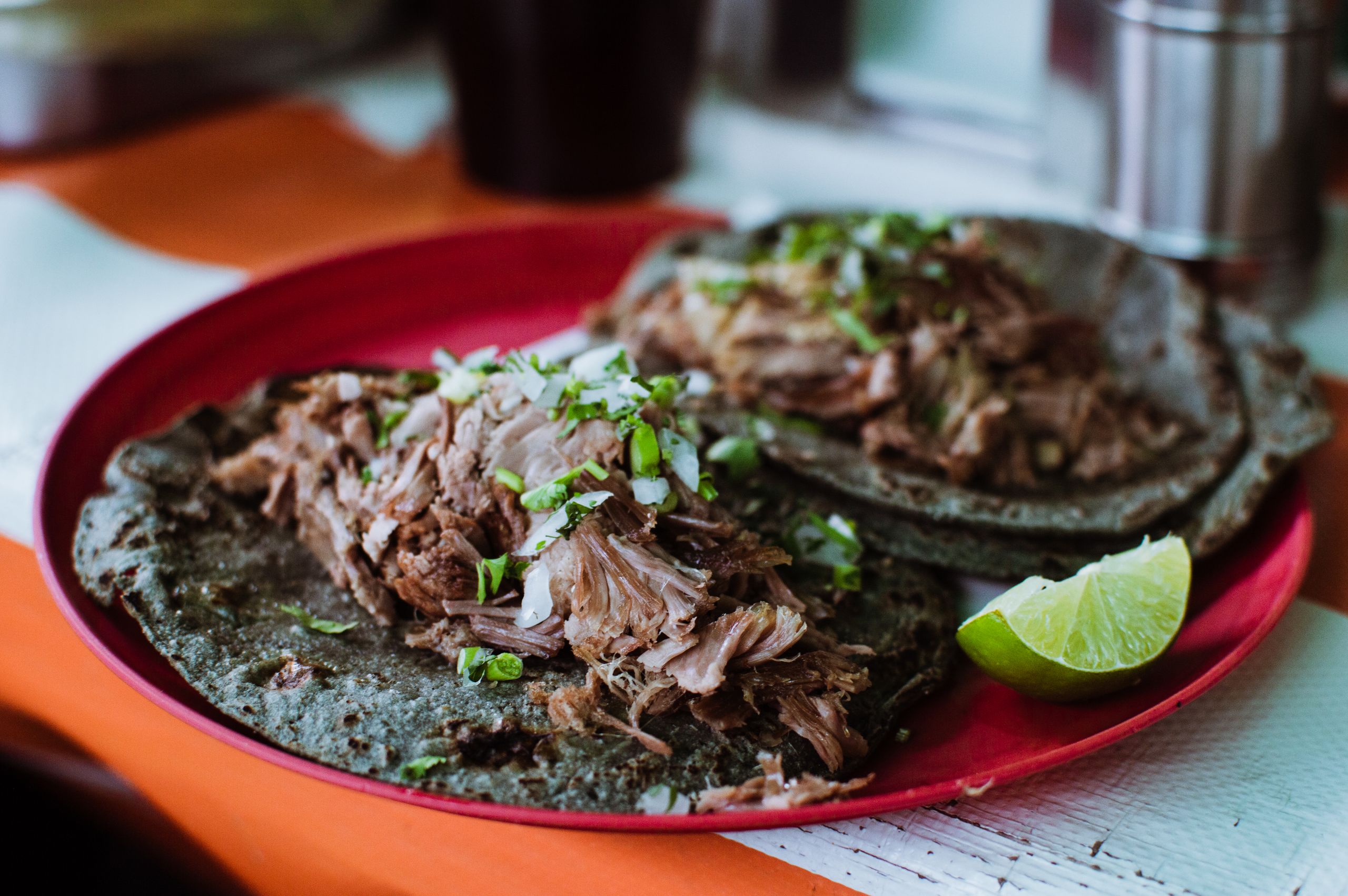
Michoacán-Style Carnitas
Carnitas adds an important distinction: not every Mexican dish served in San Antonio needs to be relabeled Tex-Mex.
Carnitas Don Raúl traces its family business to a corner of Madero Avenue in Morelia, Michoacán, in 1991. Its San Antonio operation carries that regional identity into the city’s restaurant landscape.
The business’s preparation also maintains connections to Michoacán through traditional copper cooking vessels and the use of different pork cuts.
Here, the relationship is less about creating a Texas variation than about preserving a regional Mexican reference point in another place.
That belongs in San Antonio’s story, too. A city’s food identity can grow as cooks arrive and stay, staying true to where their traditions began.
Different Dishes, Different Histories
These seven dishes do not represent a single kind of influence.
Puffy tacos highlight a distinctive local preparation. Tamales emphasize continuity and shared work. Carnitas maintains a regional Mexican connection, while chili recalls the women whose businesses helped bring a dish to a wider public.
Breakfast tacos, barbacoa and carne guisada add their own combinations, customs and cooking methods.
The common thread is people: the cooks, families and food businesses deciding what to preserve, what to adapt and what to serve next. Exploring San Antonio through these dishes means paying attention not only to what arrives on the plate, but also to the work and traditions that brought it there.