The McRib has a return date. Whether it is coming to your neighborhood McDonald’s depends on where you live.
McDonald’s is bringing the barbecue pork sandwich back beginning October 27, 2026, at select U.S. restaurants. Participating markets include Chicago, Miami, Los Angeles, Dallas, Atlanta, Philadelphia, Cleveland, Seattle, and St. Louis. This is a regional release, not a nationwide rollout, and availability varies by restaurant.
For customers who remember the sandwich from earlier appearances, the announcement offers another opportunity to revisit a familiar order. For newcomers, it is a chance to try a menu item with a history stretching back more than four decades.
The comeback also brings a practical question: where can customers actually find it?
The Return Begins October 27
McDonald’s marketing executive Guillaume Huin announced the comeback in an October 22 post on X, saying the McRib would return “as early as 10/27” at select McDonald’s restaurants across the United States.
Tuesday, October 27, is therefore the announced start date, not a promise of a simultaneous launch at every participating location.
The sandwich will be offered for a limited time. For customers planning a visit, the key details are the current menu and availability at their chosen restaurant, not the timing of a previous McRib promotion.
This year’s announcement arrives ahead of the sandwich’s recent November appearances. USA TODAY reported that the McRib returned nationwide in late November 2024 and to some markets in mid-November 2025. The 2026 release moves the announced return into October while keeping the rollout regional.
Which Markets Are Included?
USA TODAY’s reporting on the return identifies Los Angeles, Chicago, Miami, Atlanta, Philadelphia, Dallas, Cleveland, Seattle, and St. Louis. McDonald’s confirmed the comeback to the publication.
The list gives customers in those areas a starting point for checking nearby restaurants. It also limits the return to several parts of the country, rather than making it a universal addition to the chain’s U.S. menu.
For someone in a participating market, the most useful next step is checking the location they normally visit. If someone is considering a longer drive, they’ll want to confirm the destination before setting out.
The important local detail is the restaurant itself. Including a city helps narrow the search, but the menu at a specific address determines whether you can actually visit for the sandwich.
What Comes on the McRib?
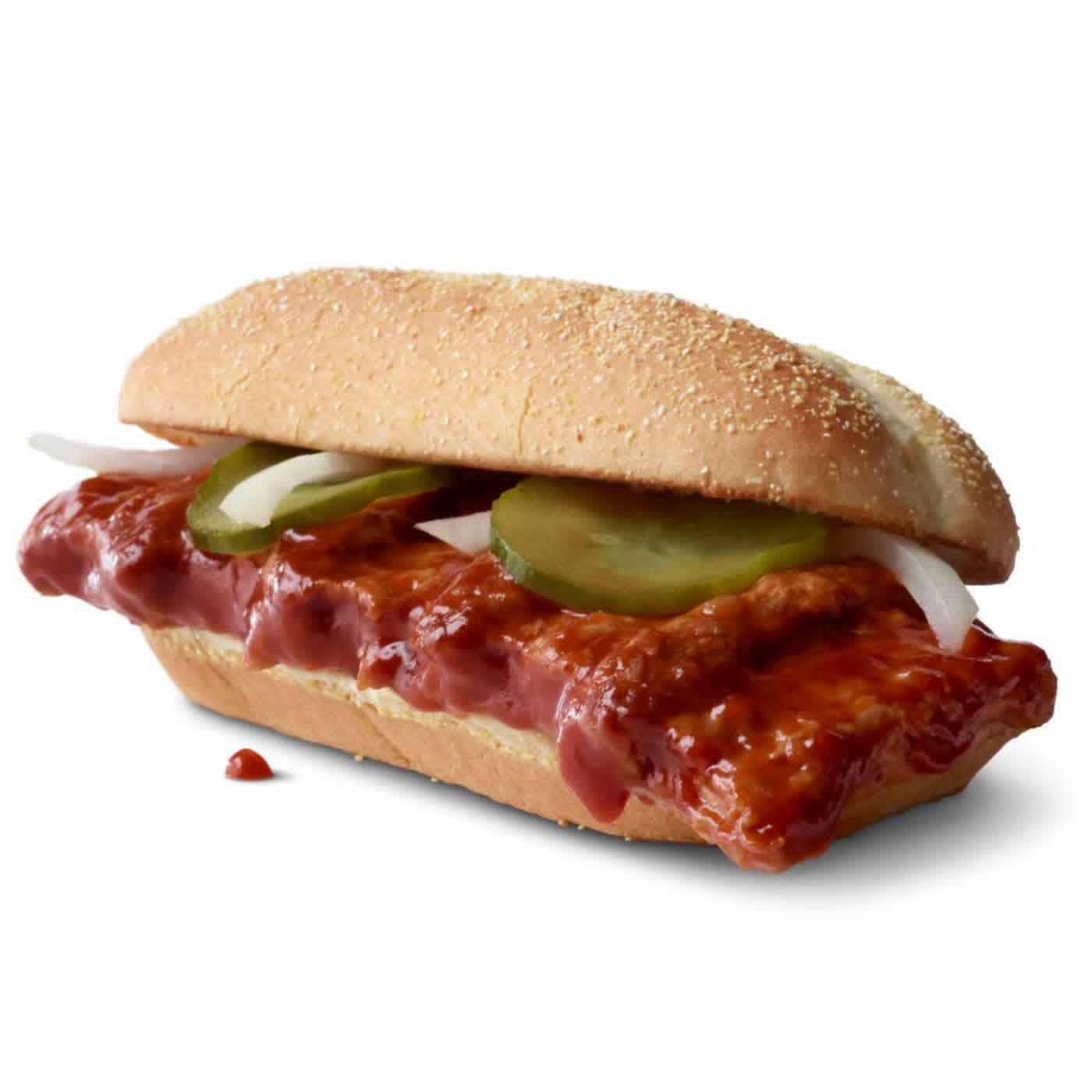
According to McDonald’s official product description, the standard McRib combines seasoned boneless pork dipped in barbecue sauce with slivered onions and pickles, served on a toasted homestyle bun.
That short ingredient list offers a straightforward introduction to a sandwich with an unusually long-running public profile.
The pork and barbecue sauce form the center of the build. Onions and pickles complete the topping combination, with the toasted bun holding the sandwich together. Despite its name, the McRib is a boneless pork sandwich, not a serving of bone-in ribs.
For first-time customers, those details are more useful than the sandwich’s reputation alone. They explain what the order contains without asking readers to share the enthusiasm surrounding its return.
For returning customers, the same description identifies the familiar combination behind the announcement. The news offers another chance to order that sandwich, not an entirely new menu concept.
Related: McDonald’s Expands Protein-Focused Menu as Consumer Preferences Change
A Sandwich With More Than Four Decades of History
The McRib’s story began in 1981. In his announcement, Huin credited René Arend, McDonald’s first executive chef, with its creation.
That places the sandwich’s origins roughly 45 years before this latest release. Its history stretches well beyond the current announcement, giving the comeback a different character from a conventional new-product launch.
A newly introduced sandwich needs an explanation of what it is. A returning item also brings the question of what customers remember about it.
For the McRib, those memories may come from different releases. One customer’s reference point might be the nationwide 2024 return, while another encountered it during a regional appearance. Recent distribution changes mean those experiences don’t necessarily guide this year’s availability.
The timeline helps explain why a simple return announcement can generate several questions at once. Customers want the date, but they also need to know whether the release resembles the one they remember.
Customers Have Built a Way to Track It
The McRib’s following includes people who look beyond their usual restaurant for signs of its return.
A fan-run McRib Locator website tracks reported sightings, and USA TODAY noted reports of the sandwich appearing ahead of the announced October 27 release.
That effort supplies a human-interest detail without requiring sweeping claims about the sandwich’s popularity. Customers share where they believe it has arrived, turning a menu search into a small collective project.
Reported sightings can offer a lead, particularly for someone deciding which location to check. They are not a substitute for confirming the current menu at the restaurant a customer intends to visit.
This distinction is especially useful in the days leading up to a return. Information from one location may be accurate for that restaurant but not for another nearby.
How to Check Before Making a Trip
Customers can use the McDonald’s app to see whether the McRib appears on the menu at a nearby location. Selecting the intended restaurant makes that check more useful than relying on a general announcement about the sandwich’s return.
Before making a special trip, confirm availability and pricing with the restaurant.
That simple step keeps the focus on the information customers need most. An announcement explains the broader release; the local menu helps determine whether to change lunch plans.
For now, the return brings together a familiar sandwich, a new date, and a location-dependent opportunity to order it. Longtime customers can revisit something they remember, while first-time customers can approach it without needing to adopt anyone else’s nostalgia.
When a familiar menu item returns after time away, what makes the occasion worth sharing: the food itself, the memories attached to it, or the chance to start a new tradition?