Winter cooking has a way of making the pantry feel like the most important corner of the kitchen. As evenings grow colder and dinner calls for something warm and comforting, a few ordinary cans can suddenly become the start of a wonderful meal.
And those little cans can wait patiently for their moment. According to the U.S. Department of Agriculture, properly stored canned tomatoes generally retain their best quality for 12 to 18 months, while many other commercially canned vegetables have a recommended quality window of two to five years.
That doesn’t mean canned vegetables are always cheaper than fresh or frozen produce. Their real appeal lies in convenience, simple preparation, and turning familiar ingredients into something delicious.
Here are nine canned vegetables worth keeping on hand for winter cooking.
Canned Tomatoes
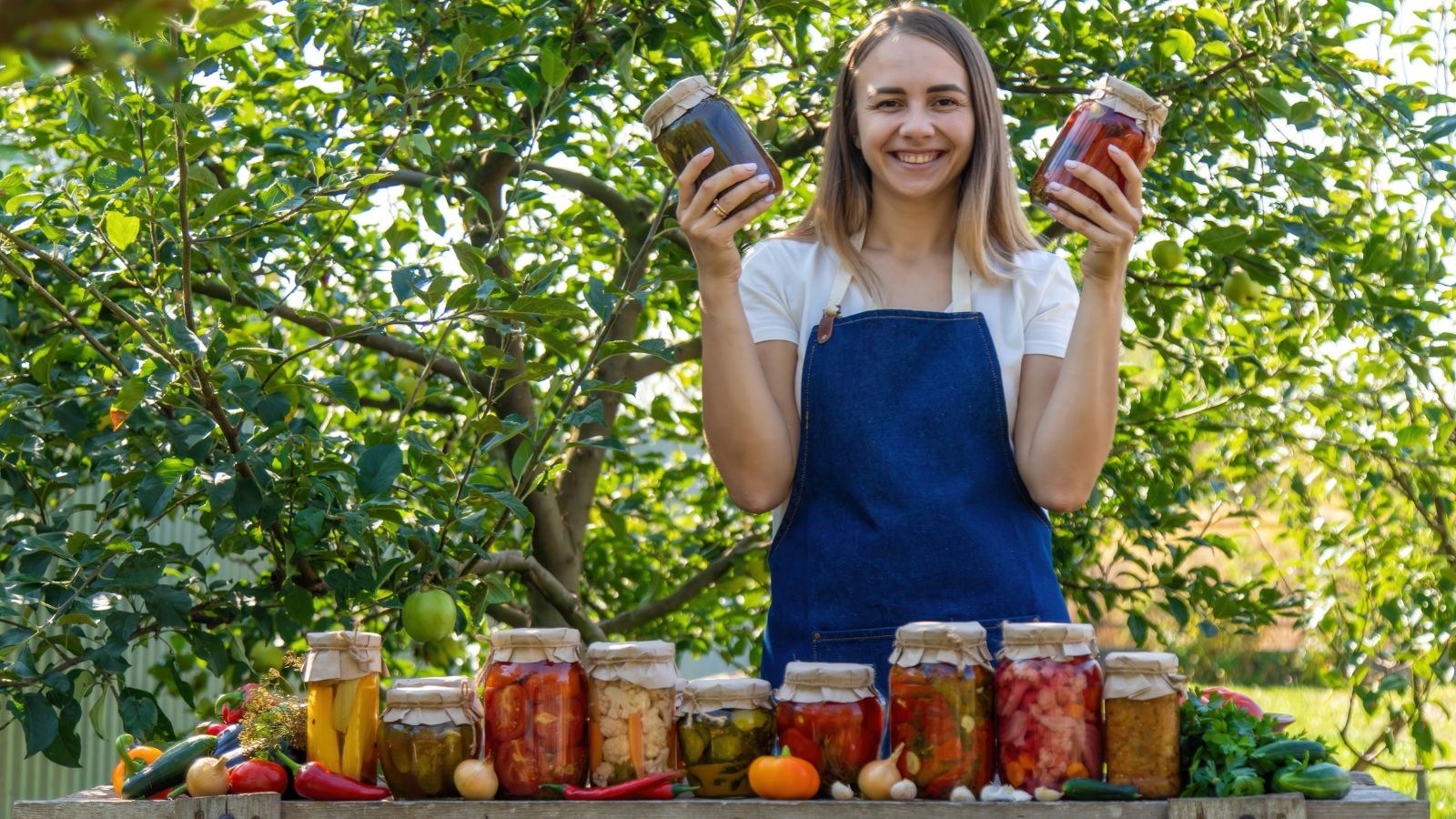
Canned tomatoes can make an almost-empty refrigerator feel a little less disappointing. One can can become the foundation of a steaming pot of chili, while another can go into pasta sauce or a comforting winter stew.
Hunt’s No Salt Added Diced Tomatoes come in 14.5-ounce cans and are often used for soups, stews, chili, and Italian or Mexican dishes. This pantry staple’s beauty is its flexibility. You can build different meals around the same basic ingredient without buying a separate prepared sauce for every recipe.
The USDA classifies tomatoes as high-acid canned foods, with a recommended best-quality storage period of about 12 to 18 months.
Plain Pumpkin Purée
Plain pumpkin purée deserves a place in the pantry long after the last pumpkin pie has disappeared.
Libby’s 100% Pure Pumpkin contains exactly one listed ingredient: pumpkin. The company offers a 15-ounce can and suggests using the purée in soups, pasta, curries, oatmeal, and baked goods. That makes it useful for both sweet and savory winter cooking. A spoonful can bring pumpkin flavor to a dish without requiring you to prepare a fresh pumpkin.
But pay attention to the label. Libby’s Easy Pumpkin Pie Mix is a different product containing sugar, spices, and other ingredients. For savory recipes, plain purée is the more straightforward starting point.
Whole-Kernel Corn
Whole-kernel corn is a cheerful pantry ingredient that can add a little color to a gray winter evening.
Del Monte’s No Salt Added Corn comes in a 15.25-ounce can containing only corn and water. The manufacturer lists approximately 3½ half-cup servings per can. Its uncomplicated formulation leaves plenty of room for your own seasonings. You might stir it into a casserole, add it to a skillet dish, or serve it alongside another winter favorite.
Remember that whole-kernel corn isn’t the same as cream-style or seasoned corn. Check which preparation your recipe actually requires before opening the can.
Green Beans
Canned green beans may not attract much attention on the grocery shelf, but they can make an ordinary dinner feel complete.
Del Monte’s No Salt Added Cut Green Beans come in a 14.5-ounce can, with green beans and water listed as the ingredients. They’re a convenient option when you want a simple vegetable side without washing, trimming, or cutting fresh beans.
You can season them to match the rest of the meal instead of starting with a heavily flavored product. Del Monte also sells French-style, reduced-sodium, and seasoned versions. Those aren’t identical to the plain cut beans, so compare the labels before buying.
Related: What Food Should You Stock Up on for an Emergency? Start With These Essentials
Sweet Peas
Canned peas have a familiar charm, especially when they go into casseroles, soups, or simple side dishes.
Del Monte’s regular Sweet Peas come in a 15-ounce can and yield about 3½ servings. According to the manufacturer’s product information, the ingredients are peas, water, sugar, and sea salt. That ingredient list is worth noticing. A product called sweet peas doesn’t necessarily get all its sweetness from the vegetables themselves.
Del Monte also offers other pea formulations, including a version marketed as Low Sodium Sweet Peas. For winter cooking, choose the version that suits your recipe instead of assuming every can of peas tastes or performs exactly alike.
Sliced Carrots
Canned sliced carrots offer a small convenience that becomes especially welcome when dinner already involves several other ingredients.
Del Monte’s 14.5-ounce sliced carrots contain carrots, water, salt, and calcium chloride. The manufacturer recommends them for soups and side dishes. Because the carrots are already sliced, you can skip an entire prep step. That’s particularly appealing when you’re assembling a stew or need another vegetable for the dinner table.
These are plain canned carrots, not a prepared glazed-carrot dish. Their simple formulation lets you decide whether the finished recipe needs butter, herbs, or other seasonings. No verified comparison shows exactly how many minutes they’ll save, but the slicing is already done.
Canned Potatoes
Canned potatoes might be one of the more overlooked conveniences in the vegetable aisle.
Del Monte’s Sliced New Potatoes come in a 14.5-ounce can. They’re already peeled and sliced, with water, sea salt, calcium chloride, and EDTA listed among the ingredients. That eliminates the peeling and slicing involved in preparing fresh potatoes, making them an interesting starting point for a skillet dish or soup.
But their preparation matters. Whole, diced, and sliced canned potatoes are different formats, and none should automatically replace an unspecified amount of raw potatoes in every recipe. Choose the form that fits what you’re cooking, and let the can handle some of the preparation.
Spinach
Canned spinach doesn’t need to be the star of a dish to earn its shelf space. Sometimes its greatest appeal is how easily it can join ingredients already simmering or baking.
A USDA canned-spinach fact sheet, published in October 2020, explains that canned spinach is ready to eat and that the washing and chopping have already been completed. The agency suggests using it in soups, casseroles, spinach dips, lasagna, and egg dishes. That gives a single pantry ingredient several possible assignments when fresh greens aren’t available.
The USDA also recommends storing unopened cans in a cool, clean, dry place and refrigerating any remaining spinach after opening in a tightly covered, nonmetal container.
Sliced Beets
Canned beets bring a different personality to winter cooking, with their deep color and distinctive earthy flavor.
Del Monte’s Sliced Beets come in a 14.5-ounce can containing beets, water, sugar, and sea salt. The manufacturer suggests serving them as a side dish or adding them to salads. They’re an interesting change from the familiar rotation of corn, peas, and green beans.
One shopping distinction is worth remembering. Del Monte’s pickled beets are a separate preparation made with vinegar, cane sugar, and other flavoring ingredients. Regular sliced beets and pickled beets won’t produce identical results in every dish, so check the label before deciding which belongs in your winter pantry.
A Well-Stocked Winter Pantry Starts With What You’ll Actually Use
The pleasure of a thoughtful pantry isn’t having the most cans. It’s knowing that the ingredients waiting on your shelves can become meals you genuinely enjoy.
USDA guidance recommends keeping commercially canned foods in a cool, clean, dry place. Its 12-to-18-month and two-to-five-year storage recommendations refer to best quality under suitable conditions, not universal expiration deadlines. Damaged cans also need separate attention, regardless of the printed date.
Buy reasonable quantities, check the exact product labels, and use older supplies before newer purchases. After all, the best winter pantry isn’t the one packed from floor to ceiling. It’s the one that makes an ordinary evening’s dinner a little easier.