Remember when going out to eat meant settling in, taking your time, and letting the restaurant handle everything? Fresh bread appeared before you ordered, servers handled the check, and some restaurants offered menus so enormous that choosing dinner felt like a project.
Those little touches made dining out special. But behind the scenes, they also required considerable preparation, staffing, and money.
According to the National Restaurant Association, payroll and benefits accounted for a median 36.5% of sales at surveyed full-service restaurants in 2024. With labor costs taking such a large share of revenue, some restaurants are reconsidering traditions that demand extra time.
Not every old-fashioned dining experience is disappearing. Some are becoming optional, others are being simplified, and a few are making surprising comebacks. Here are ten restaurant experiences that show how dining is changing.
The Complimentary Bread Basket
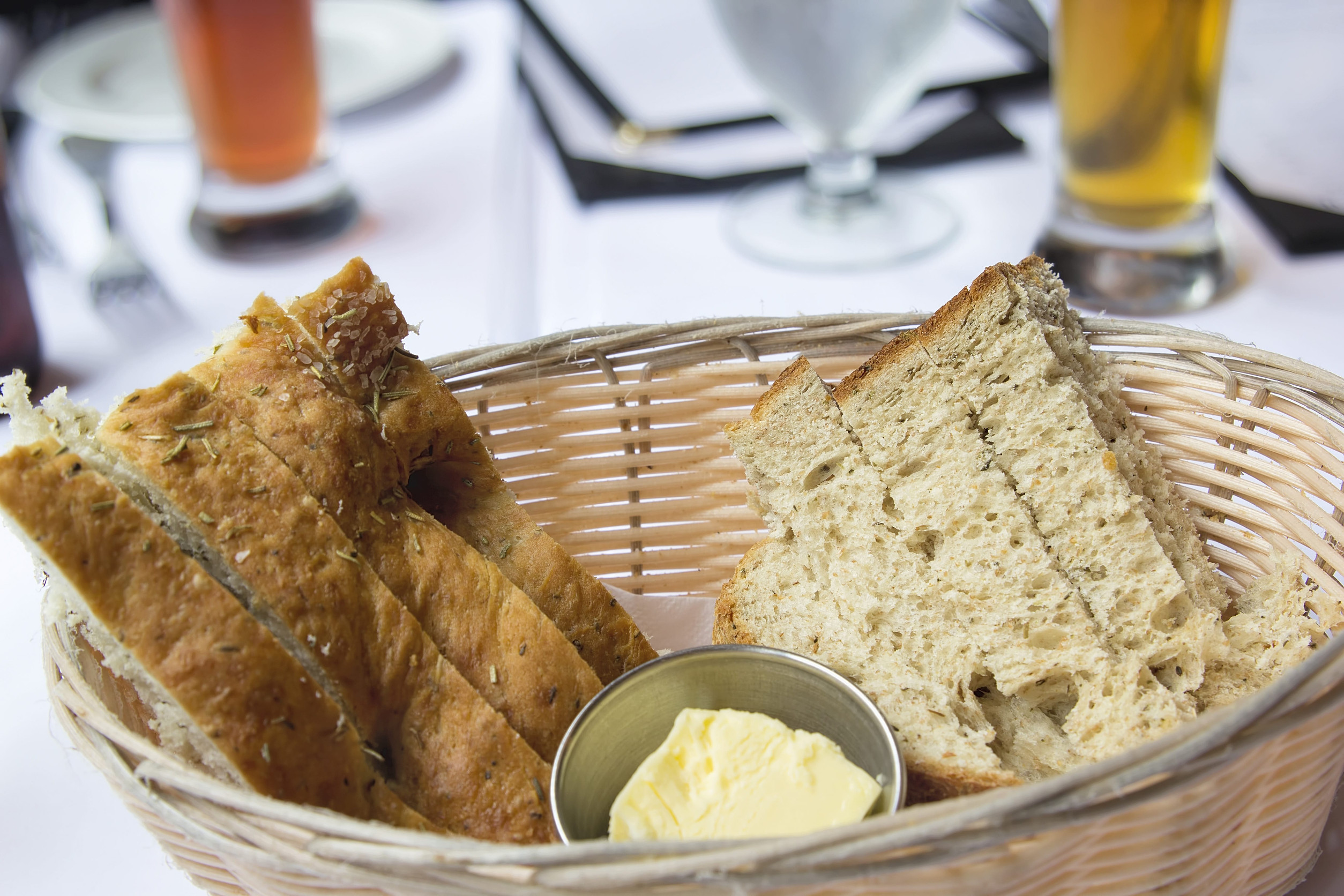
There was something comforting about sitting down and being served a basket of warm bread before you even looked at the menu. It felt like a small welcome from the kitchen.
Unfortunately, that generous gesture isn’t always free anymore.
At Antico Nuovo in Los Angeles, focaccia that was originally complimentary eventually became a paid menu item. Chef-owner Chad Colby told Food & Wine in May 2025 that senior chefs spend more than three hours preparing the bread daily.
Denver’s Tavernetta also transitioned to paid bread service.
The bread hasn’t disappeared. You’re simply more likely to see the work behind it reflected in the bill.
The Restaurant Menu With Endless Choices
Remember opening a restaurant menu and wondering how one kitchen could possibly prepare everything?
Some casual-dining chains are moving away from that approach.
In 2017, Chili’s announced plans to significantly reduce its menu, focusing on better food preparation and faster service. Additional reductions were reported in 2025.
Bloomin’ Brands has also trimmed menus, particularly targeting complicated dishes that require additional kitchen labor.
The idea is straightforward: fewer recipes can mean simpler preparation and more consistent execution.
However, large menus aren’t disappearing everywhere. Industry reporting actually documented menu growth across several restaurant categories in 2024.
Desserts That Require Their Own Specialist
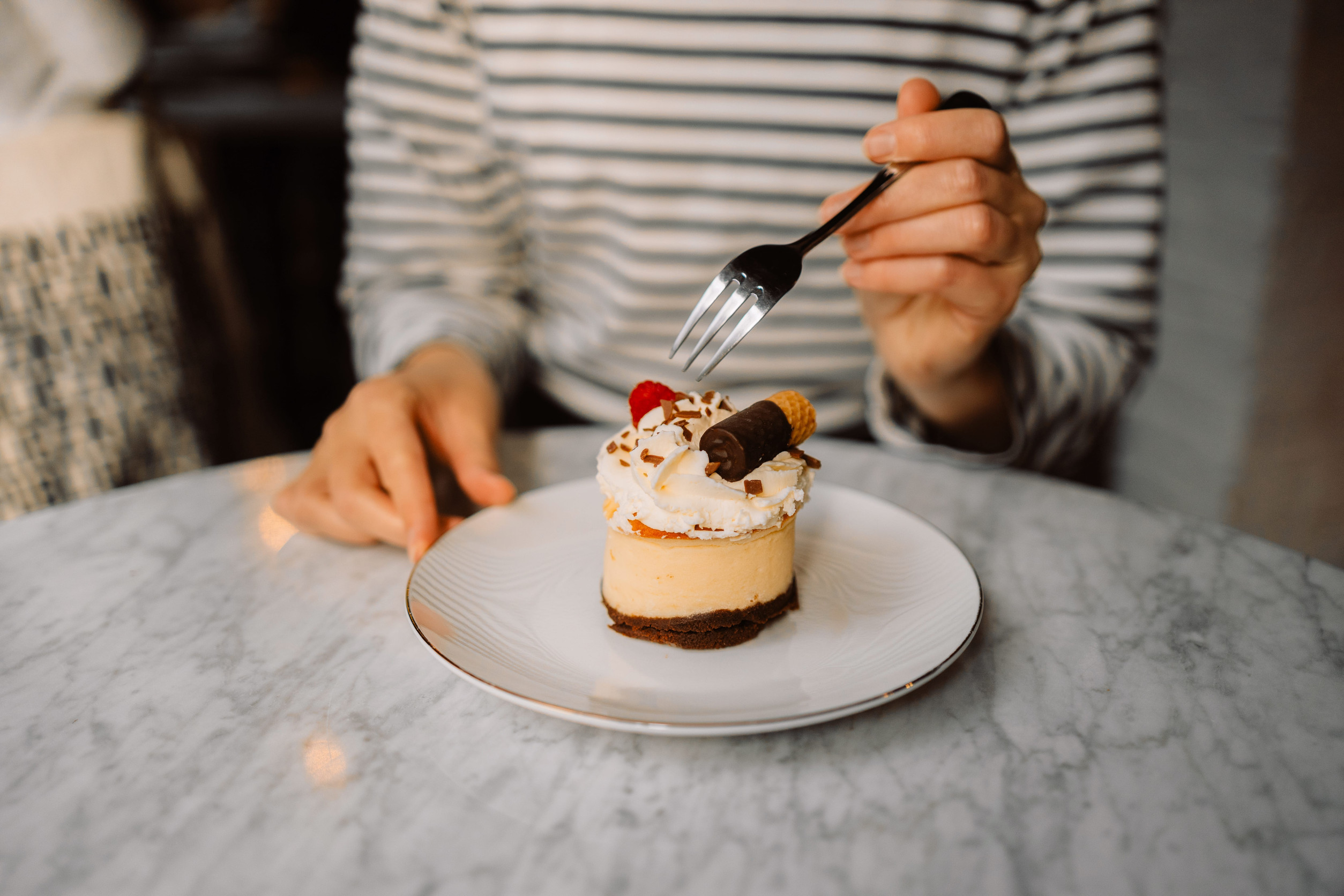
A beautifully plated restaurant dessert can look effortless when it reaches your table.
Behind that presentation, however, hours of preparation may be involved.
Traditional pastry departments handle everything from baking and chocolate work to delicate finishing touches.
According to Restaurant Business, some elaborate restaurant desserts previously required seven separate finishing steps.
As staffing and production costs climb, some restaurant groups have simplified their desserts or centralized pastry operations.
Elaborate desserts aren’t extinct, but some establishments find it harder to justify the specialist responsible for making them.
The Server’s Final Trip With Your Credit Card
You finish eating, request the check, and wait.
Then you hand over your credit card and wait again.
That familiar restaurant routine is changing.
In 2024, Chili’s deployed Ziosk pay-at-table technology across more than 1,100 company-owned restaurants.
Customers can handle payments, split checks, and use certain loyalty features without waiting for a server to return.
For anyone who has finished dinner but spent another fifteen minutes trying to settle the bill, the appeal is obvious.
The traditional payment process still exists, but it is no longer the only option.
The Dinner That Lasts the Entire Evening
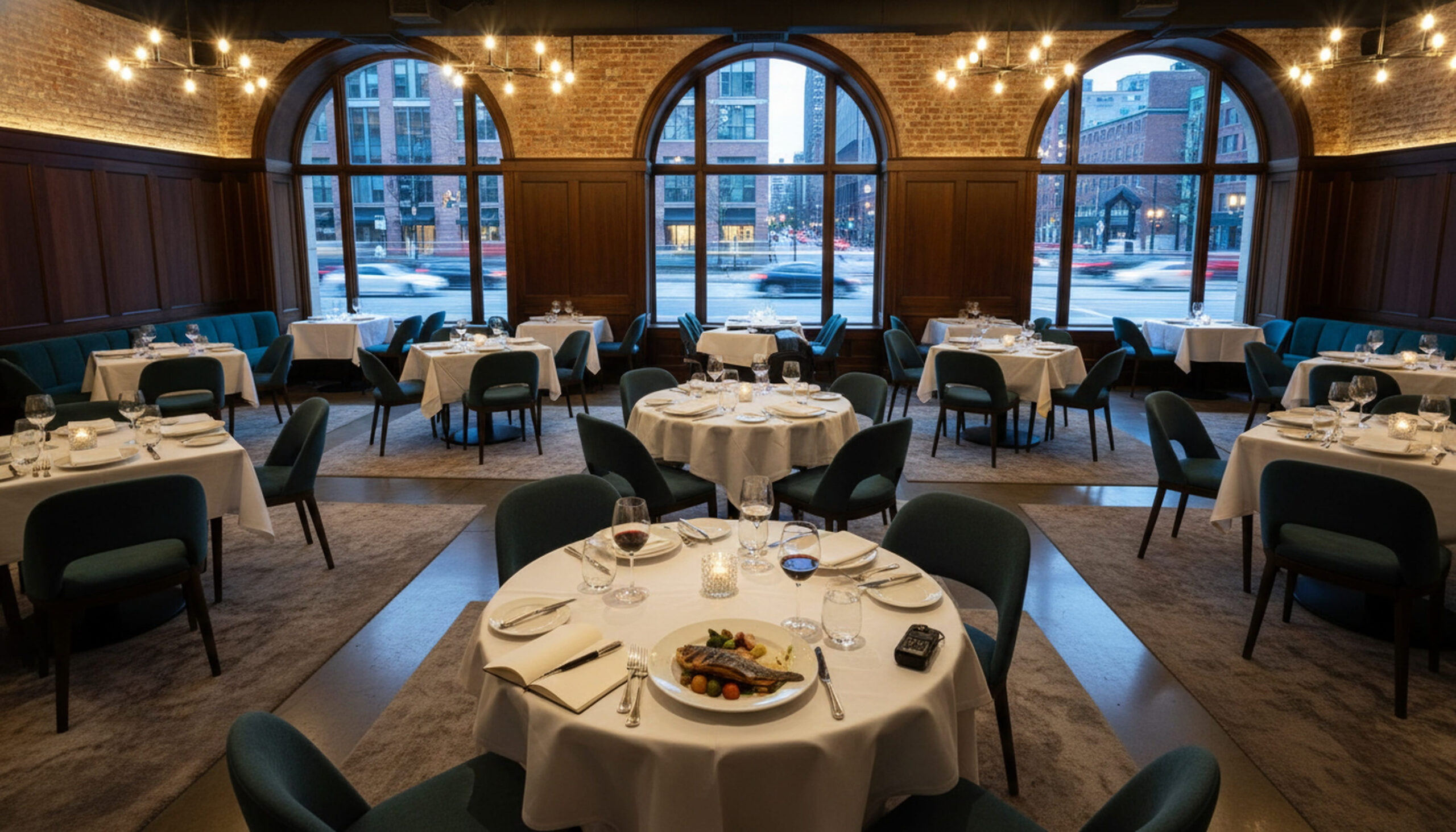
Some fine-dining restaurants built their reputations around elaborate tasting menus that could occupy three or four hours.
For special occasions, that experience can be wonderful. For other diners, it’s a substantial commitment.
In January 2024, Manhattan restaurant bōm reduced its tasting menu from 13 courses to 10.
Jōji, another Manhattan restaurant, shortened its menu from 21 courses to 19 that year.
Other establishments introduced abbreviated options alongside their longer experiences.
The goal isn’t necessarily to rush guests. It’s to give them more control over how much of their evening dinner occupies.
The Seven-Step Dessert Presentation
Those elaborate pastry departments also created another memorable experience: desserts assembled through multiple finishing stages shortly before reaching the table.
Each layer, garnish, sauce, and decorative detail could require additional attention.
Mai Nguyen, executive pastry chef at Boston’s COJE Management Group, explained in a 2023 Restaurant Business interview that plated desserts were becoming simpler and faster to execute.
The group had also eliminated a dessert-plating position.
That doesn’t mean restaurants have stopped caring about presentation.
Instead, some kitchens are finding ways to serve attractive desserts without requiring so many individual production steps.
The Diner That Never Closed
There was a certain magic to finding a restaurant serving pancakes at 3 a.m.
Whether you were leaving work late or returning from a night out, the all-night diner was a dependable destination.
But maintaining those hours requires employees throughout the night.
Yelp reported in June 2025 that 24-hour operations declined by 11% between January 2020 and January 2025 among restaurants that operated continuously on its platform during that period.
Denny’s also experienced reductions in overnight availability, although the company worked to restore 24-hour service.
The tradition survives, but finding an open dining room after midnight isn’t always as easy as it once was.
The Leisurely Weekday Restaurant Lunch
Lunch used to be a chance to sit down, order multiple courses, and take a proper break from work.
For some restaurants, that schedule has become difficult to maintain.
Baltimore restaurant Josefina recently discontinued lunch service after finding that nearby workers struggled to make time for its multicourse experience.
Other local establishments have cited inconsistent lunchtime demand and labor expenses.
Of course, plenty of restaurants still serve sit-down lunches.
But this Baltimore example illustrates how difficult it can be to sustain an experience that requires both restaurant staff and customers to dedicate substantial time during the workday.
Bread and Buns Made Entirely In-House
Freshly baked bread is wonderful, but making every baked item from scratch requires considerably more than mixing dough.
There’s preparation, proofing, baking, cooling, and coordinating everything with the kitchen’s daily schedule.
At Denver’s Guard and Grace, pastry chef Ryan Walker explained that producing about 200 burger buns in-house wasn’t practical given the time, staffing, and space available.
Instead, the restaurant outsourced some baked products.
For customers, the difference might not always be obvious.
For the kitchen, outsourcing certain items can free employees to concentrate on dishes that define the restaurant’s identity.
Related;6 Everyday Foods You Didn’t Know Were Invented by the U.S. Military
The Tasting Menu With No Shorter Alternative
For years, choosing an ambitious tasting-menu restaurant meant committing to the entire experience, however long.
Now, some establishments let diners choose a shorter journey.
In 2024, Oregon restaurant ōkta introduced a five- to six-course option alongside its existing 13-course menu.
Chicago’s Esmé also experimented with a shorter dining experience through Bar Esmé.
These alternatives can make special-occasion dining more accessible to customers who don’t want an extended evening.
Importantly, shorter menus aren’t necessarily replacing longer ones.
They’re simply giving diners another way to enjoy the restaurant.
Related:The Transformation of Six Humble Foods
Is Restaurant Dining Losing Its Personal Touch?
Not necessarily.
While certain traditions are being streamlined, other time-consuming experiences are enjoying renewed attention.
Eater reporting in 2025 and Resy in February 2026 highlighted restaurants bringing back tableside carving, dessert carts, cheese presentations, and other theatrical touches.
That suggests something interesting about dining’s future.
Restaurants aren’t abandoning elaborate service altogether. They’re becoming more selective about where they invest their time.
And perhaps that’s the biggest change of all: the little extras that once came automatically may increasingly become the special experiences customers deliberately choose.
Other Posts You May Like
- These 10 Restaurants Were Top Picks for Baby Boomers in the 1980s, and Millennials Have Never Heard of Them
- 6 Tiny Restaurant Touches That Are Quietly Winning Over Diners and Making Every Visit Feel Personal