Kroger is betting that better value, fresher food, and a simpler shopping experience can help it win back customers who are watching every dollar.
Under CEO Greg Foran, Kroger is making a major shift, announcing a new strategy on October 20, 2026, focused on strengthening its core grocery business. The supermarket giant faces growing pressure from Walmart, Aldi, and other competitors offering attractive prices while shoppers remain cautious about spending.
Rather than trying to do everything at once, Kroger wants to concentrate on what matters most to customers: affordable groceries, appealing fresh food, convenient shopping, and dependable service. The company outlined its plans in an official investor announcement.
Lower Prices Could Become a Bigger Priority
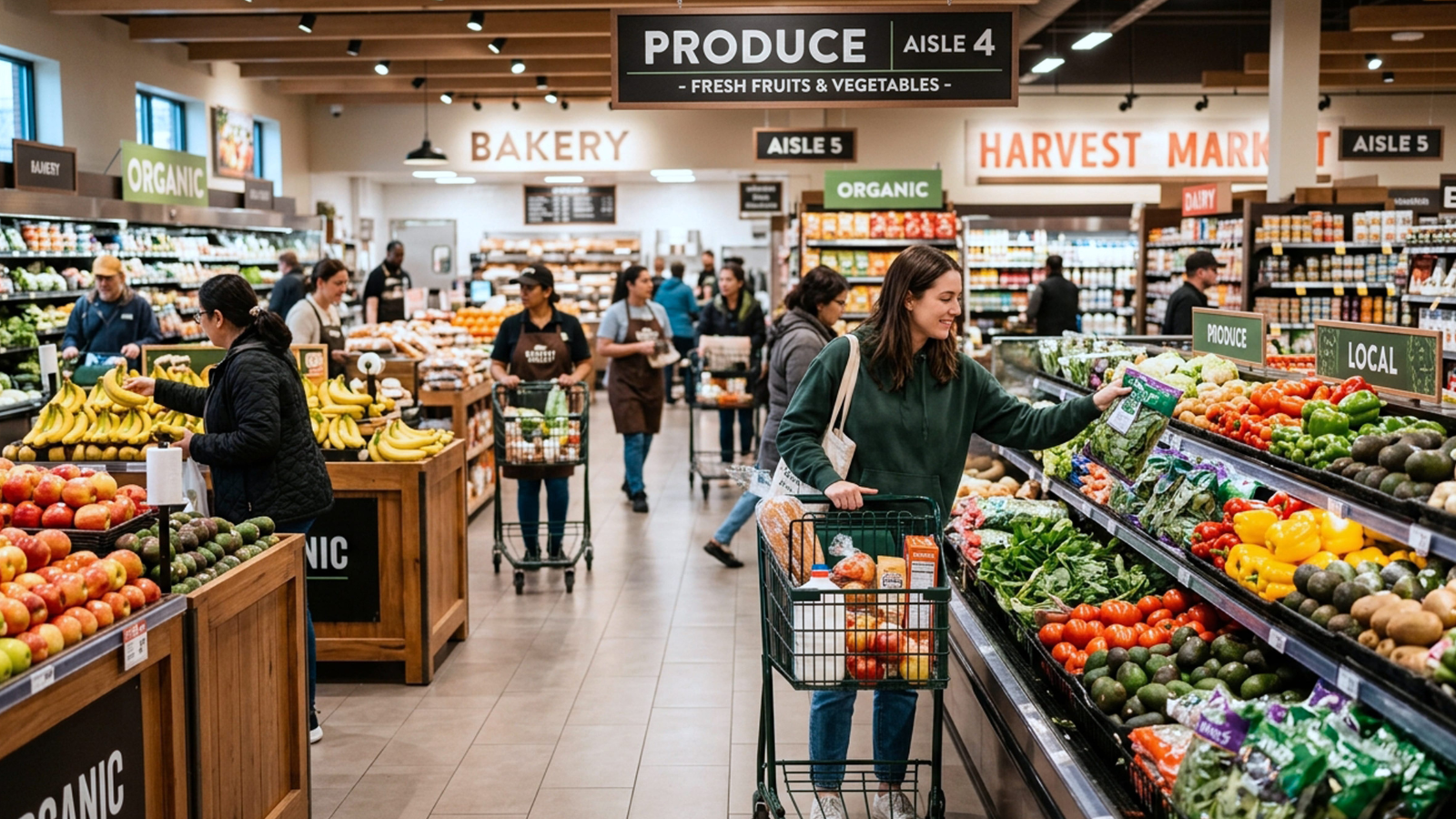
When grocery budgets are tight, shoppers notice the price of everyday essentials long before they notice a corporate strategy.
Kroger’s plan emphasizes delivering more value while investing in areas where it believes the business can grow. That matters because customers can easily compare prices across supermarkets, discount stores, and online retailers.
Walmart has been competing aggressively on price, while Aldi attracts budget-conscious shoppers with a smaller selection of often inexpensive products. Kroger must persuade customers that its combination of selection, convenience, fresh food, and loyalty rewards is worth choosing.
The company plans to save through more direct sourcing, disciplined purchasing, and simpler operations. Ideally, those efficiencies will help fund better value for customers rather than merely improving the company’s bottom line. For shoppers, the real test will be whether the changes show up on receipts. A strategy promising value means little if families still feel that their regular grocery basket costs too much.
Fresh Food and Ready-Made Meals Take Center Stage
A supermarket can win customers with a good price, but appealing food gives them another reason to return.
Kroger plans to invest in fresh products, prepared meals, and its own private-label brands. These areas offer opportunities to attract customers who want convenient dinners without paying restaurant prices.
Prepared foods matter especially for busy households. A ready-made meal, rotisserie chicken, or convenient side dish can solve the familiar problem of getting dinner on the table after a long day.
Kroger also wants to expand its own-brand products and strengthen its Boost membership program. Private-label products can provide shoppers with lower-cost alternatives, while membership benefits may encourage more frequent purchases.
For practical ways to stretch a grocery budget, Uncle Jo readers can also explore these The Surprising Superfoods That Boost Energy and Mood. Having versatile ingredients at home can make it easier to turn affordable groceries into satisfying meals.
Related: Kroger Strikes $1.65B Deal for Giant Eagle in Grocery Power Shift Across 5 States
Digital Shopping and Artificial Intelligence Will Play a Role
The grocery store of the future may rely just as much on smart technology as on well-stocked shelves.
Kroger wants to grow online grocery sales and retail media revenue, which comes from advertising opportunities connected to its retail business. Digital ordering can make shopping more convenient, particularly for customers who prefer delivery or pickup.
The company also plans to use technology and artificial intelligence to simplify operations. Better forecasting, purchasing, and inventory management could reduce waste and ensure products are available when customers need them.
However, technology is only useful when it improves the shopping experience. Customers still expect accurate orders, reasonable fees, fresh products, and helpful employees when something goes wrong.
Corporate Cuts Raise Questions
Making a business more efficient can strengthen its finances, but the human consequences deserve attention too.
Kroger has announced plans to eliminate approximately 3,000 corporate positions over three years as it reorganizes operations and increases its use of AI. The Associated Press has reported on the workforce reductions and the company’s broader efficiency push.
Kroger says simplifying its structure will help redirect resources toward customers and store operations. Still, employees facing job losses will experience the changes very differently from shoppers hoping for lower prices.
The company must demonstrate that cutting costs will improve service rather than leave stores understaffed or make everyday shopping more frustrating.
What Happens Next?
Kroger’s biggest challenge is turning its promises into improvements shoppers can actually see.
The company has set a target of approximately 3% comparable sales growth in 2029, excluding fuel and pharmacy. That goal gives investors a measurable benchmark, but customers will judge success through prices, product quality, convenience, and service.
Kroger is operating in a competitive market where shoppers can switch stores quickly when another retailer offers better value. Its renewed grocery focus could help it respond, but execution will matter more than announcements.
Ultimately, a successful turnaround should benefit both the business and the people filling their carts.
Would you shop at Kroger more often if it offered lower everyday prices and better fresh-food options, or do you already prefer another grocery store?